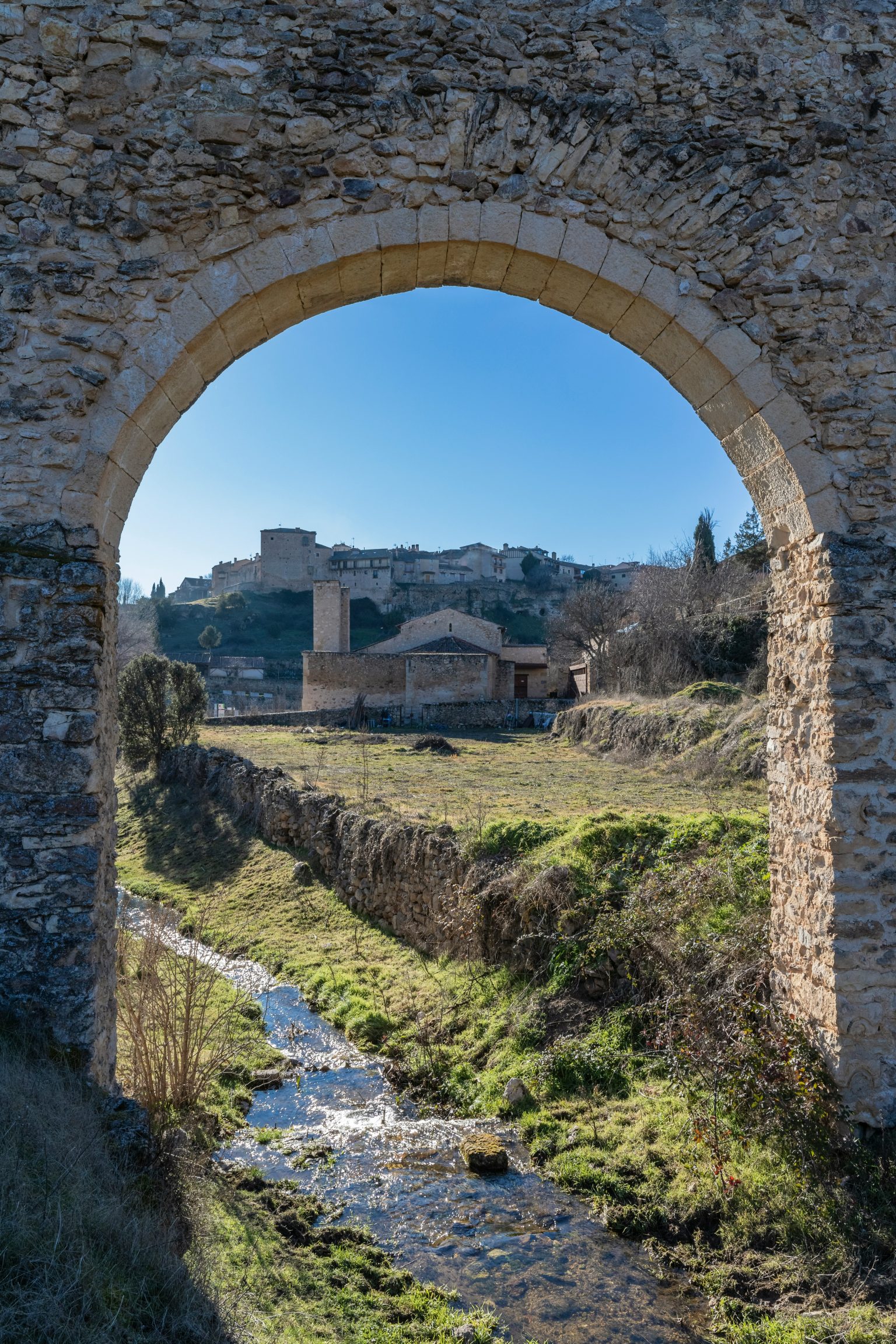

Across Europe, there are a handful of places where history feels unusually intact – towns that have escaped large-scale redevelopment and still reflect how life once looked centuries ago.
Spain has one of its own and it sits quietly in the hills of Segovia.
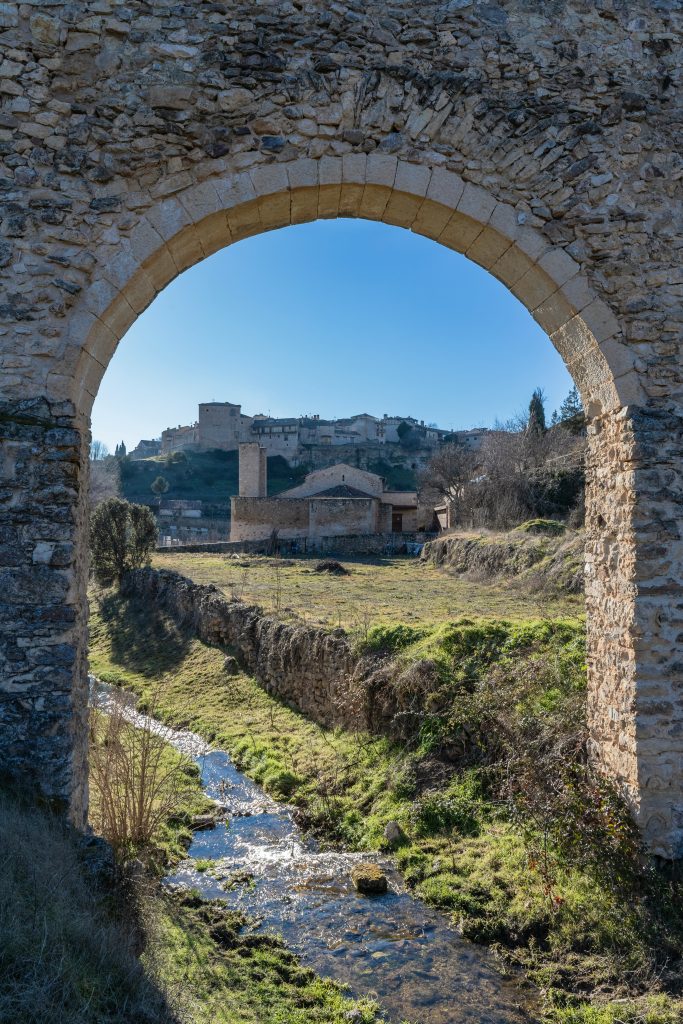
With a population of barely 300 residents, Pedraza is widely regarded as one of the best-preserved medieval villages in the world.
In 1951, it was officially protected as a Historic-Artistic Site – a designation that has helped preserve its layout, buildings and atmosphere almost untouched.
Located just over an hour and a half north of Madrid, Pedraza’s origins stretch back far beyond the Middle Ages. Archaeological evidence points to Roman, Muslim and even pre-Roman Celtiberian settlement, long before the stone village visible today took shape.
Stone streets, walls and a single entrance
What immediately sets Pedraza apart is its architectural unity. Cobbled streets, solid stone houses and thick defensive walls combine to create a setting that feels cinematic – and for good reason.
One of the village’s most distinctive features is its single medieval access point, the Puerta de la Villa, built in the 11th century.
It remains the only way into the walled town and is crowned with the coat of arms of the Velasco family, once among Castile’s most powerful lineages.
A castle with an unexpected interior
Overlooking the village is the Castillo de Pedraza, a formidable 13th-century fortress. While its exterior speaks of military power, its interior tells a different story: today it houses a museum dedicated to the painter Ignacio Zuloaga, who lived there in the early 20th century.
The castle’s survival is another reason Pedraza remains so visually intact — its defensive role shaped the town’s development for centuries.
Life centred on the Plaza Mayor
At the heart of the village lies the Plaza Mayor de Pedraza, still the social focal point today. Surrounded by traditional Castilian buildings, the square is home to the town hall, former noble residences and the Iglesia de San Juan Bautista, a Romanesque church dating from the 13th century.
Historically used for markets – and even bullfights – the square now hosts concerts, cultural events and artisan fairs. Many surrounding buildings have been converted into restaurants, making it the village’s gastronomic centre.
A prison that tells a darker story
Just inside the walls, near the main gate, stands the Cárcel de la Villa, a 13th-century structure that served as a prison from the 16th to the 19th centuries. Now a museum, it offers a stark look at medieval justice and daily life behind bars, with guided visits available most days of the week.
A favourite filming location
Pedraza’s authenticity has made it a popular backdrop for historical productions. It has appeared in films such as Campanadas a medianoche, directed by Orson Welles, and in the Spanish television series Isabel.
Unlike purpose-built sets, Pedraza needs little alteration as its streets already look medieval.
How to get there
From Madrid, the easiest route is via the A-1, covering around 130km in roughly 90 minutes under normal traffic conditions. An alternative is the A-6, though it is often busier.
From Segovia city, the drive takes about 45 minutes via the N-110. There are also bus services from Segovia for those without a car.