
Spain’s final Council of Ministers session of the year has failed to result in the approval of the beleaguered Housing Plan (Ley de Vivienda 2026-2030).
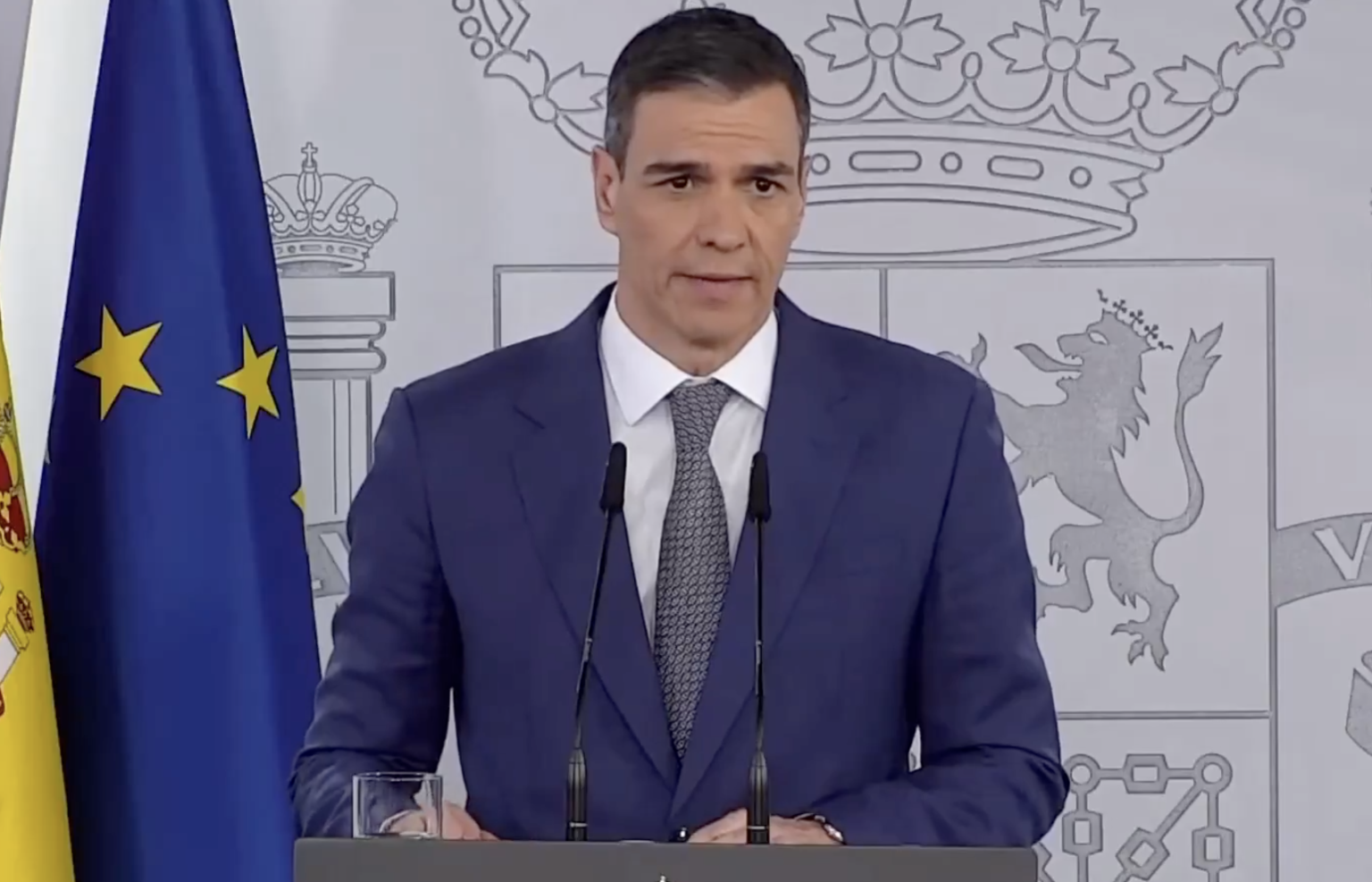
The council is the government’s primary decision-making body, which meets at Moncloa Palace to approve laws, budgets, and major policies, followed by a press conference detailing their decisions.
In the last meeting of the year today, it approved a wide-ranging package of social, transport and fiscal measures, including pension increases and the extension of the so-called social shield.
The decisions were announced by Elma Saiz, Minister for Inclusion, Social Security and Migration, who was making her first appearance as government spokesperson following the departure of Pilar Alegría. Below are some of the key takeaways.
Eviction ban extended through 2026
The government has extended the ban on evictions for vulnerable families without alternative housing throughout 2026.
The moratorium also:
- Prevents the cutting of electricity, gas or water supplies
- Extends the electricity social bonus
- Continues protections first introduced during the pandemic
The extension follows an agreement with the EH Bildu political party and marks yet another renewal of measures that were initially described as temporary.
The move has been sharply criticised by Asval, the Association of Rental Property Owners, which warned that the continued eviction ban erodes property rights and fuels legal insecurity.
Asval said the measure risks reducing rental supply further, at a time when availability is already at historic lows and repossession processes can take more than 20 months.
The organisation noted that similar moratoria were rolled back across much of Europe once the pandemic ended, and cited a ruling by the European Court of Human Rights, which found that prolonged eviction suspensions can violate both property rights and access to justice.
‘Neither landlords should act as a permanent social shield, nor should vulnerable families be sustained by temporary fixes that prolong instability,’ Asval said.
No housing plan – again
Despite repeated announcements, the government did not approve the Housing Plan for 2026-2030, which had been expected before the end of the year.
Unless an extraordinary cabinet meeting is called in the coming days, the plan will be pushed into 2026, adding to concerns over Spain’s worsening housing shortage.
There was also no agreement on reforming self-employed workers’ social security contributions, meaning monthly quotas remain frozen at €200 to €590, depending on declared net income.
Saiz confirmed that 2026 contribution tables will remain unchanged, after proposals failed to secure backing from self-employed associations or Junts.
Transport discounts extended – and new €60 pass confirmed
Transport Minister Oscar Puente confirmed that all public transport discounts will be extended through 2026, alongside the launch of the new nationwide transport pass.
Key points:
- €60 per month general pass
- €30 for under-26s
- Valid on Cercanías, Media Distancia trains and state-run long-distance buses
- Expected to launch around January 19
The scheme will cost €1.37 billion, according to Puente, who said users have already saved up to 75% under existing discounts – including €5,000 per year for some Avant commuters.
Additional changes include:
- New ‘Pase Vía’ Avant ticket with discounts of 45%–72%
- 40% discount on Cercanías from the fifth journey using bank card tap-in (Cronos system)
- Return ticket discounts on narrow-gauge routes increased to 20%
- Maximum fare of €7 for disabled passengers on certain routes
- Public transport use has risen to 420 million journeys, up 23% compared to 2022.
Read more Spain news at the Spanish Eye.