
A Spanish travel magazine has released its list of the best wines from each of Spain’s 50 provinces.
- Almeria: Bodega Sierra Almagrera, Antas Rosado
- Cadiz: Bodegas Barbadillo, Barbadillo Blanco 2023
- Cordoba: Vinos Montilla-Moriles, Ximenium Cuen Blanc
- Granada: Bodegas Muñana, Muñana 3 Cepas
- Huelva: Bodegas Magasé, Vino Blanco Tártis Colombard Magasé 2023
- Jaen: Bodegas Cefrián, Mister Malaostia
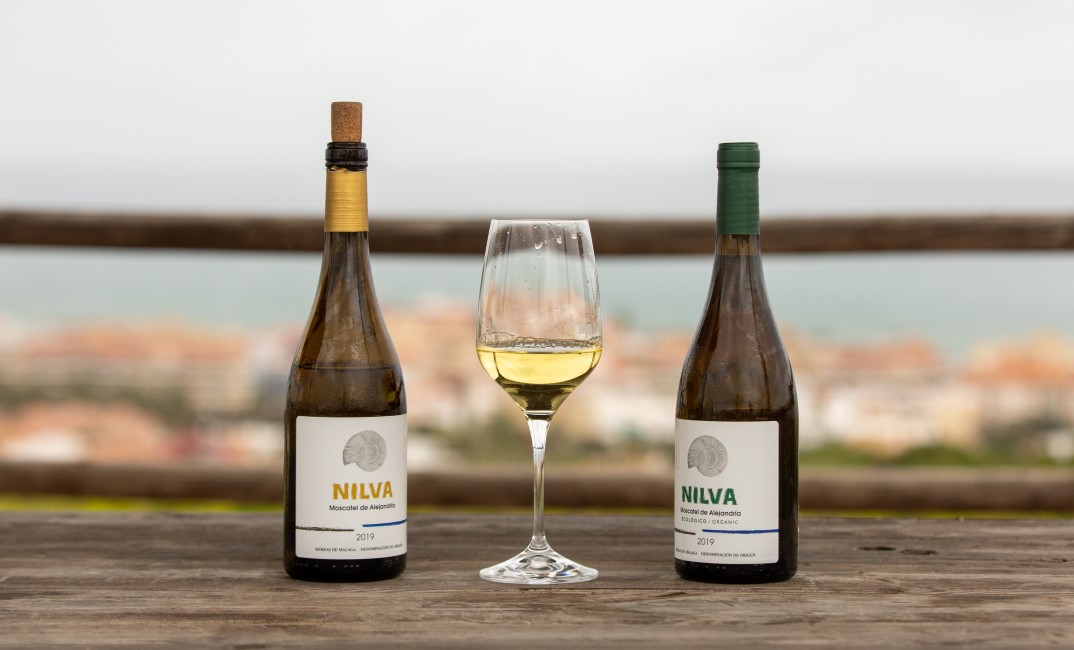
- Malaga: Nilva Enoturismo, Nilva 2024
- Sevilla: Pago del Zanzúo, Roca Volcánica
Experts at Viajar visited bodegas and wineries across the country to create their map of the top notch vinos, insisting that Spanish wine ‘isn’t just about Rioja, Ribera del Duero or Pirorat’.
In their report, they said each selected wine is the result of the ‘efforts of generations of winemakers, the knowledge passed down from parents to children, and, increasingly, a new generation of winemakers who combine tradition and contemporary techniques.’
‘Tasting them is, in many cases, like stepping into the intimate history of a province,’ it added.
It insisted that its map is not intended to be definitive, ‘but rather representative’.
Below are its favourites in the eight provinces of Andalucia.
Almeria: Bodega Sierra Almagrera, Antas Rosado
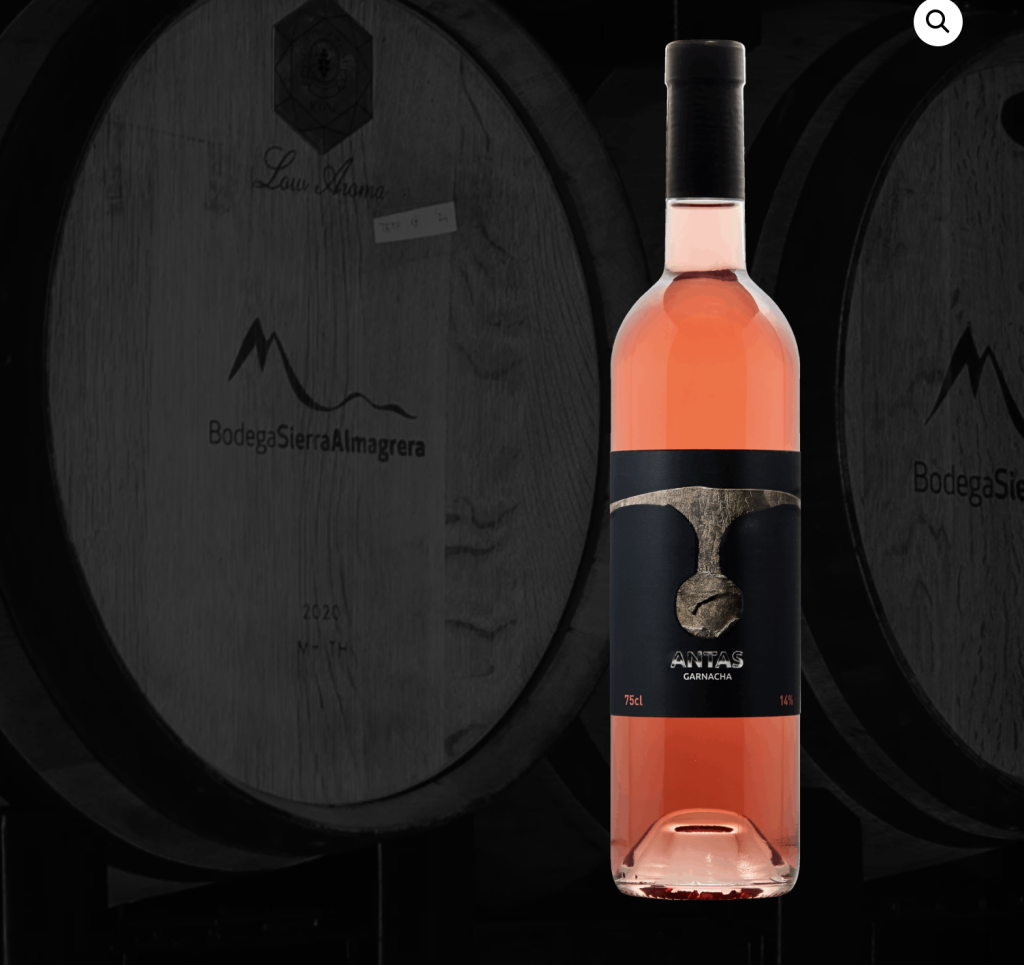
Nestled in the Levante de Almeria, Bodega Sierra Almagrera champions terroir-driven wines. Their Antas Rosado is a vibrant rosé made from 100% Garnacha, presenting a clean, bright pink hue with a gentle red rim.
Aromas of tropical fruit and fresh fruit lead to a rich, enveloping palate balanced by refreshing acidity and a long, fruit-driven finish – a superb choice for Andalusian summers.
Cadiz: Bodegas Barbadillo, Barbadillo Blanco 2023
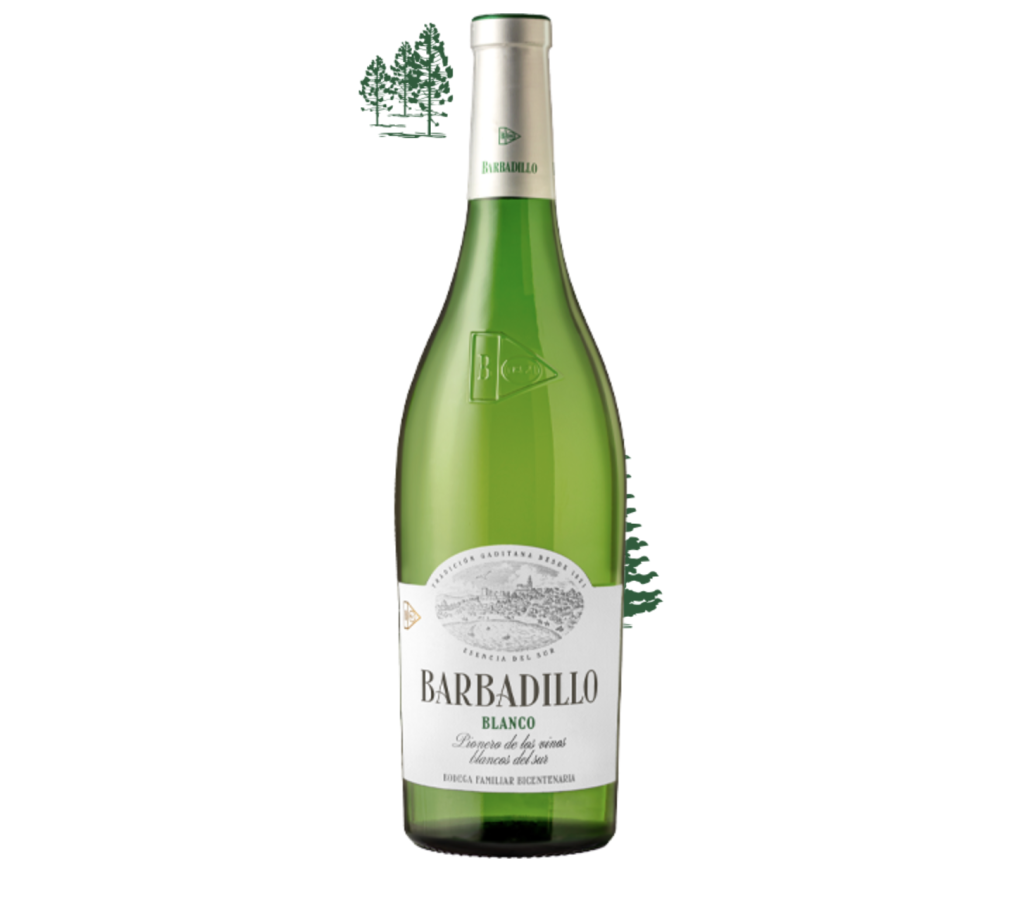
One of the classic names of the Cadiz and Jerez area, Bodegas Barbadillo’s Barbadillo Blanco offers a taste of the Atlantic influence.
A youthful white made from Palomino, it delivers pale yellow colour with fresh citrus and white fruit aromas.
On the palate, it is smooth, elegant and versatile, with a slight saline note that pairs beautifully with seafood, tapas and grilled vegetables.
Cordoba: Vinos Montilla-Moriles, Ximenium Cuen Blanc
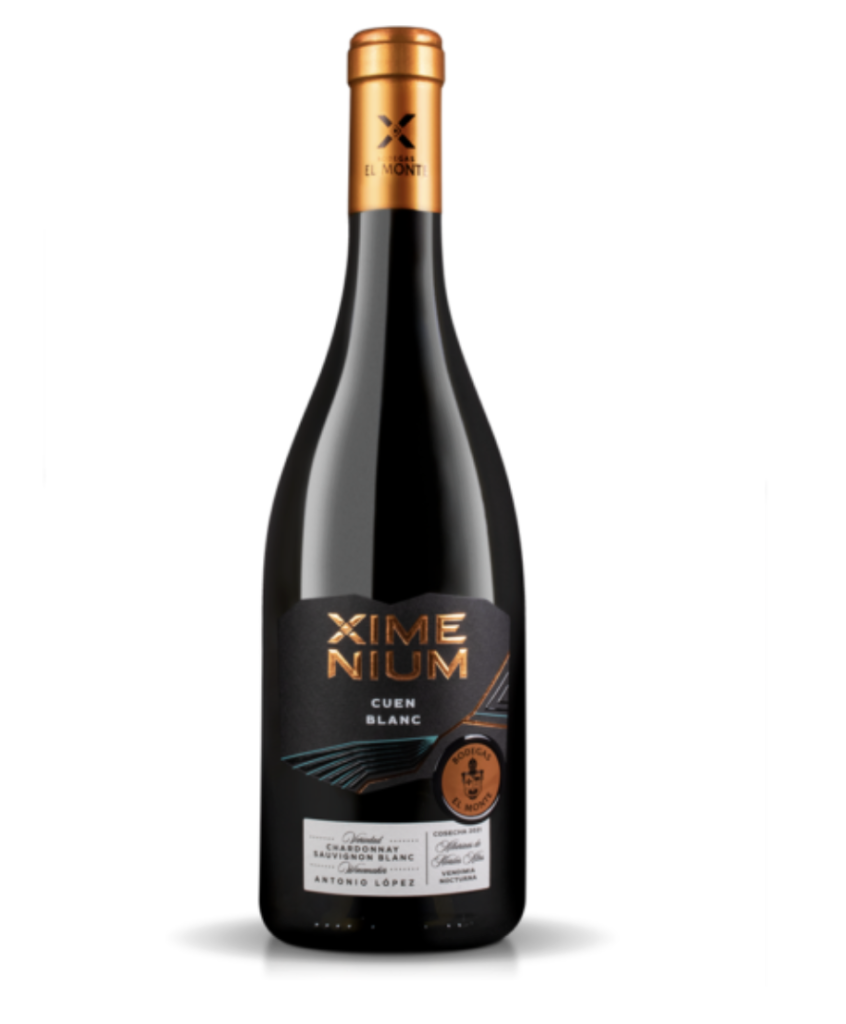
From the historic Montilla-Moriles Denominación, Ximenium Cuen Blanc blends Sauvignon Blanc and Chardonnay grapes to highlight freshness and balance.
Produced with meticulous, often nocturnal harvests and cool fermentation, this white is known for its aromatic notes of white fruit and gentle citrus, with a mineral backbone and a clean, balanced finish.
It’s a terrific companion to shellfish, grilled fish or simply good company.
Granada: Bodegas Muñana, Muñana 3 Cepas
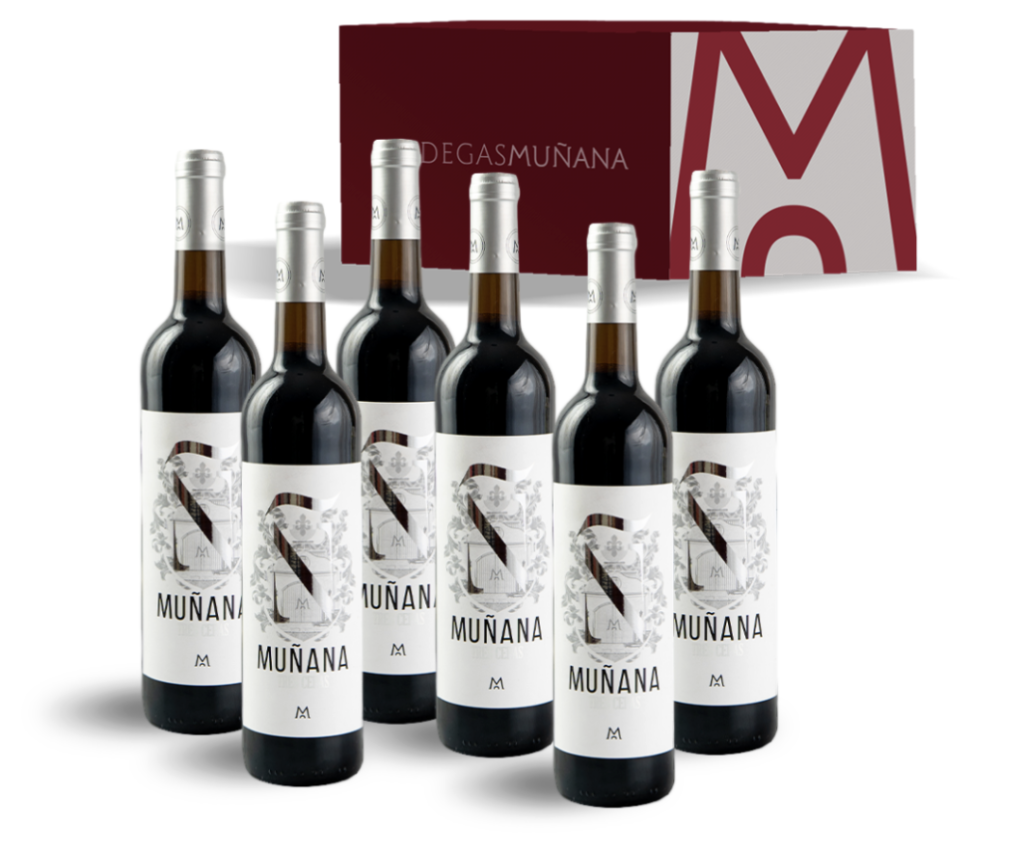
Emerging from the varied altitudes around Granada, Bodegas Muñana’s Muñana 3 Cepas celebrates a blend of three traditional varieties.
While specific tasting notes for the 2025 vintage are limited in public sources, previous releases from Muñana have shown complexity, structural balance and expressive minerality that reflect the cooler mountain-influenced terroir – a standout expression from Granada’s evolving wine landscape.
Huelva: Bodegas Magasé, Vino Blanco Tártis Colombard Magasé 2023
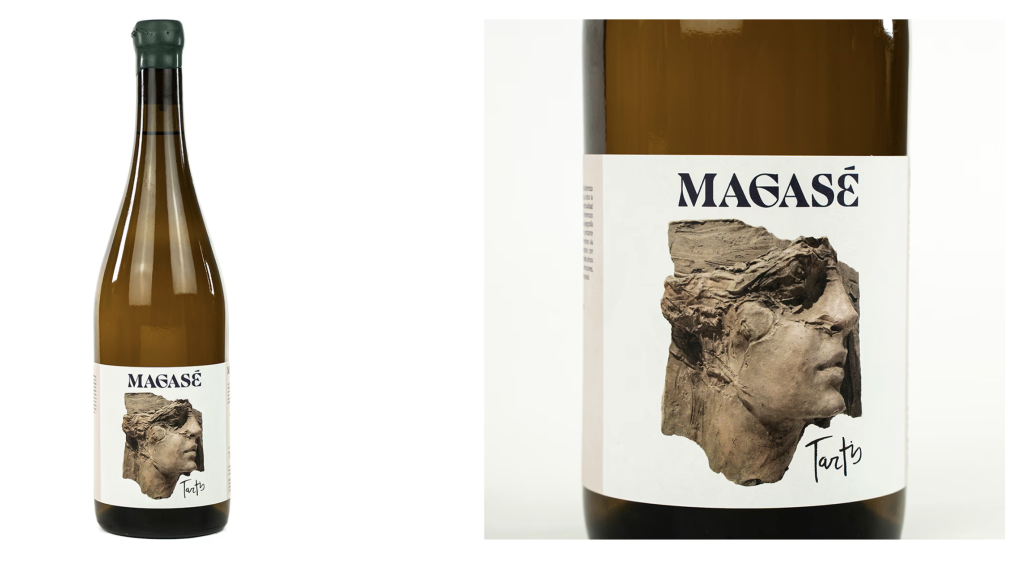
Huelva’s proximity to the Atlantic and the Gulf of Cádiz imbues its wines with coastal freshness.
The Tártis Colombard Magasé 2023 is a white crafted with Colombard grapes, offering aromatic fruit and crisp acidity, ideal as an aperitif or paired with seafood and light Mediterranean dishes.
Its 2023 vintage has been recognised for combining freshness with floral and citrus character – a fine expression from Bodegas Magasé’s innovative approach.
Jaen: Bodegas Cefrián, Mister Malaostia
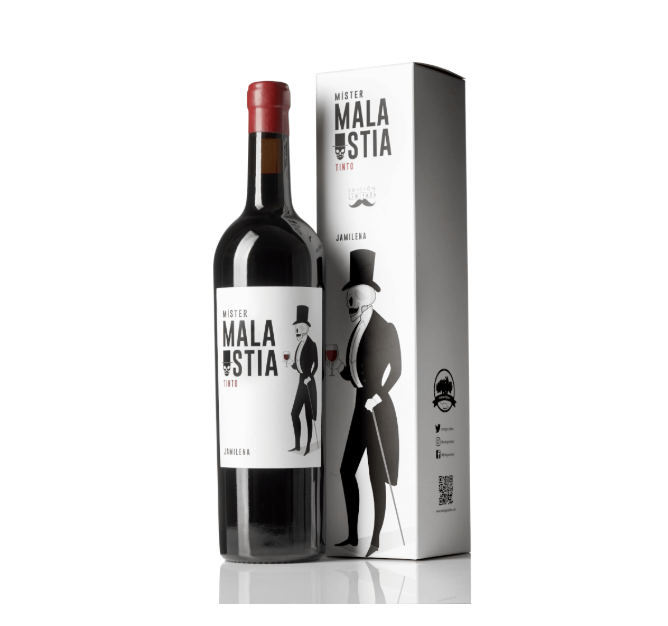
Jaen is better known for olive oil than wine, but Mister Malaostia from Bodegas Cefrián bucks that trend with a bold personality.
While detailed tasting notes for this specific wine are scarce online, local enotourism and specialist retailers describe Jaén wines as distinctive, often rustic yet expressive, capturing the warmth and altitude of the Jaén landscape. Expect robust flavours and a memorable regional character.
Malaga: Nilva Enoturismo, Nilva 2024
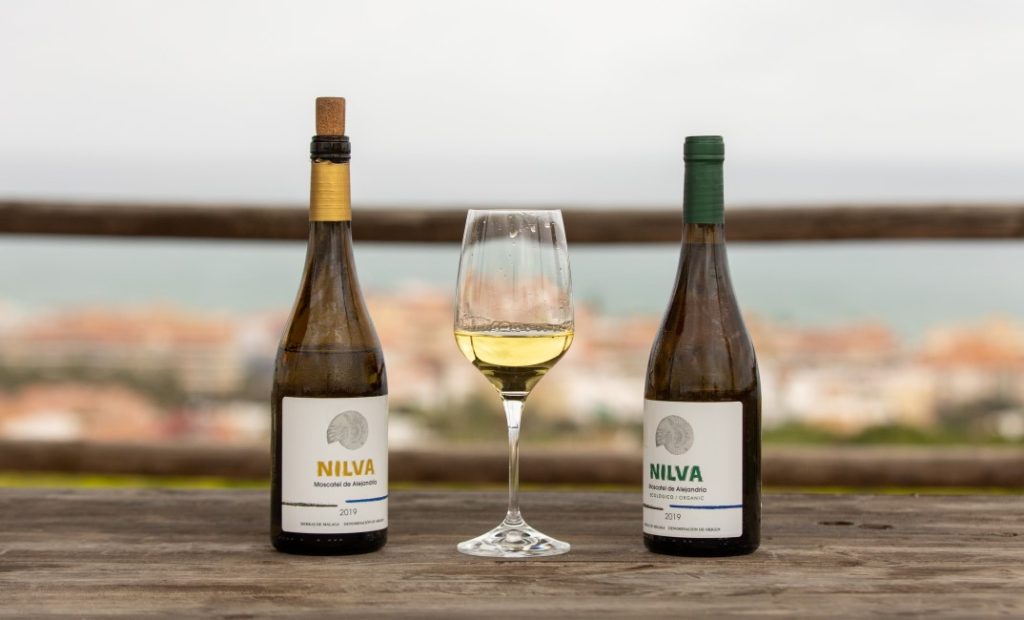
Malaga’s wine heritage stretches from ancient times to today’s boutique producers.
Nilva 2024 from Nilva Enoturismo reflects this blend of tradition and innovation: a wine that showcases fresh fruit and balanced acidity, representing the Málaga hillsides where mountain coolness meets Mediterranean light.
A fine example of the region’s capacity to produce dynamic, food-friendly wines.
Sevilla: Pago del Zanzúo, Roca Volcánica
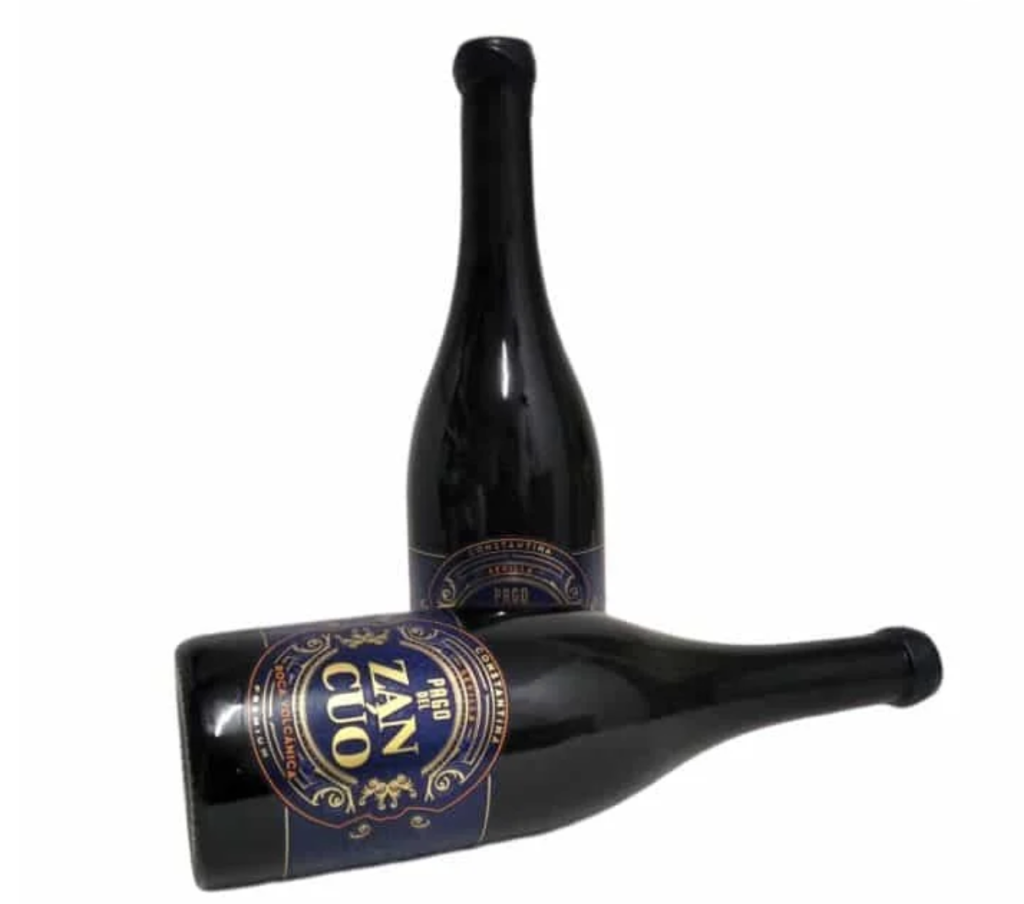
At the crossroads of history and volcanic terroir near Sevilla, Roca Volcánica stands out for its dramatic name and character.
Although specific published tasting notes are not widely available online, Pago del Zanzúo’s wines are celebrated for minerality and structure that mirror their unique soils, often yielding wines with depth and a striking sense of place – a fitting flagship for Sevilla’s wine scene.