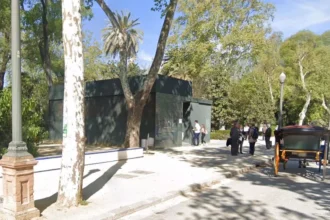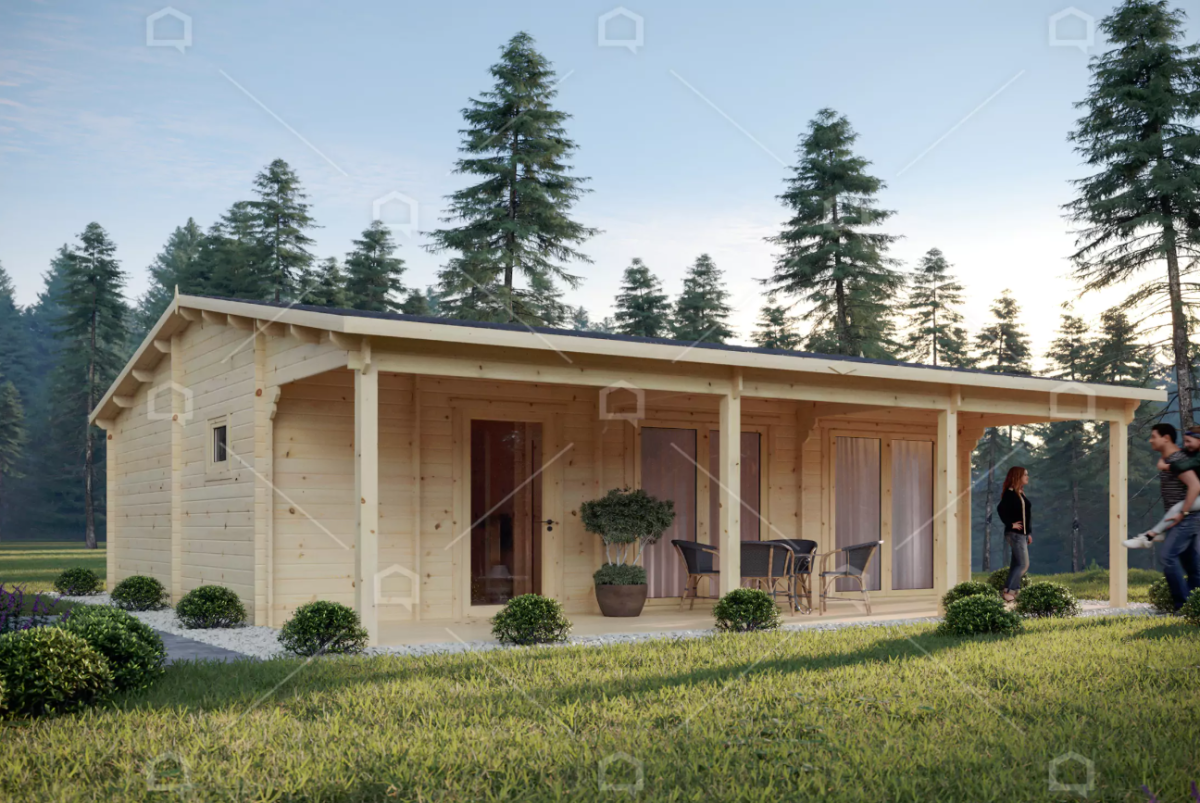

A couple have been ordered to demolish their 60m2 pre-fabricated home in Spain after the courts ruled they knowingly built it on protected rural land where construction is strictly prohibited.
The ruling, recently upheld by the Provincial Court of Caceres, serves as a stark warning for anyone thinking of installing a modular or prefabricated house in Spain without airtight paperwork.
In 2009, the pair bought a 2,600m2 plot classified as non-developable land with special irrigation protection.
Despite being explicitly denied a building permit by the local council, even for something as basic as fencing the property, they pressed ahead, laying a concrete base and placing a full prefabricated house on top.
In a ruling in June this year, a criminal court in Plasencia convicted them of a crime against land-use planning, stating that both owners acted as the promoters of the illegal build and did so with full awareness that permission had been refused.
The couple appealed, claiming they believed the land was buildable because other similar structures existed nearby, and that the council did not intervene forcefully at the beginning of the works.
But magistrates have now dismissed every argument. In a sharply worded judgment, the court made clear that the pair ‘knew perfectly well’ that construction was not permitted and that the property ‘could never be legalised’ under the existing planning rules.
The court also rejected the claim that the presence of other irregular homes created a precedent, stating bluntly that there is ‘no right to equality in illegality’. Nor did the passage of time work in their favour.
The couple were sentenced to three months in prison and issued a €540 fine, as well as a ban on working in construction-related activities.
More importantly they were ordered to demolish the home and restore the land to its original state.
The ruling can still be appealed before Spain’s Supreme Court.
Thinking of installing a prefabricated home in Spain? How to avoid jail
This case will ring alarm bells for many foreign buyers, particularly those attracted by the booming market in modular, wooden or container-style homes.
What you must know is that in Spain, a prefabricated home counts as construction and almost always requires a full planning licence.
Never rely on what neighbours have built, as the presence of other illegal homes is not a defence. Courts consistently rule that previous irregularities do not create rights.
Be sure to check the land classification before you buy, bearing in mind that land in Spain falls into several categories.
The most relevant are urban land (buildable), urbanisable land (potentially buildable, but requires a development plan) and Rustico / No urbanizable (generally not buildable, and some areas are under special protection, as in this case).
If the land is rustico, assume you cannot build unless the town hall proves otherwise in writing.
Additionally, many buyers mistakenly believe that a modular home ‘doesn’t count’ because it can, in theory, be moved, but Spanish law disagrees.
If it has foundations, connections or permanent use, you’ll need a building permit.
Note that town halls often reject or restrict building on protected land. A refusal, however informal, is binding. Anything built after a denial is almost certain to be flagged as a criminal offence.
To avoid any doubt, employ a technical architect (aparejador) or planning lawyer before starting. They can verify if the land is buildable, whether a licence is possible and whether the home meets local regulations.