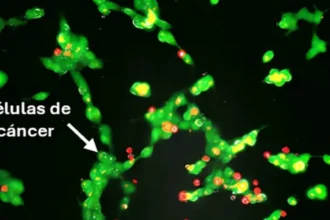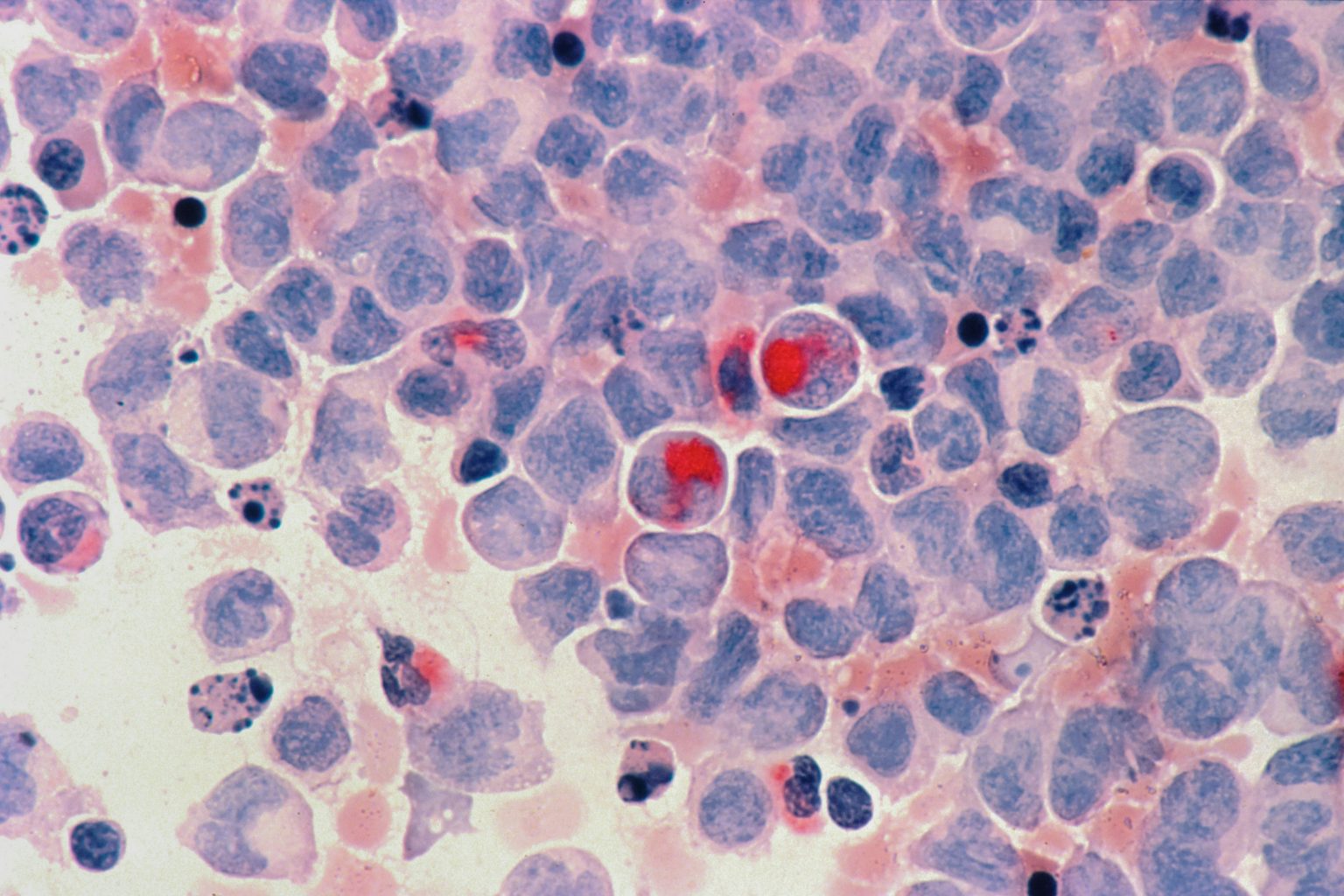

Spanish biotech firm Oncomatryx has secured €12.5 million in EU funding to launch a new clinical trial of a promising cancer treatment.
The treatment, called OMTX705, is a next-generation antibody–drug conjugate (ADC) designed to tackle some of the most resistant cancers.
The company’s research focuses on disrupting the tumour’s microenvironment, which is the protective ‘ecosystem’ cancers create around themselves to evade the immune system.
This includes the fibroblasts associated with cancer (CAFs), support cells that help shield tumours and encourage new blood vessels to grow.
Immunotherapy has transformed cancer care in recent years by using the body’s own defences to attack malignant cells.
But some metastatic cancers – including certain colorectal and pancreatic tumours – respond poorly because the microenvironment itself suppresses immune activity.
OMTX705, an ADC combining targeted immunotherapy with chemotherapy, aims to dismantle these defences and re-sensitise the tumour to immune attack, potentially producing a stronger and longer-lasting response.
Oncomatryx CEO and biochemical scientist Laureano Simon explained in an interview with Cadena SER that the therapy’s novelty lies in targeting the surroundings of the tumour rather than the tumour itself, allowing it to reach both primary and metastatic sites.
Early human results show promise
The approach has already undergone a phase I clinical trial involving nearly 100 patients in Spain and the US.
Findings presented last summer at the American Society of Clinical Oncology (ASCO) congress indicated a favourable safety profile and extended disease control while preserving quality of life.
Simon said results were particularly encouraging in patients with pancreatic and liver cancers, including cases with metastases in the liver and lungs.
In one pancreatic cancer patient, the therapy even appeared to reverse a liver metastasis, typically associated with a very poor prognosis.
Years to go before approval
Despite the optimism, researchers emphasise caution. Phase I is only the first of three clinical stages required before any treatment can be approved for routine use, meaning OMTX705 must still clear further trials to prove its effectiveness and safety. That process could take several more years.