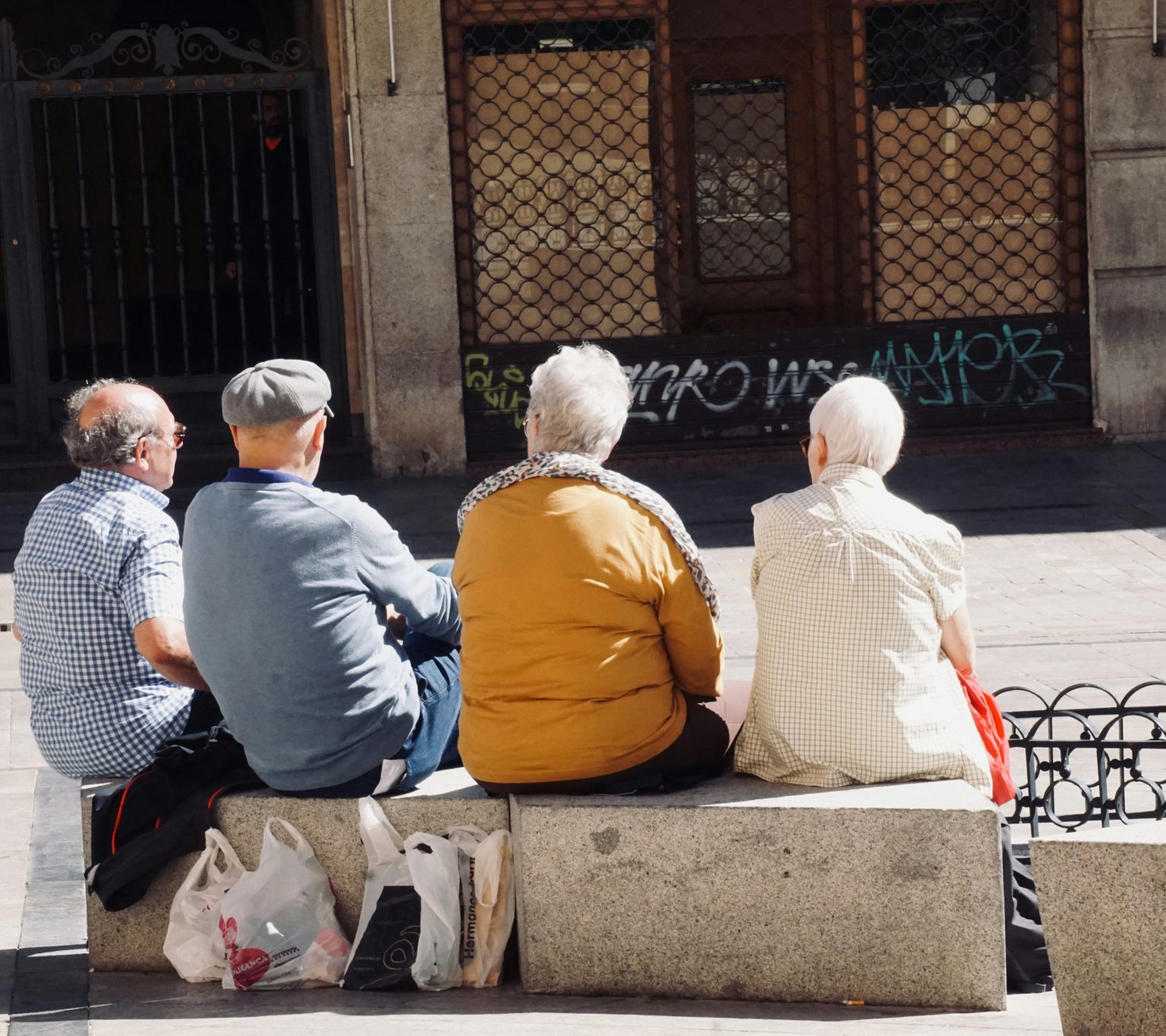

It’s a familiar sight for anyone who spends time in Andalucia. As the heat drops and dusk falls, chairs scrape across pavements as neighbours step outside for a chat and gossip.
Known as ‘tomar el fresco’, or ‘taking the fresh air’, it’s been an integral part of Andalucian life for generations.
A new survey suggests the tradition is still alive and kicking – especially in Andalucia, where 98% of residents say they still practice it regularly.
READ MORE: ‘Que chachi!’ how widely used word in Cadiz is linked to Winston Churchill
That figure places the region top of Spain for keeping the custom intact, ahead of Castilla-La Mancha and Extremadura.
But not all the signs are encouraging. Nearly half of Andalucians (46%), say they believe the ritual is weakening among the young.
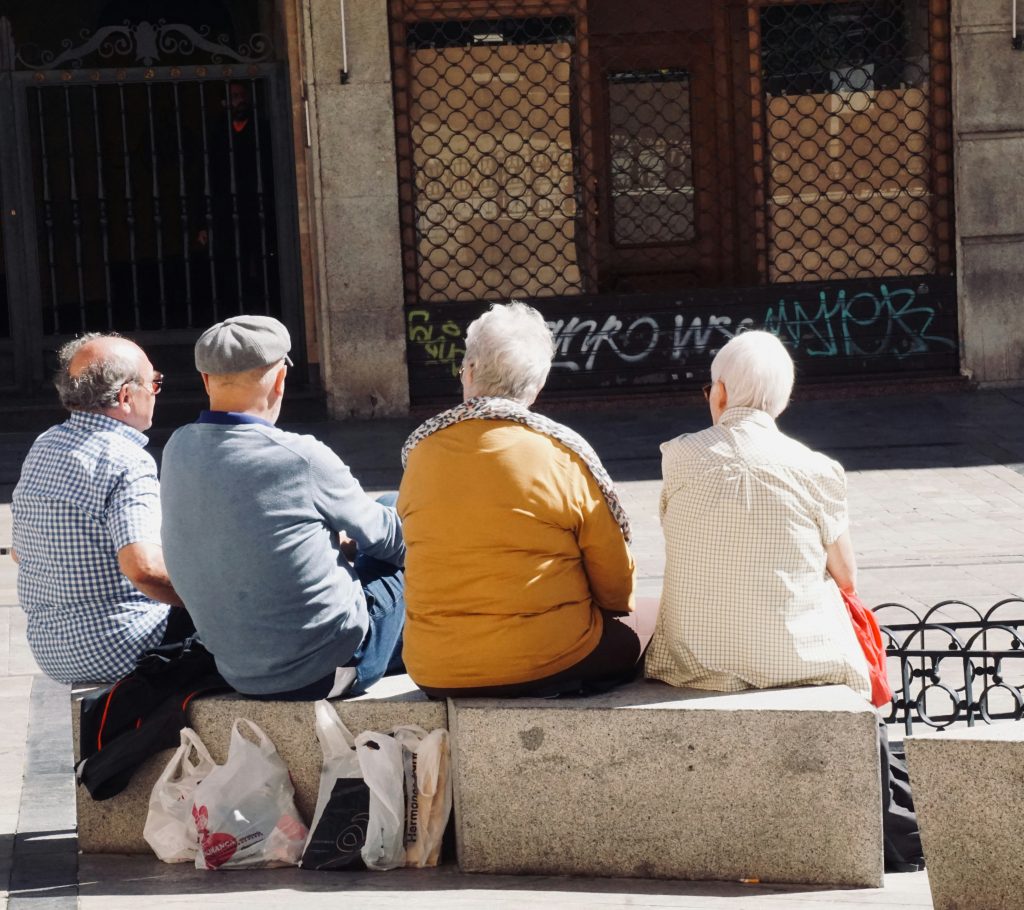
Concern is growing that one of Spain’s most ordinary, yet most culturally significant, summer habits is at risk of fading away.
The figures come from a study by research firm Appinio, commissioned by Valencian sauce maker Chovi.
Known for its supermarket aioli, the brand has launched a campaign to have tomar el fresco recognised by UNESCO as Intangible Cultural Heritage of Humanity.
The gesture may look simple, but for anthropologists and activists, it ticks all the boxes for heritage status: it is collective, identity-based, dynamic, and deeply human.
In Andalucia, 97.9% of people surveyed said the tradition strengthens neighbourhood bonds, while more than 86% even believe it should be officially protected to ensure its survival.
For centuries, sitting outside at night has been a natural antidote to southern Spain’s suffocating heat.
Before air conditioning, it was often the only way to cool down.
But in modern times, smartphones, air-conditioned living rooms and stricter rules on occupying public spaces have thinned out the habit.
In some towns, by-laws restrict how much furniture can be put on pavements. In cities, dense traffic makes sitting out harder, and often less pleasant.
Still, campaigners argue the tradition is too valuable to slip away.
‘It is much more than sitting and chatting: it is an act of encounter, dialogue, and shared life,’ says the text of Choví’s Change.org petition.
This is not the first time a grassroots gesture has been elevated to heritage debate. Flamenco singing, Andalucian patios and even the Mediterranean diet have all been formally recognised for their cultural importance.
Proponents argue that tomar el fresco belongs in that company.
Read more Andalucia news at the Spanish Eye.