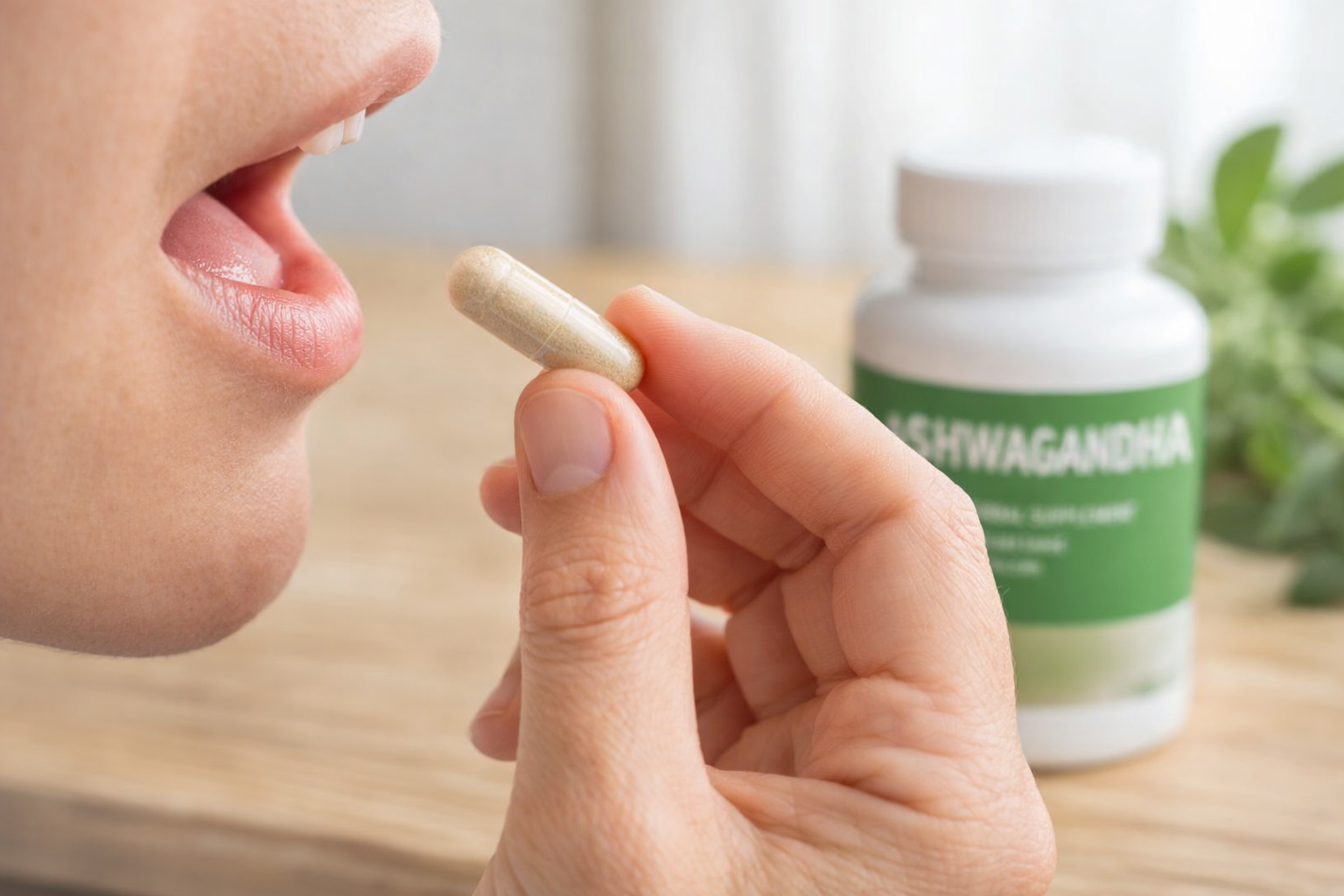

Ashwagandha is one of the most trending supplements to be touted by celebrities and influencers over the past couple of years.
Traditionally, ashwagandha (Withania somnifera) is said to reduce stress, calm anxiety, improve sleep and boost overall health.
The key point here is ‘traditionally’, as it has never convincingly shown effectiveness in treating disease, and it can also cause side effects.
In a recent ‘Enfermera Saturada’ (Overwhelmed Nurse) column in El Mundo, readers were warned by the expert that there is not enough evidence to confirm its alleged benefits.
What benefits are claimed?
Spend five minutes browsing supplement websites and you’ll see ashwagandha credited with almost everything imaginable:
- More energy and vitality
- Less anxiety and stress
- Better focus and memory
- Improved physical performance
- Stronger immune system
- Better mood
- Relief from menopause symptoms
- Increased testosterone
- Reduced inflammation
In short, a miracle root, which should immediately raise eyebrows.
What does the science actually say?
There are just over 100 scientific studies on ashwagandha, but most involve very small groups of around 20 to 30 people taking the herb or a placebo.
Additionally, follow-up periods are short and study quality is mixed.
Some results suggest it may help reduce stress or anxiety in certain people. But that’s a long way from solid proof.
To make firm recommendations, scientists would need large, long-term, well-designed trials using consistent methods.
As it stands, there is not enough evidence to declare that Ashwagandha is a clinically proven treatment for anxiety or stress, reports El Mundo.
If the benefits are unclear, could it be harmful?
Several European countries have even raised red flags over its potentially harmful effects.
Denmark has banned its sale while its close neighbours Sweden and Finland are also considering bans.
Elsewhere, the Netherlands has reported cases of liver damage linked to its use, while Poland has restricted daily doses.
Germany and France advise against its use in pregnant women, children and people with liver disease.
Evidence suggests ashwagandha may disrupt thyroid function, especially in people with hyperthyroidism.
According to reports, it could also increase the risk of miscarriage, interfere with sex hormones, alter how other medicines work and cause liver damage.
There are even documented cases of severe liver failure, including people needing transplants, particularly at high doses.
While some studies point to its health benefits, most of them are small, short-term and not designed to detect long-term harm, meaning their results cannot be applied to the general population.