
Spain’s property market is heading for another year of price increases in 2026, according to BBVA Research.
In its latest Observatorio Inmobiliario, the bank forecasts that average home prices will rise by around 10% in 2025 and climb a further 7% in 2026, fuelled by strong demand, solid job creation, rising wages and still-manageable borrowing costs.
Despite a slowdown in transactions, BBVA believes the market will remain buoyant thanks to limited supply, robust household formation and the continued appetite of foreign buyers for second homes.
Demand strong – but supply still lags behind
BBVA expects housing demand to stay healthy through 2026, supported by employment growth and rising wages, household formation among both Spaniards and immigrants and the ongoing influx of international buyers seeking second homes.
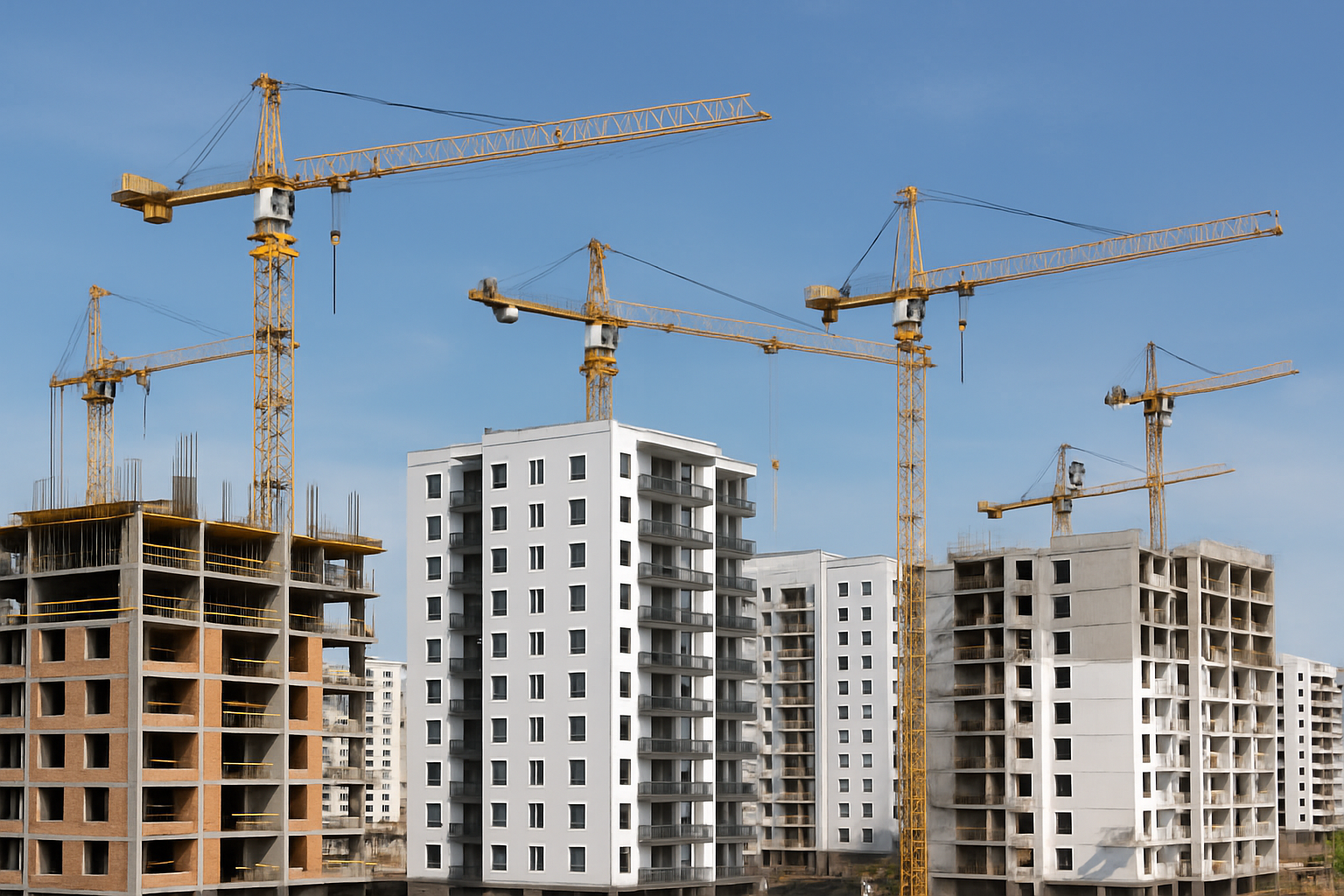
On the supply side, the bank predicts new housing construction will grow by 10% in 2025 and 12% in 2026, yet warns that this pace is still insufficient.
Between 2021 and 2025, Spain will have created 625,000 new households, while completed homes will meet only 45% of that demand, leaving an estimated deficit of 134,000 units in the past year alone.
‘At the current construction rate, this gap will take years to close,’ the report warns.
Sales cooling as prices bite
While demand remains resilient, the market is showing signs of fatigue.
Notary data reveal that 38,239 homes were sold across Spain in August 2025, down 1.3% year-on-year, the lowest figure in two years and the third decline in four months.
BBVA attributes this to a shortage of both new and second-hand properties and prices that are increasingly out of reach for many buyers.
The bank projects that home sales will grow by just 1.8% in 2025 before flattening in 2026, when it expects a modest 0.3% fall in transaction volumes.
Eight key factors slowing housing construction
BBVA identifies eight structural challenges that continue to restrict new housing supply in Spain:
- Regulatory uncertainty – The bank urges a revision of the most restrictive aspects of Spain’s Housing Law and faster court processes for illegal occupation cases.
- Shortage of ready-to-build land – Spain still needs to construct a housing volume equal to 26% of its current residential stock.
- Low public investment – Although BBVA values the forthcoming 2026-2030 Housing Plan, it warns that public spending on housing remains historically low.
- Labour shortages – Construction vacancies have quadrupled since 2016, driving labour costs to record highs and accelerating the need for generational renewal, immigration and industrialised building methods.
- Low productivity – Productivity in construction remains 25.4% below the national average.
- Rising material costs – Prices of 33 essential materials have risen faster than inflation since the pandemic.
- Tourist housing pressure – Around 400,000 tourist rentals are now registered nationwide, shrinking the pool of long-term rentals.
- Reduced financing – Bank lending for development has fallen around 80% from 2008 levels, hindering new projects.
BBVA calls for urgent reforms
The report concludes that improving profitability for construction firms, especially SMEs, is crucial to expanding supply.
It urges political consensus and institutional cooperation to push through reforms that streamline planning, attract investment and align public and private efforts.
Without such changes, BBVA warns, Spain’s housing shortage, and upward pressure on prices, will persist well beyond 2026.