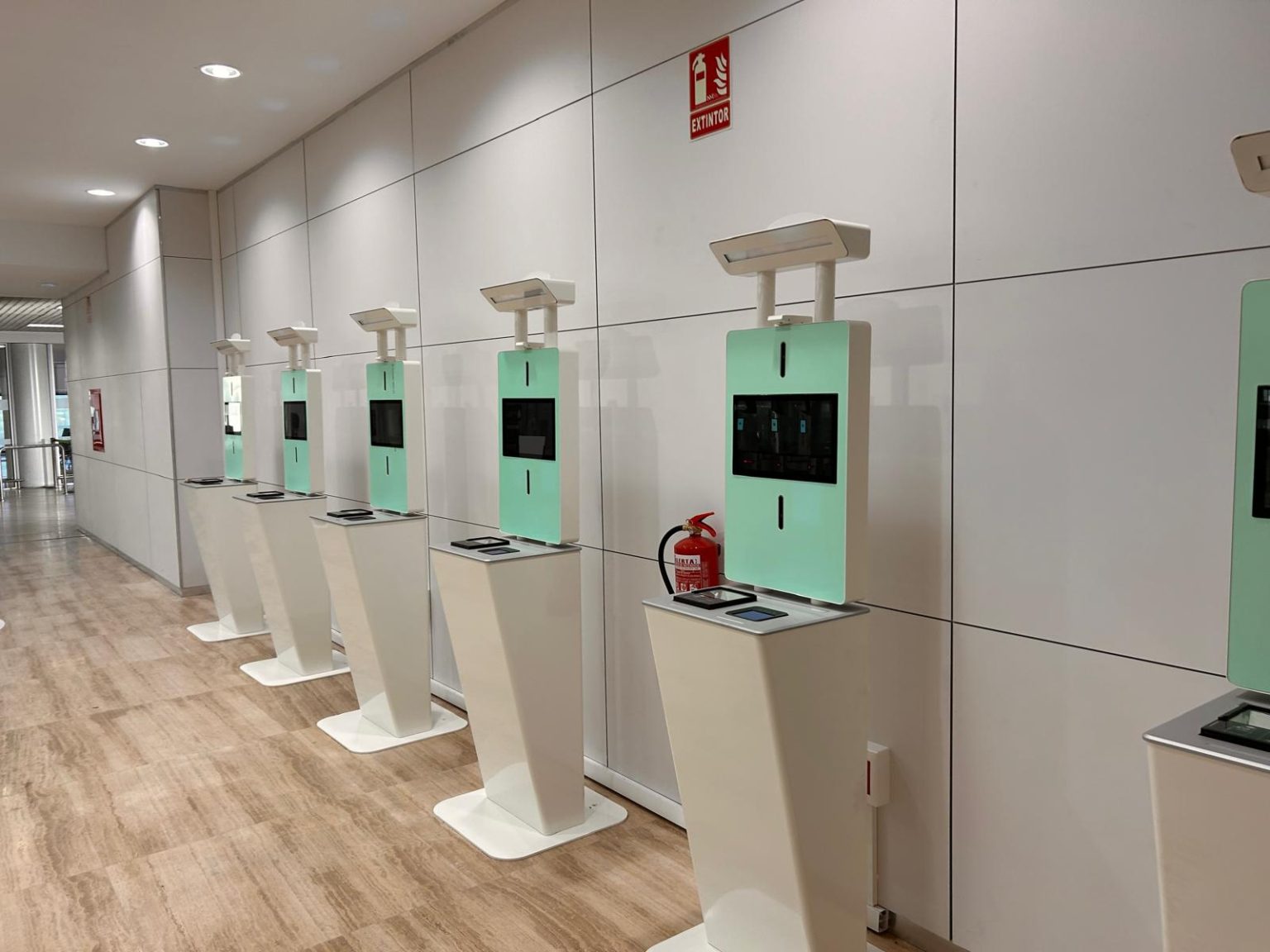

The EU’s long-awaited (and repeatedly delayed) Entry/Exit System (EES) is due to come into force across the Schengen Zone on Sunday.
The system is being rolled out gradually, however, with airports and travel hubs installing them until the final deadline of April 10, 2026.
In Spain, Madrid’s Barajas-Adolfo Suarez Airport will become the first in the country to trial the border control system.
The EES automatically records the facial features and fingerprints of non-EU nationals, including non-resident Brits.
The data will be stored in a centralised database managed by the European Commission and accessible in real time to all EU member states.
The EES will apply to all travellers entering the Schengen Area from outside its borders – covering most EU countries (excluding Ireland and Cyprus) plus Norway, Iceland, Liechtenstein, and Switzerland.
Why is the EU bringing it in?
The aim of the EES is to strengthen border security and better monitor overstays. Authorities say the system will help combat terrorism, organised crime, illegal immigration, identity theft and document fraud.
At a media preview on Thursday, Policia Nacional officers and officials from Spain’s Interior Ministry demonstrated how the new system will work.
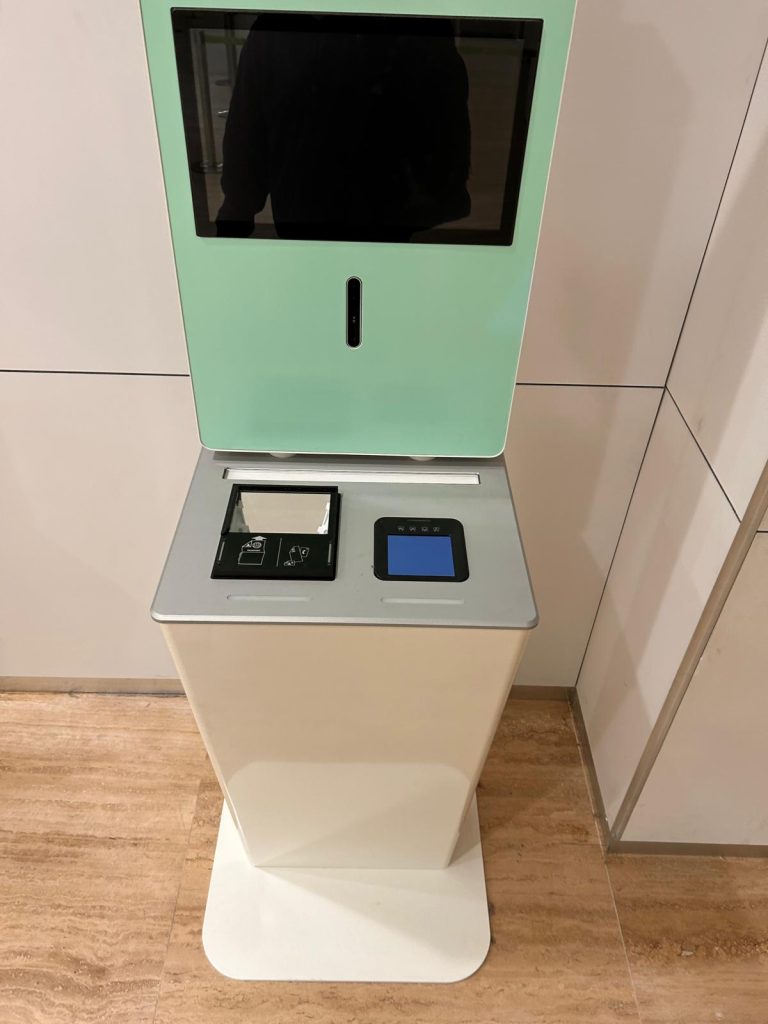
At Madrid Airport, 48 self-service kiosks are already installed and ready to begin scanning passports and recording biometric data, including a face scan and four fingerprints from the right hand (excluding the thumb).
According to officials, once a traveller is registered in the system, future border crossings will be much faster. The process is designed to be user-friendly and mirror the questions a border guard might ask – such as accommodation details, financial means, and intended length of stay.
Police officers and support staff will be on hand to assist passengers unfamiliar with the technology.
How the system works
After registering at a kiosk, travellers will go through automated passport gates, also known as ABC gates (Automated Border Control).
Here, they will scan their passport again and undergo a second facial recognition check to confirm their identity matches the one recorded earlier.
This two-step system is intended to reduce the risk of passport swapping.
If the system flags any issues, or if there’s a mismatch, the passenger will be directed to a manual inspection point, where police officers can carry out further checks.
The EES will first be introduced at airports, then at land borders, and finally at seaports. While Spain is largely ready for rollout, Interior Ministry sources note that some seaports are still undergoing technical upgrades.
The system’s deployment will be gradual, so not all data may be collected at every point of entry immediately.
Until the system is fully operational, passports will continue to be stamped. But once EES is live across the EU, physical stamps will disappear. Officials say the current stamp system is outdated and ineffective for tracking overstays or border movements.
Who will be registered?
The system will apply to non-EU nationals entering the Schengen Zone for short stays (up to 90 days in any 180-day period). It will record each entry and exit, along with refusals. Law enforcement agencies across the EU will have access to the information.
Travellers requiring a visa will have already submitted fingerprints during their visa application, so EES will only collect their passport and facial data. Those not needing a visa will have both fingerprints and facial images collected at the border.
The European Commission proposed the ‘smart borders’ initiative in 2016. The legal framework for the EES was adopted in 2017, alongside amendments to the Schengen Border Code.
Spain’s Interior Ministry has invested €83 million to upgrade its border control points to meet EES requirements. The Policia Nacional will continue overseeing border checks, while the Guardia Civil maintains responsibility for customs and fiscal enforcement.
Spain has 81 official external border points, making it one of the EU countries with the highest number of Schengen frontiers.
Read more Spain travel news at the Spanish Eye.