
Tensions between Washington and Madrid have reignited a question that once seemed unthinkable: could the US pull out of its key military bases in southern Spain?
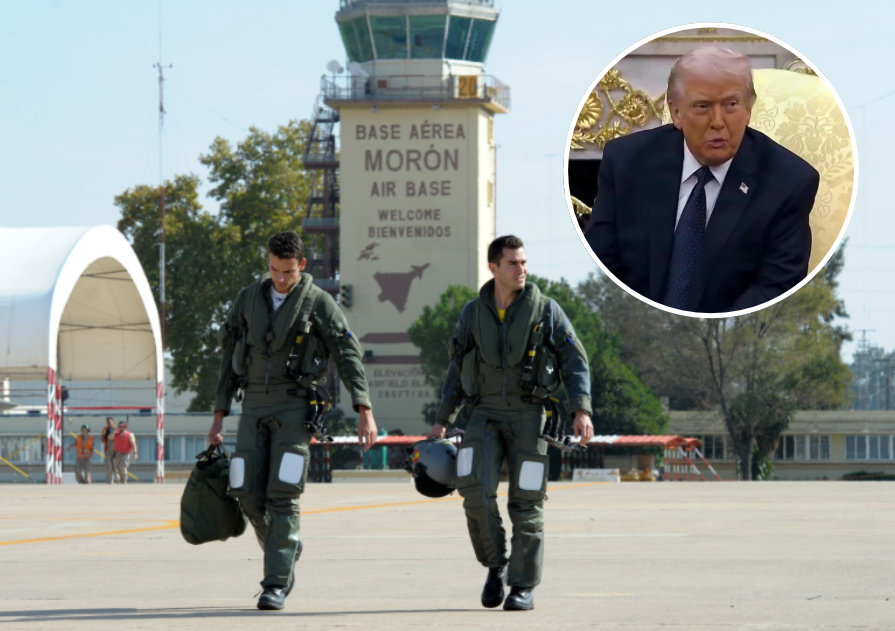
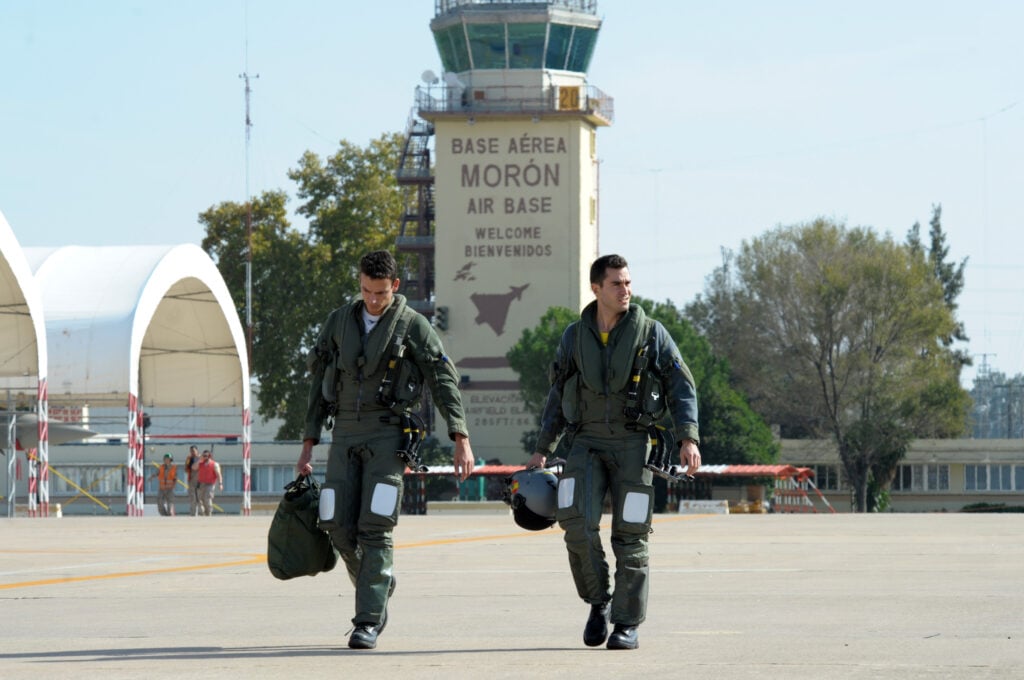
The friction centres on Andalucia’s two strategic installations, Rota (Cadiz) and Moron de la Frontera (Sevilla), where around 4,000 US military personnel are currently stationed.
Both bases play a crucial role in NATO’s southern flank, acting as logistical hubs for operations across the Mediterranean and Middle East, as well as a deterrent against Russia.
But relations have soured sharply.
Why Trump is clashing with Spain
Donald Trump has openly criticised NATO allies who refused to back recent military operations against Iran – a campaign launched alongside Israel at the end of February.
Spain has emerged as a particular flashpoint.
The government led by Pedro Sánchez not only declined to support the offensive, but also blocked the use of Rota and Moron for US operations, extending the veto to American military aircraft crossing Spanish airspace.
The move has triggered a diplomatic standoff and prompted renewed threats from Washington.
Can the US actually leave?
In short yes, but not quickly, according to experts cited by Spanish national news organisation Cadena Ser.
The presence of US forces in Spain is governed by a bilateral defence agreement, which renews automatically each year unless one side opts out.
If Trump wanted to terminate it, he would need to give formal notice at least six months before renewal.
The US would also have to enter a negotiation phase with Spain and allow up to 12 months to resolve disputes.
Only if those talks fail could the agreement be scrapped.
Even then, a full military withdrawal would take at least another year, meaning any exit would be slow, staged and highly managed, and not an overnight decision.
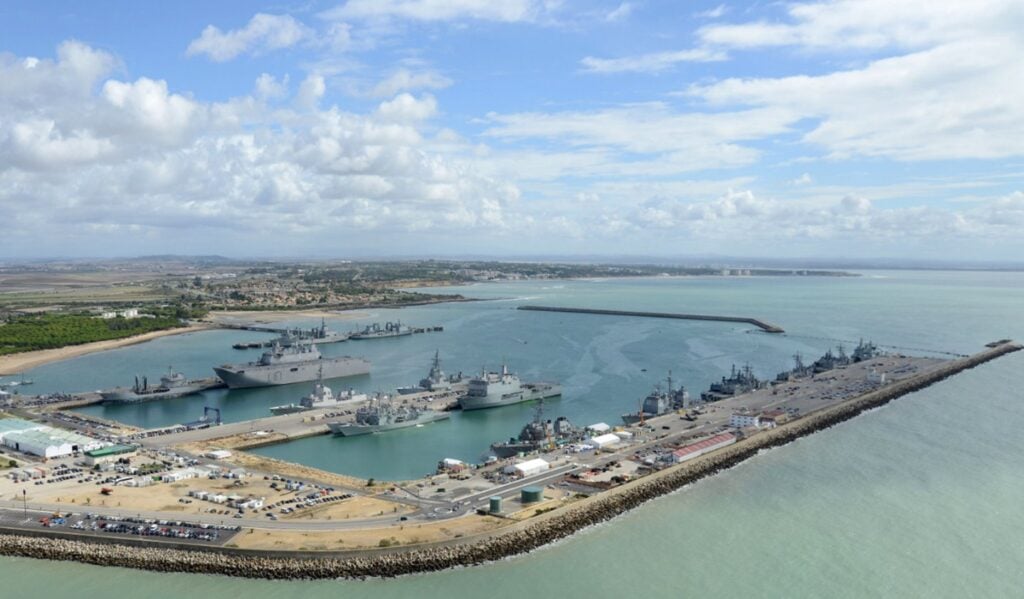
What would happen to Rota and Moron?
If the US did pull out, three main scenarios are being discussed in diplomatic and defence circles:
1. Full Spanish control
Spain could take over both bases entirely, but this would come at a significant cost and require a major operational overhaul.
Crucially, it would mean losing US logistical support, intelligence capabilities and military infrastructure.
2. NATO steps in
A more likely option would be for NATO to assume a greater role, maintaining the bases as part of the alliance’s network.
This would preserve their strategic importance while reducing direct US control — but would require complex political agreement among member states.
3. Reduced strategic relevance
Without US involvement, both bases would inevitably lose some of their global significance, weakening Spain’s position within the transatlantic defence architecture.
Why these bases matter so much
Rota and Moron are currently among the cornerstones of Western defence strategy.
They enable rapid deployment of troops, host naval assets, and support missions ranging from counterterrorism to crisis response.
Their location in southern Spain makes them uniquely valuable for operations spanning Europe, Africa and the Middle East.
That is precisely why any potential withdrawal is causing concern in both military and political circles.
A high-stakes political gamble
For now, there is no formal move to terminate the agreement.
But the rhetoric from Washington – combined with Spain’s refusal to align with US military strategy – has pushed relations to one of their lowest points in decades.
If Trump were to follow through, the consequences would go far beyond Andalucia.
It would reshape Spain’s role in NATO, alter the balance of power in the Mediterranean, and force a fundamental rethink of Europe’s defence structure.
Read more Andalucia news at the Spanish Eye.