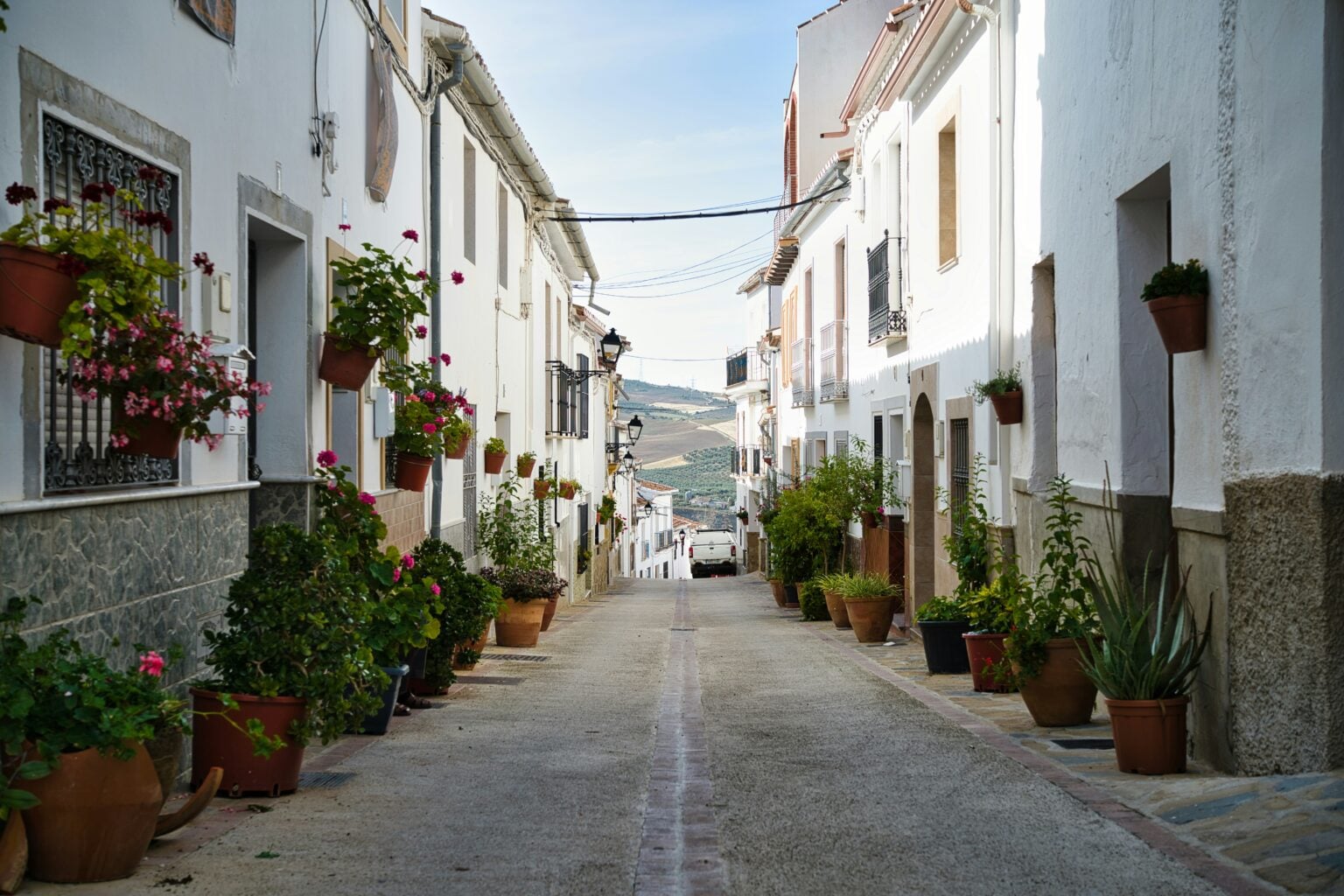

Tucked away in inland Malaga lies a village where history, nature and adventure are packed into a remarkably small space.
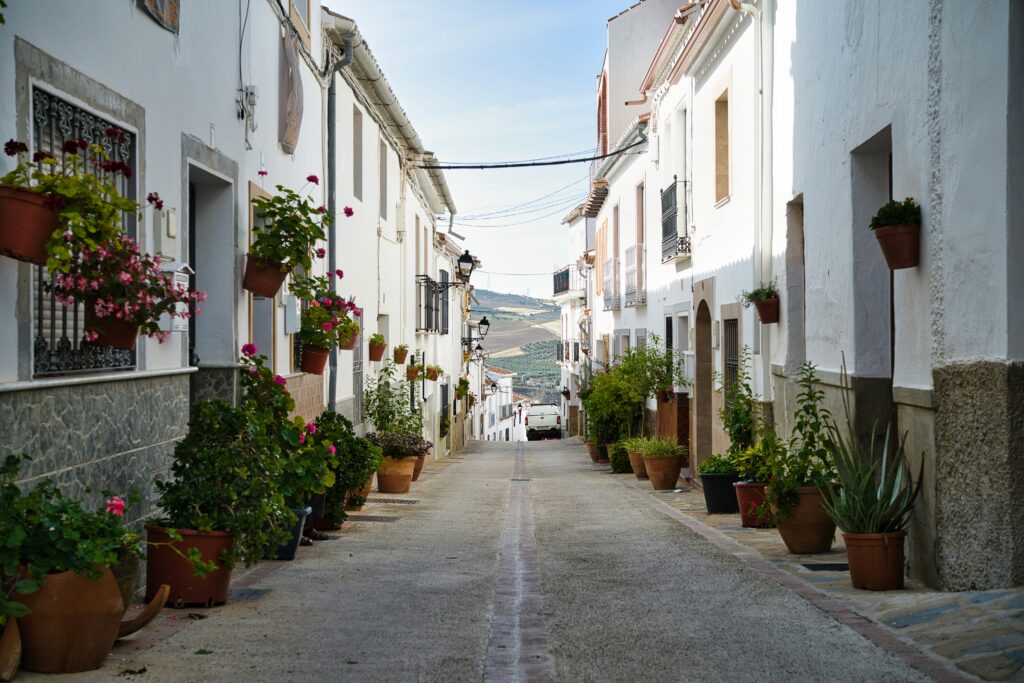
The hilltop town of Ardales rises beneath a dramatic rocky outcrop that has dominated the landscape since prehistoric times and continues to define one of Andalucia’s most underrated destinations.
At the heart of the village stands the Peña de Ardales, a natural stronghold that has been continuously inhabited for tens of thousands of years.
Layer upon layer of civilisations have left their mark here – from Tartessians and Romans to Moors and Christians – all drawn by its strategic position.
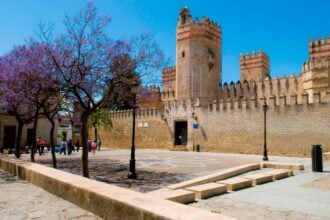
At its summit, visitors can explore the remains of an Iberian settlement, a Mozarabic fortress, a medieval castle and a Mudejar-style church, all stacked within the same historic footprint.
The ruins of the castle – with its walls and towers still visible – offer sweeping views across the surrounding valleys and mark Ardales’ long-standing role as a defensive stronghold.
A cave that rewrote prehistory
Just outside the village lies one of Spain’s most extraordinary archaeological sites: the Cueva de Ardales.

Discovered in 1821 after an earthquake exposed its entrance, the cave contains more than 1,000 prehistoric artworks spread across hundreds of panels.
What makes it truly unique is its age.
Scientists have confirmed that some of the red ochre markings on its stalagmites were created by Neanderthals around 65,000 years ago, making them among the oldest known human artistic expressions on Earth.
Later, both Neanderthals and modern humans used the cave, which also served as a burial site during the Neolithic period.
Castles, ruins and forgotten kingdoms
The surrounding area is equally rich in history.
Nearby lies Bobastro, a vast rock-cut complex where rebel leader Omar ibn Hafsun established a Christian stronghold in the 9th century, complete with a cave-carved church.
Further along the Turon valley stands the Castillo de Turon, one of the few fortresses in the region that remains largely untouched, preserving its original structure.
These sites once formed part of a defensive network controlling key routes between inland Andalucía and the coast.
A hidden lake paradise
Beyond its history, Ardales also offers one of the most striking natural landscapes in southern Spain.
Close to the famous Caminito del Rey lies a vast network of reservoirs – including the Conde de Guadalhorce, Guadalteba and Guadalhorce lakes – forming a dramatic inland waterscape.
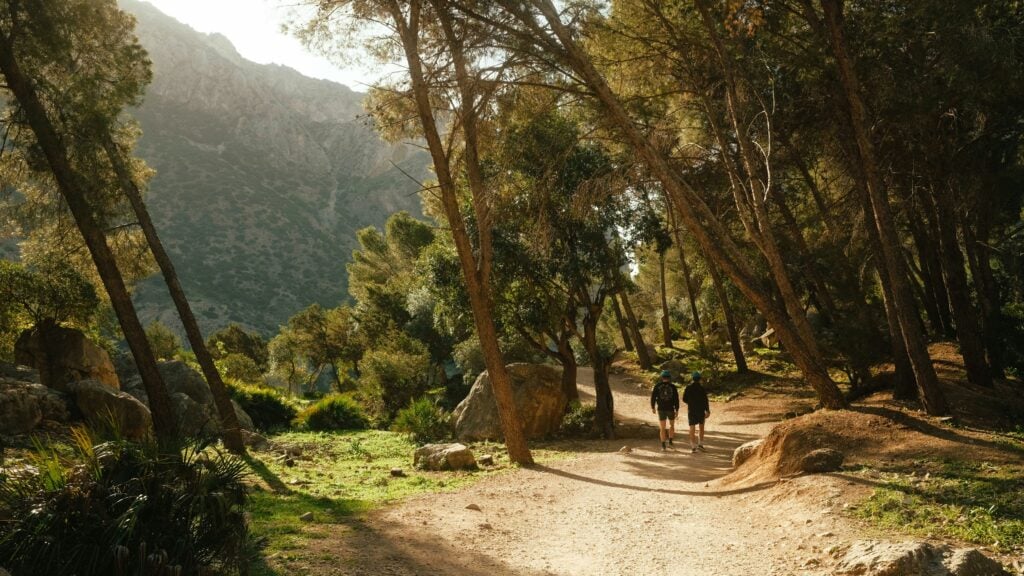
Surrounded by pine forests, cliffs and quiet coves, the area offers hiking, swimming and kayaking – and remains far less crowded than many coastal hotspots.
From the Mirador de los Tres Embalses, visitors can take in one of the most breathtaking panoramic views in Andalucía.
An overlooked gem
While many travellers pass through on their way to the Caminito del Rey, Ardales itself remains relatively undiscovered.
But with its combination of ancient history, rare prehistoric art and stunning natural scenery, it stands out as one of the most complete destinations in Málaga.
Read more Andalucia news at the Spanish Eye.