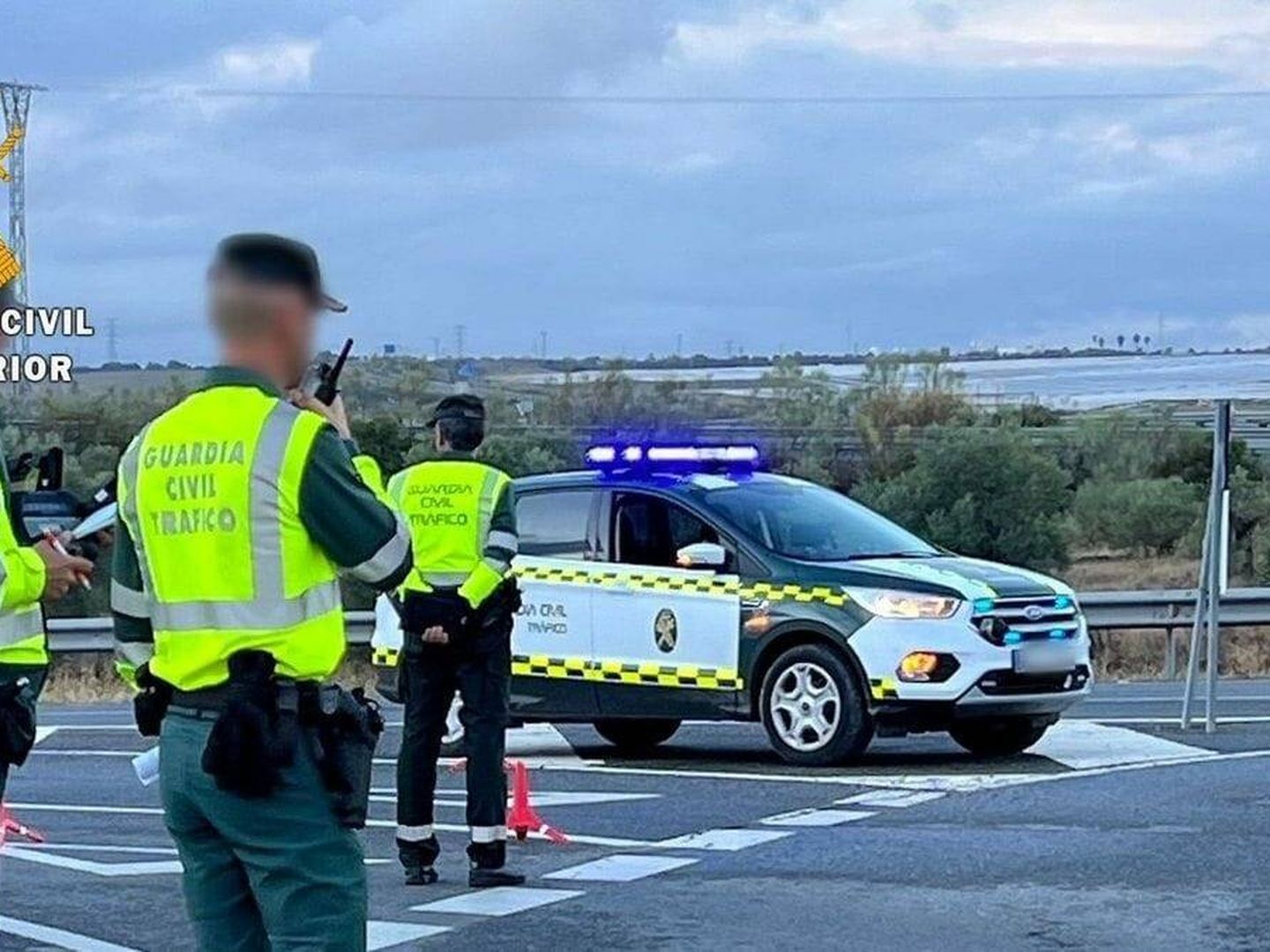

Drivers returning from Easter holidays are being warned that Spain’s roads are under tighter surveillance than ever and that many of the speed cameras are designed to go unnoticed.
The Direccion General de Trafico (DGT) has ramped up controls during one of the busiest travel periods of the year, deploying so-called ‘invisible’ radars across the country.
Despite the name, these devices aren’t actually invisible, but are harder to spot.
They are carefully concealed within the environment, be that hidden on traffic signs, mounted on guardrails, placed on tripods or even integrated into Guardia Civil vehicles.
The aim is to catch drivers who only slow down when they spot a traditional speed camera.
Technically, they function just like standard radars, measuring speed with high precision and capturing clear photographic evidence of offences.
The crackdown comes as speeding remains a major issue on Spanish roads.
According to Automovilistas Europeos Asociados, more than 3.4 million speeding fines have been issued in recent years, a record figure that highlights the scale of the problem.
Drones and helicopters also in play
Around 40 drones have also been deployed, particularly on secondary roads and accident-prone areas, while a fleet of Pegasus helicopters is monitoring traffic from above.
These aircraft can detect speeds ranging from 80km/hr to well over 300km/hr from heights of around 700 metres, making it almost impossible for offenders to go unnoticed.
A high-risk period
Easter is one of the most dangerous times of the year on Spain’s roads, with millions of journeys taking place over a short period.
Authorities say the increased use of covert technology is designed to improve safety.