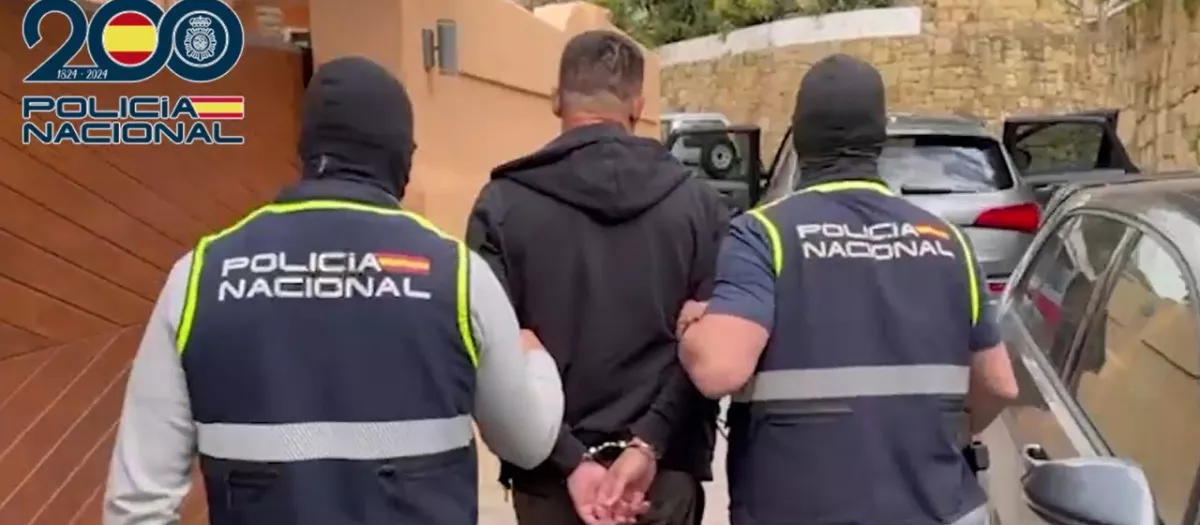

The alleged mastermind behind Ceuta’s sprawling narco tunnel network threatened to blow it up as police closed in, according to explosive wiretaps uncovered during the investigation.
Mustapha Chairi Brouzi, described by investigators as one of the most significant hashish traffickers operating between Morocco and Spain, was recorded saying: ‘I’m going to make it explode… I’m going to detonate it’, after learning authorities were onto him.
The comments came after a key witness pointed directly to him as the man behind the underground tunnel system used to smuggle huge quantities of drugs into Spain, reports national Spanish newspaper ABC.
A powerful cross-border player
According to police, Brouzi was far from a low-level operator.
He allegedly sat at the centre of a transnational network with links spanning Spain, Morocco and even Latin America, coordinating the movement of large-scale hashish shipments into Europe.
Investigators say he built his operation on a mix of logistics, contacts and intimidation, relying on trusted lieutenants and mid-level operatives recruited from across Europe, including Germany and Sweden.
Wiretaps suggest he operated with a sense of near impunity, confident in both his infrastructure and his network.
The Moroccan businessman, dubbed ‘the Narco-Architect’, is a 45-year-old resident of Fnideq, a Moroccan town across the river from Ceuta.
He was both a family man who owned several businesses and hotels and the alleged leader of a major drug mafia.
The tunnels that made him untouchable
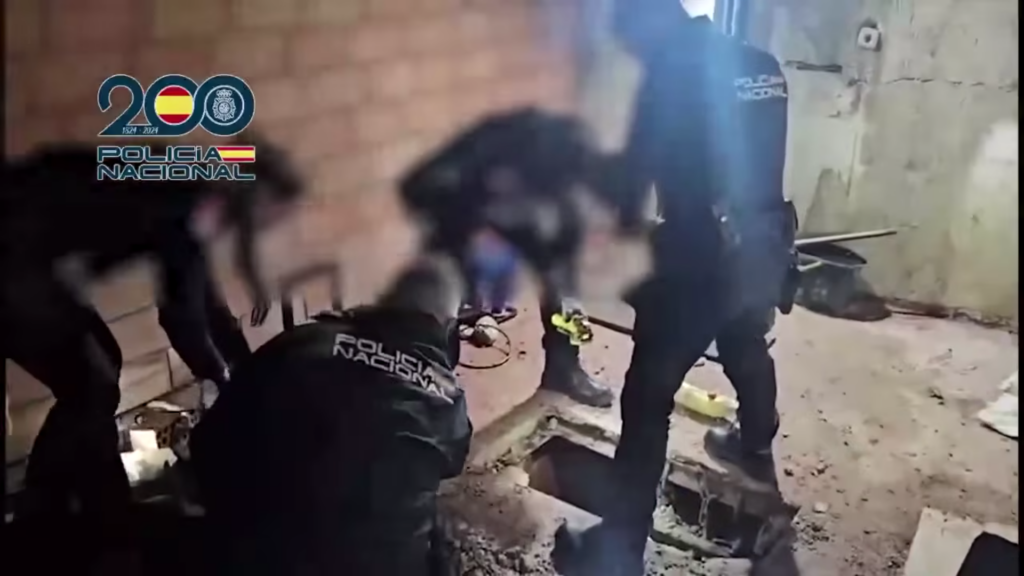
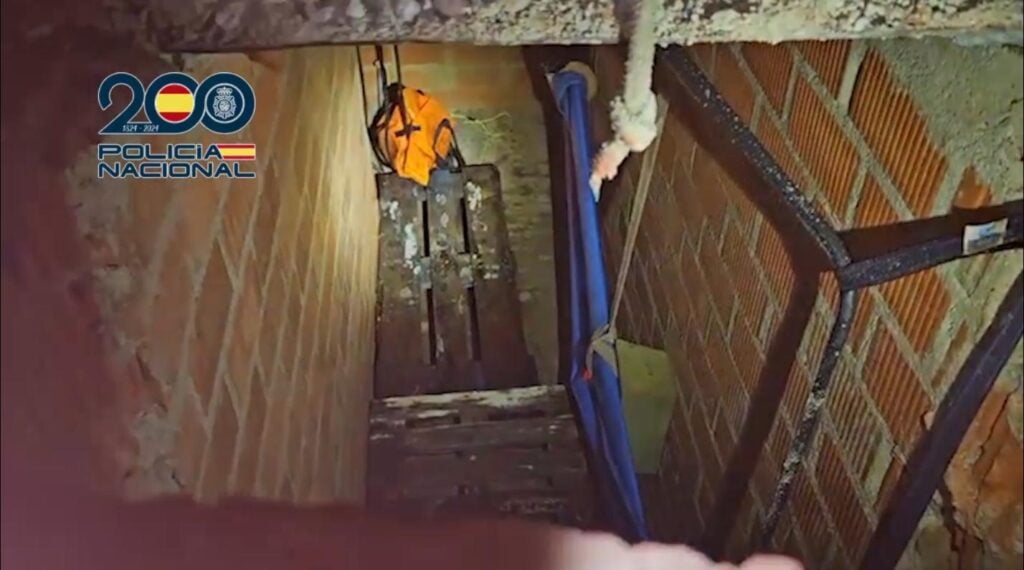
At the heart of the operation were the narco tunnels themselves – highly sophisticated underground passages designed to bypass one of Europe’s most heavily guarded borders.
These weren’t rudimentary holes in the ground.
Police say they were equipped with rails, carts, pulley systems and even lifting mechanisms, allowing traffickers to move tonnes of hashish efficiently and discreetly from Morocco into Ceuta.
Investigators believe the network was capable of shifting up to eight tonnes of drugs per month through these tunnels.
Panic as the net tightened
The recordings reveal a turning point. Once Brouzi realised the investigation was advancing – and that a ‘chivato‘ (informant) had exposed him – his tone changed dramatically.
In one conversation, he not only threatened to detonate the tunnel but also spoke of revenge against the man he believed had betrayed him.
Police interpreted this as a clear sign of mounting pressure and fear.
Destroying evidence
Crucially, the case has revealed that Brouzi may have tried to stay one step ahead of investigators.
In another intercepted exchange, he claims to have already ‘closed’ one of the tunnels before police arrived, in a move seen as an attempt to remove drugs and erase evidence.
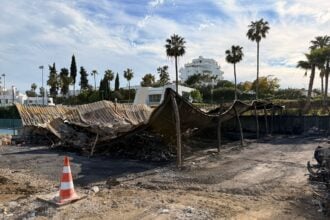
When officers later carried out searches, they found a tunnel that had clearly been used but had already been rendered inoperable.
More tunnels than first thought
The investigation has also exposed the true scale of the operation.
Authorities now believe the network operated multiple tunnels, not just one.
One previously reported tunnel reached depths of around 19 metres, while a second, until now unknown, was sealed before police intervention.
A third tunnel was also uncovered in a separate Guardia Civil operation in 2025.
Months of surveillance
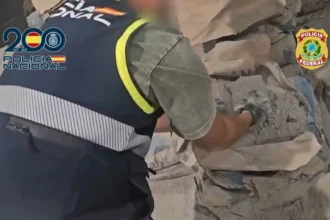
The Policía Nacional, through its elite Udyco unit, spent months tracking the group using surveillance, hidden microphones and wiretaps.
What emerged, investigators say, is one of the most sophisticated drug-smuggling operations ever uncovered on the Costa del Estrecho.
Read more Andalucia news at the Spanish Eye.