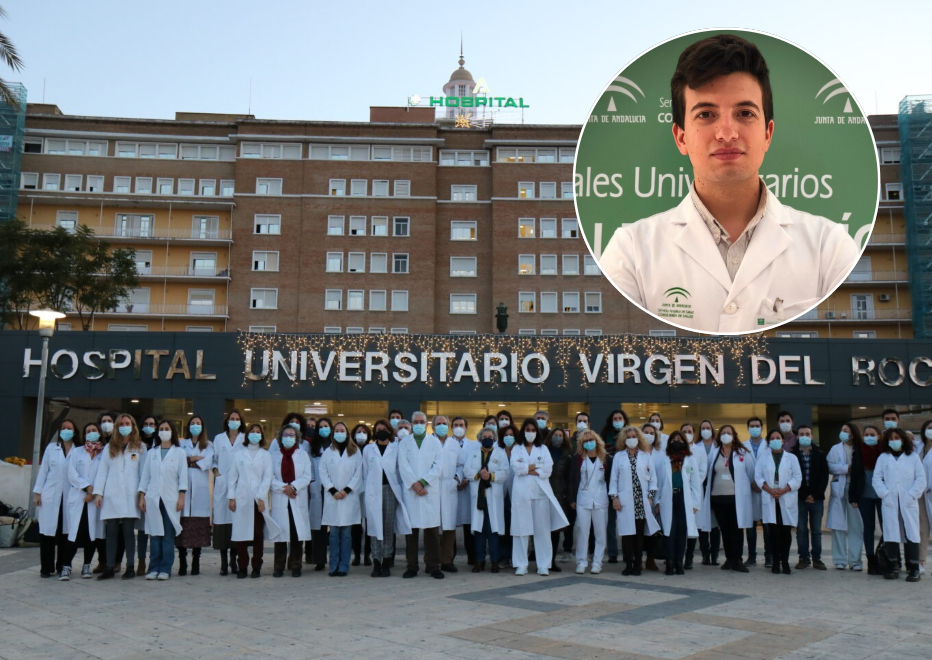

A hospital in Sevilla has become internationally recognised for its world-class treatment of burns victims.
The Hospital Universitario Virgen del Rocio, in the heart of the Andalucian capital, serves over 11 million people, covering not only southern Spain, but also parts of north Africa and the Canary Islands.
The decision to transfer the seriously injured victim of the Almeria bar explosion indicates its reputation.
The hospital’s Unidad de Grandes Quemados (Major Burns Unit) is widely regarded as the leading centre of its kind, a status built on scale, expertise and cutting-edge treatment.
A referral hub for millions
The unit acts as the official reference centre for Andalucia, the Canary Islands, Ceuta and Melilla, and also receives critically injured patients from across north Africa.
In total, it serves a population of around 11 million people.
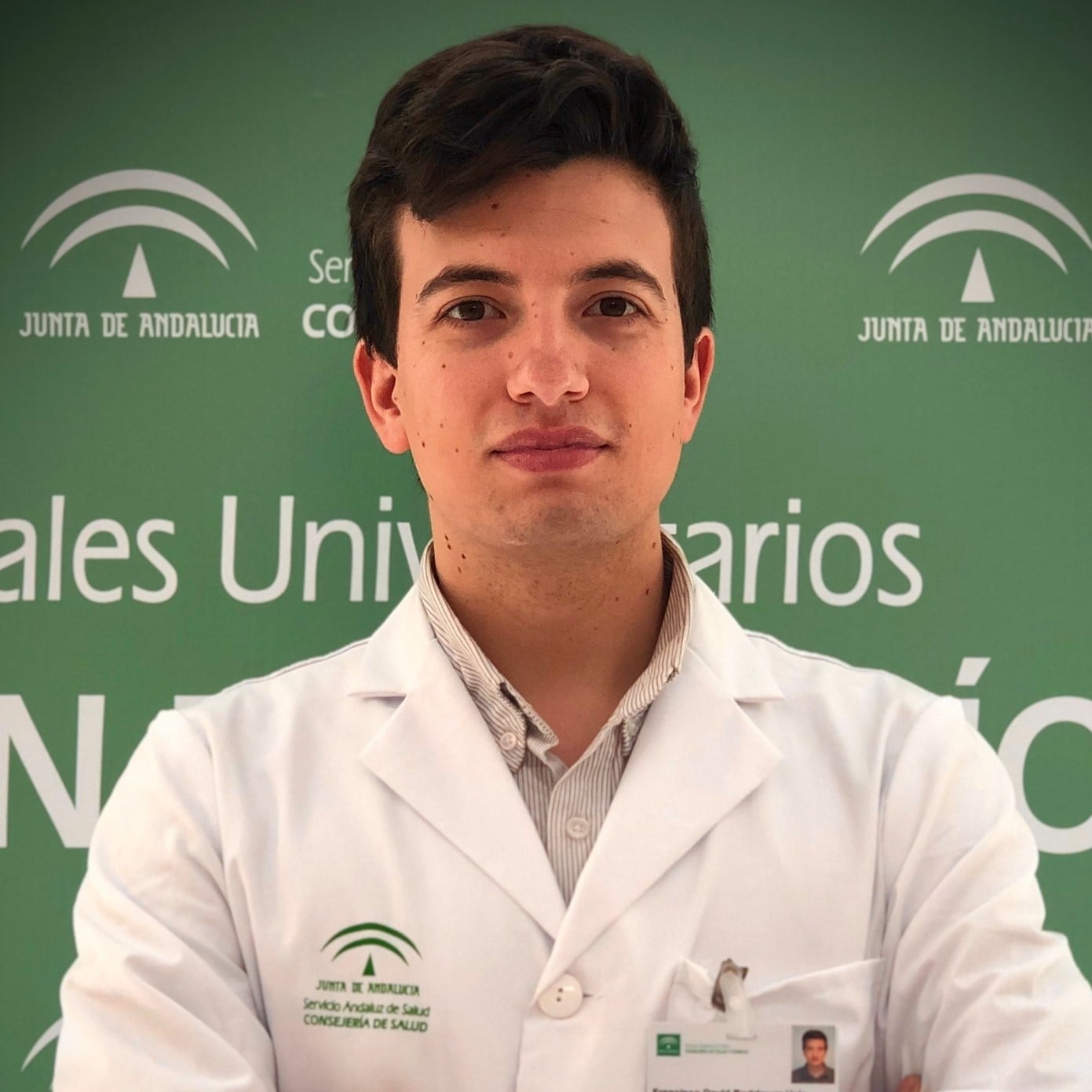
‘We meet all the requirements to be a reference centre, in terms of beds, resources, professionals and, above all, experience,’ explained coordinator David Rodriguez, speaking to COPE last year.
The unit handles between 120 and 150 major burn cases each year, which is a high volume for injuries that require some of the most complex care in modern medicine.
Where the most critical cases are treated
Patients arriving at the unit are often in life-threatening condition, with extensive burns requiring immediate and highly specialised intervention.
The first weeks are crucial, and treatment takes place in isolated units, with intensive monitoring and complex wound care.
A multidisciplinary team, including plastic surgeons, anaesthetists, intensive care specialists, ophthalmologists, psychiatrists and highly trained nurses, works in tandem to stabilise patients and begin recovery.
Hospital stays vary depending on the severity of injuries. While the average admission lasts between 15 and 20 days, the most serious cases can remain in hospital for up to nine months.
The hidden toll of burn injuries
Beyond the physical trauma, burns patients often face profound psychological consequences.
‘The burn patient has wounds on the skin and in the soul,’ Rodriguez said. ‘It takes a huge toll. These are people whose lives change completely.’
Post-traumatic stress is common, particularly in cases linked to workplace accidents or suicide attempts, which are two of the most frequent causes of severe burns treated at the unit.
To address this, the hospital integrates mental health care into treatment, with psychologists, psychiatrists and even music therapists working with patients during long recovery periods.
Pioneering treatments and medical advances
The Virgen del Rocio is also at the forefront of innovation.
In a major breakthrough, the hospital has become one of the first in Spain to use a patient’s own skin as a form of ‘living medicine’.
In cases where there is not enough healthy skin available for grafts, doctors can grow and expand the patient’s cells in a lab to recreate skin for transplantation.
This kind of regenerative treatment represents the cutting edge of burns care, and is one of the reasons the hospital continues to attract the most critical cases from across the region.
Read more Andalucia news at the Spanish Eye.