
Stock markets have been rocked by the fallout from the Iran conflict, with Spain’s IBEX 35 suffering its worst monthly drop in four years.
The index fell 7.1% in March, marking its sharpest decline since June 2022 during the early months of the Ukraine war, as investors reacted to soaring energy prices and growing fears of a global economic slowdown.
Just weeks ago, markets had been hovering near record highs, buoyed by easing trade tensions and expectations of stable central bank policy.
Energy shock sparks sell-off
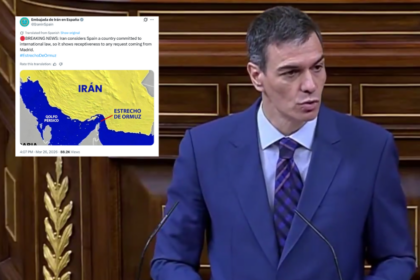
The turning point came with the closure of the Strait of Hormuz – a key route for around a fifth of global oil supply – and the subsequent surge in crude prices.
The escalating crisis has raised the prospect of a fresh global energy shock, prompting investors to pull money out of equities and move into safer assets.
Since the conflict began, the 35 companies that make up the IBEX have collectively lost almost €76.2 billion in market value.
Winners and losers
Losses have been concentrated among firms most exposed to energy costs and global trade.
Indra has been the worst performer, down 26%, followed by ArcelorMittal (17%) and Grifols (11%).
Energy companies, however, have moved sharply higher.
Repsol has surged 22% over the month, while Solaria is up 20% and Enagas has gained 17.5%, buoyed by rising oil and gas prices.
Global markets follow suit
The sell-off has spread across global markets.
South Korea’s Kospi index has dropped nearly 20% since late February, while Dubai’s DFM index has fallen more than 16%.
Across Europe, major indices have also posted heavy losses, with Germany’s DAX down 9.5%, France’s CAC 40 falling 8.7% and Italy’s FTSE MIB slipping 6%.
Wall Street is now on course for its worst quarter in four years.
Oil posts record surge
At the centre of the market turmoil is oil. Brent crude has climbed to around $118 a barrel, marking a 55% increase in March alone – the largest monthly rise on record.
The surge surpasses previous spikes seen during major geopolitical crises, including the Gulf War in 1990.
With energy prices continuing to climb, markets are now bracing for further volatility and the risk that the conflict’s economic impact is only just beginning.