
If you’re looking for a classic white village with real history behind it, this town should be high on your list.
Tucked into the hills of Malaga province, it has repeatedly been named one of the most beautiful in Andalucia – and it comes with a story that goes all the way back to ancient Rome.
Spain’s Roman past still shapes much of the country today, but few places wear it quite as visibly as Casares.
Back when Hispania was one of the most important provinces of the Roman Empire, the region played a key role in supplying resources and driving economic growth across the empire.
A visit from Julius Caesar
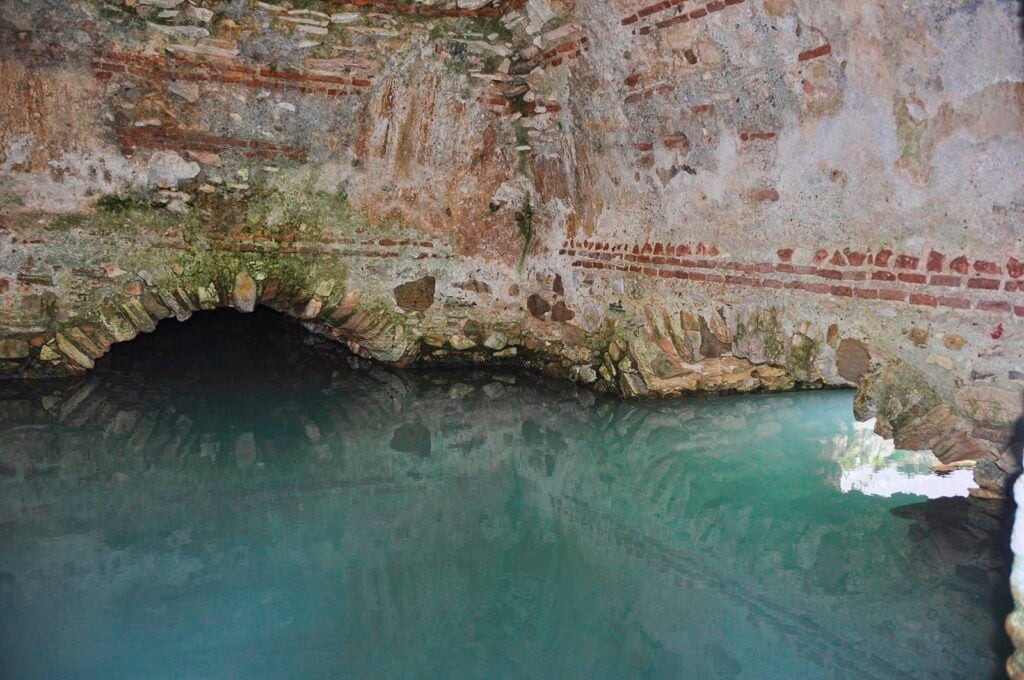
Around 61 BC, Julius Caesar is said to have spent time in Casares, staying near the Baños de la Hedionda.
These natural sulphur baths were believed to have healing properties, helping to treat a liver condition he suffered from.
According to local tradition, Caesar was so grateful that he ordered the construction of Casares itself, giving the town its name and helping it gain recognition across Roman territories.
An Arabic hilltop town
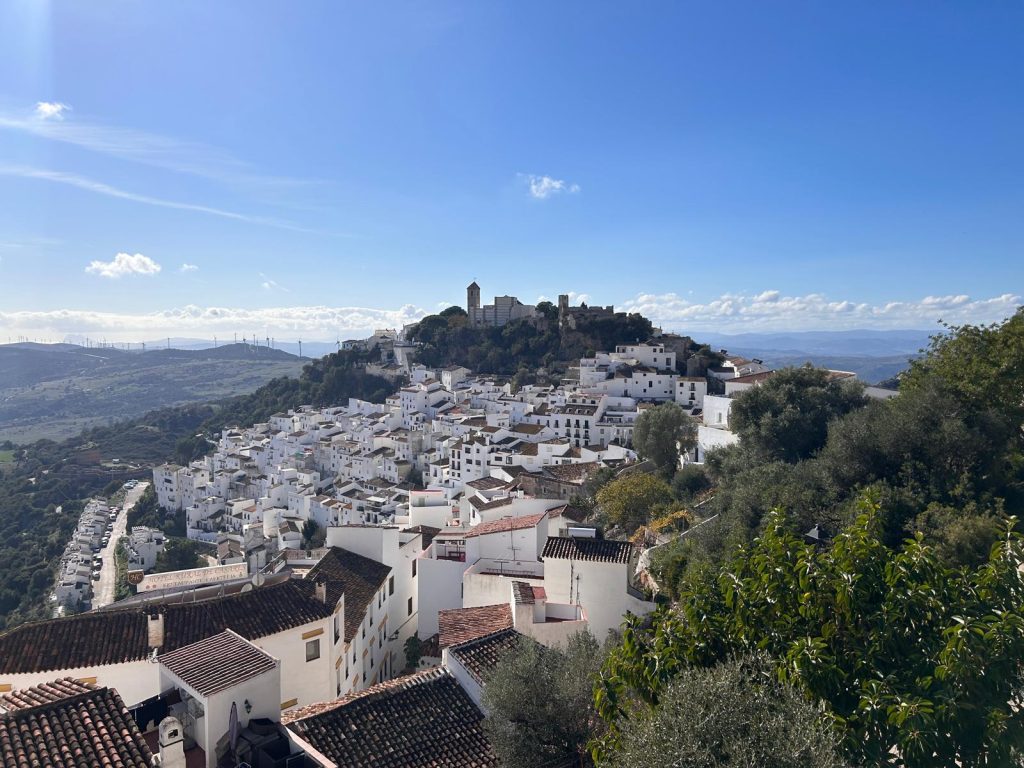
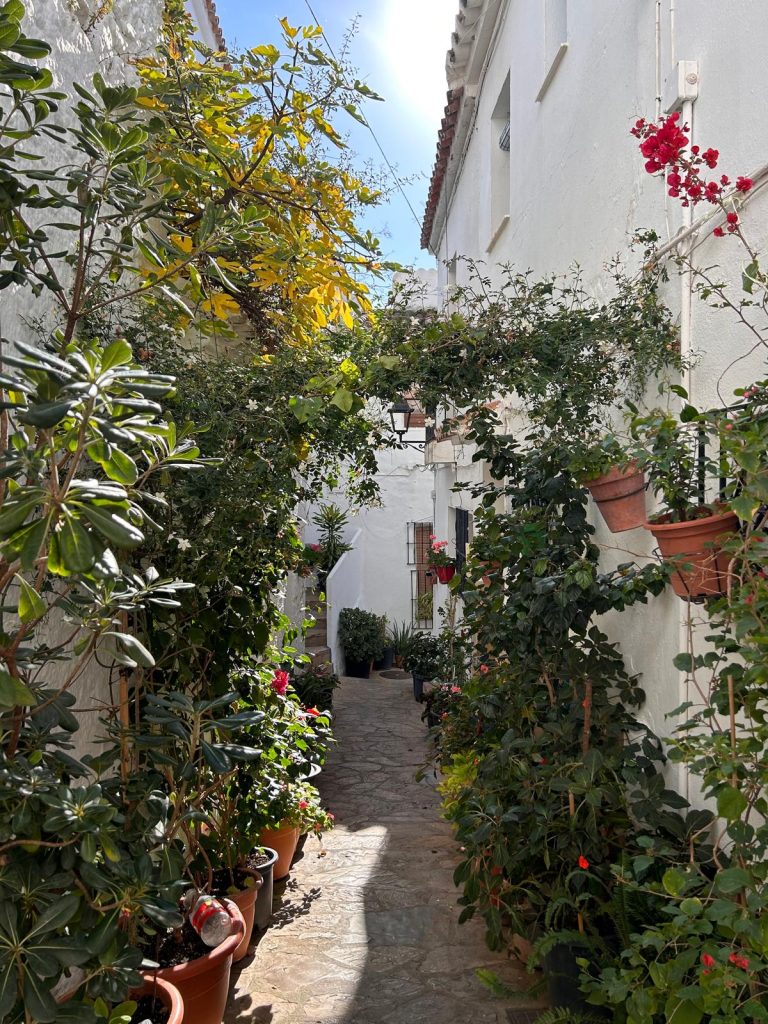
While its origins go back to Roman times, the Casares you see today is largely shaped by its Moorish past.
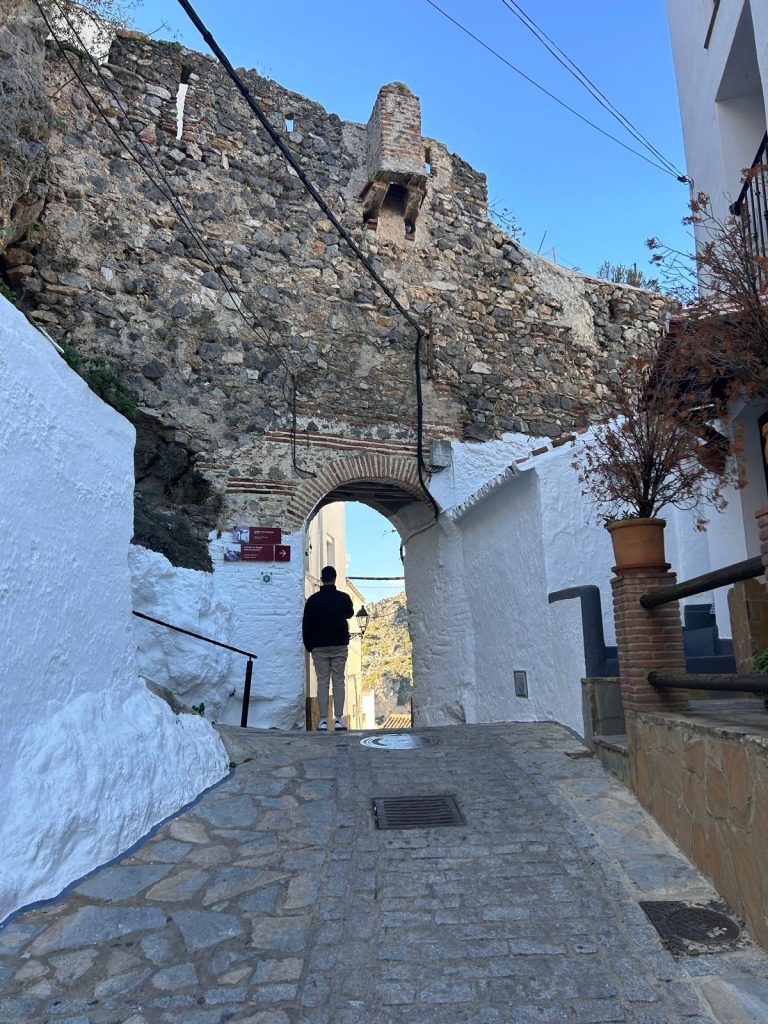
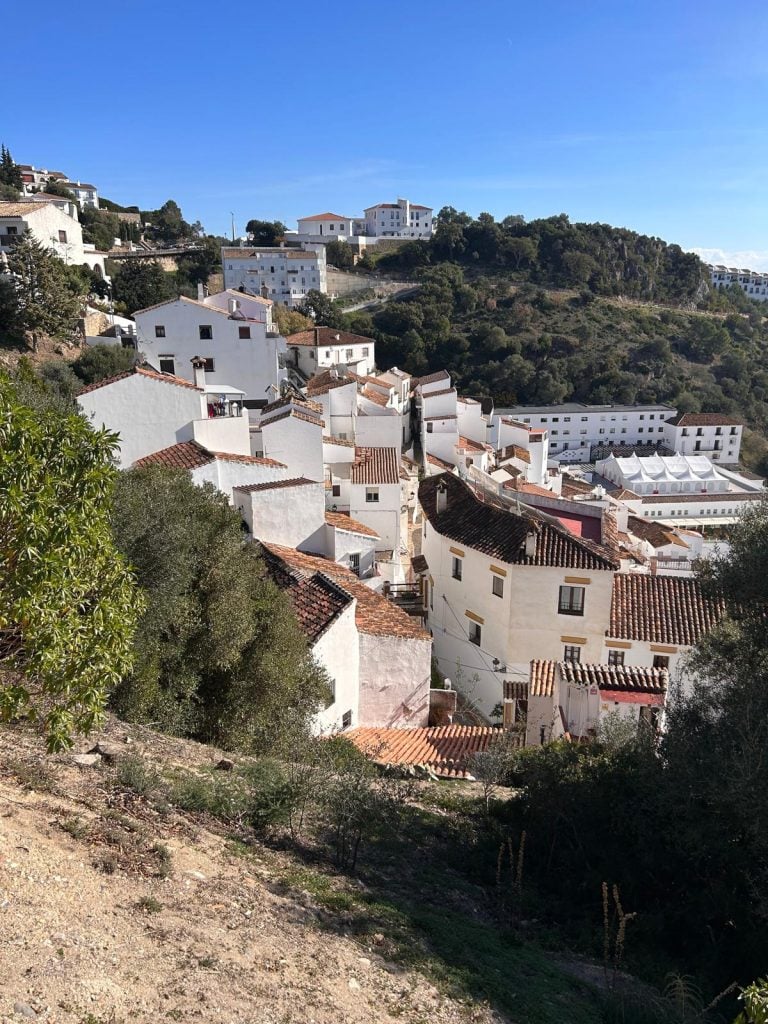
The steep, winding streets and whitewashed houses climb dramatically up the hillside, leading to the remains of a 13th-century castle perched on the rock above.
Among its standout landmarks is the Church of La Encarnacion, built on the site of an old convent. Its Mudejar-style bell tower and quiet courtyard add to the town’s layered history.
Walking through Casares feels like stepping through different eras at once – Roman roots, Islamic architecture, and later Christian influences all in one place.
Birthplace of Blas Infante
Casares is also known as the birthplace of Blas Infante, often described as the father of Andalusian identity.
His former home has been turned into a museum, offering a closer look at his life and legacy.
Roman remains and natural beauty
For those interested in its ancient past, there’s more to explore nearby.
The archaeological site of Lacipo overlooks the valley, while the Baños de la Hedionda still welcome visitors who want to bathe in the same waters linked to Caesar.
You can also find a well-preserved Roman bridge close to the baths, adding another tangible link to the town’s origins.
From mountains to sea
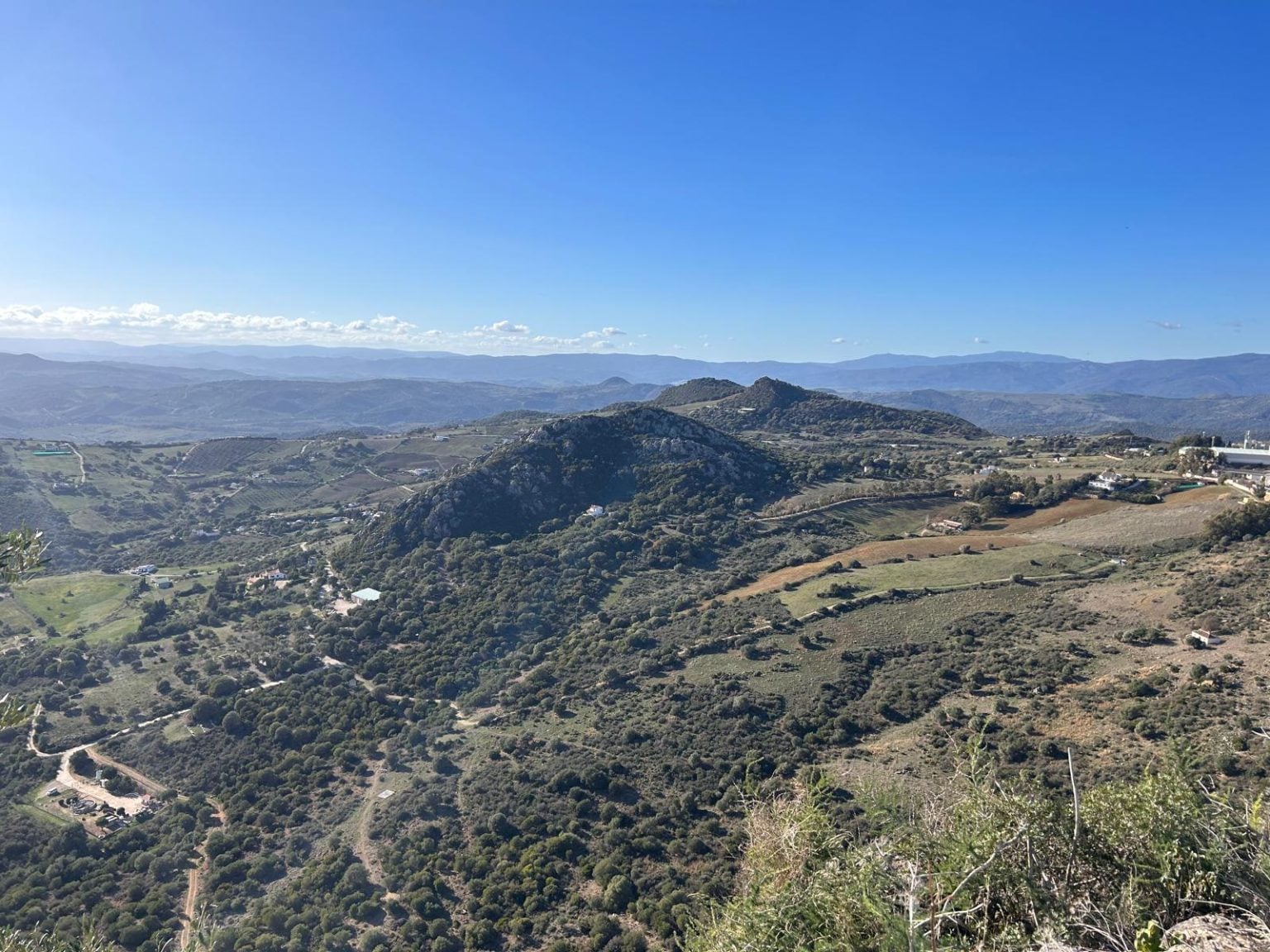
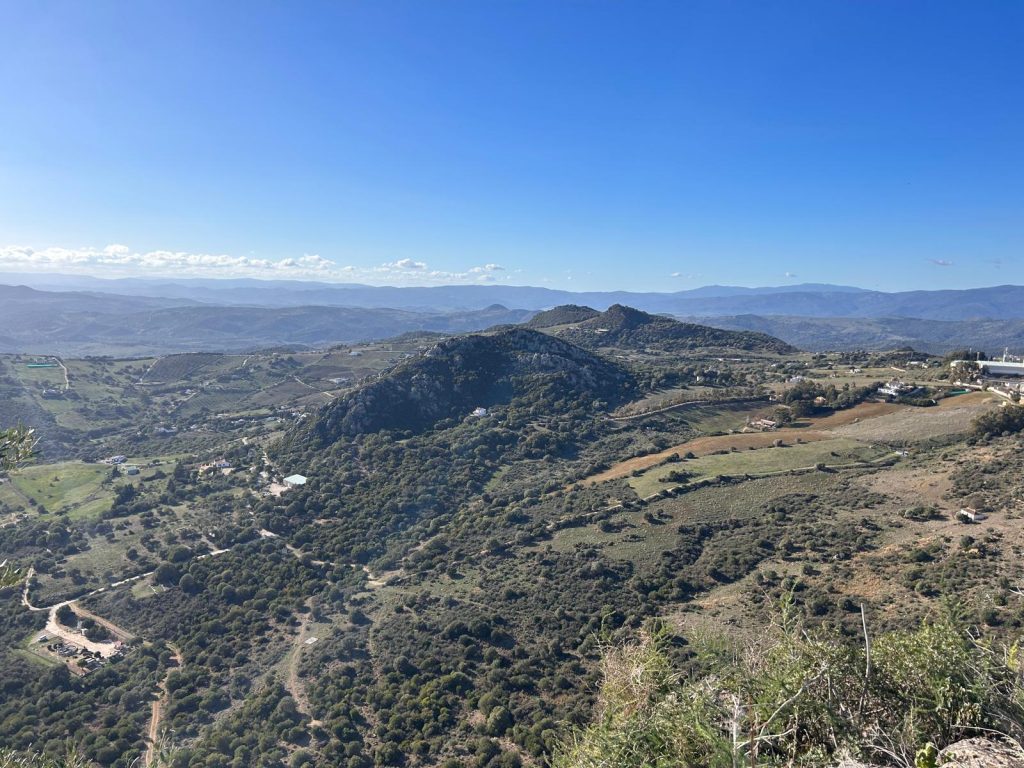
Although Casares sits inland, the municipality stretches all the way to the coast. Just a short drive away, you’ll find quieter beaches like Playa Ancha, ideal for a relaxed day, and the more rugged Playa de la Sal.
Here, the Torre de la Sal – a historic coastal watchtower dating back to before the 16th century – stands as a reminder of the area’s strategic importance long after the Roman era.
Small, historic, and packed with character, Casares blends centuries of history with some of the best views in southern Spain.
Read more Andalucia news at the Spanish Eye.