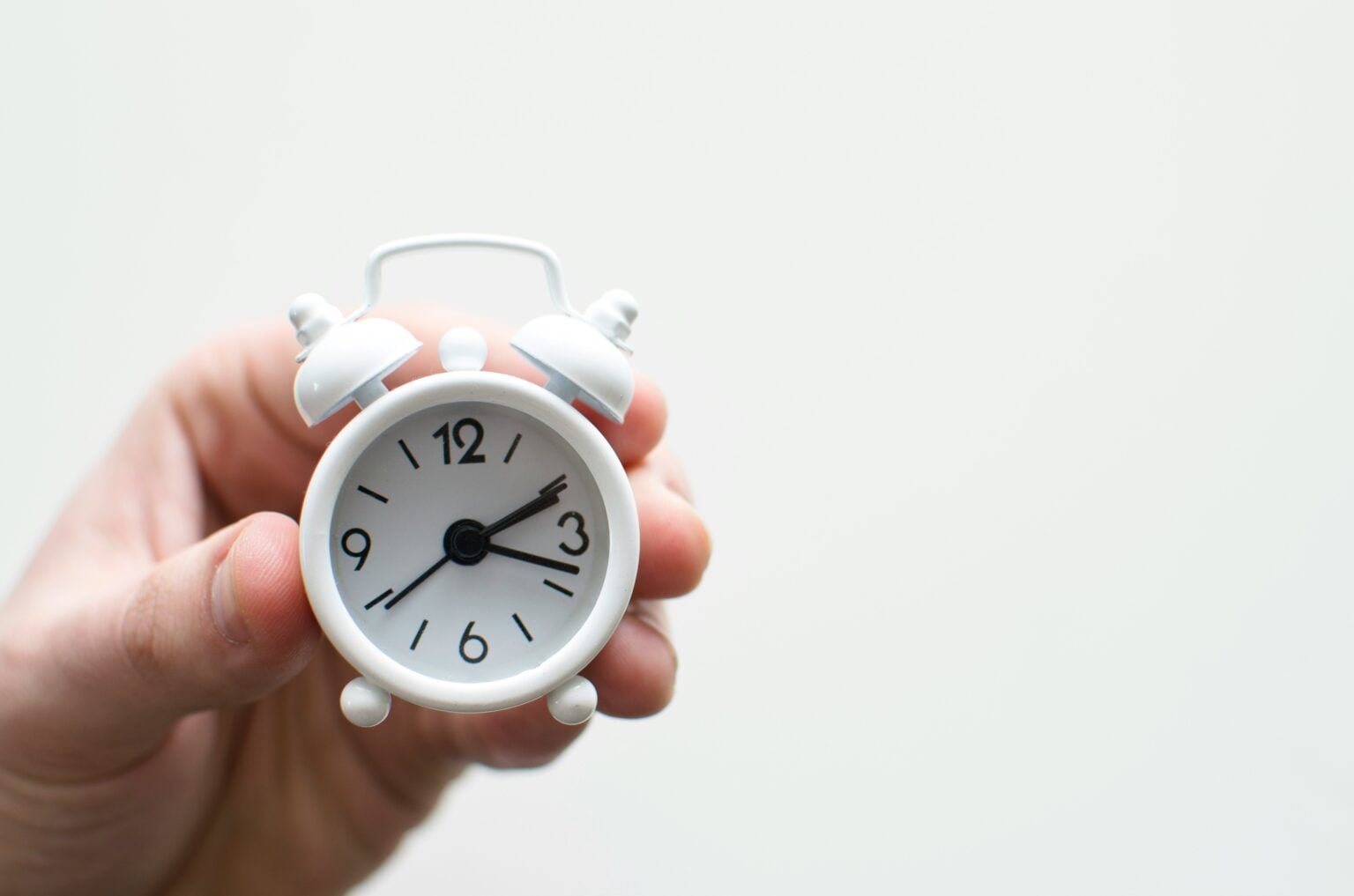

Spring is finally here and with it comes longer days, brighter evenings and the annual clock change across Spain.
This weekend, the country will officially switch to summer time, marking the shift towards lighter evenings and shorter nights.
In 2026, the time change will take place in the early hours of Sunday, March 29.
The adjustment happens overnight, between Saturday and Sunday.
What time does it happen?
At 2am, clocks will move forward one hour to 3am.
That means you’ll lose an hour of sleep but gain an extra hour of daylight in the evening.
In the Canary Islands, the change happens at 1am, when clocks move forward to 2:00am.
Most phones, computers and smart devices will update automatically, so you likely won’t need to do anything.
Why do we change the clocks?
Spain first introduced daylight saving time back in 1918, during World War I, as a way to make better use of daylight and reduce energy consumption.
The system wasn’t always consistent, but it was reintroduced more firmly in the 1970s during the oil crisis.
Since the 1980s, the dates have been coordinated across the European Union.
Will Spain stop changing the clocks?
The debate about scrapping changing of the clocks has been ongoing for years.
The EU has previously discussed allowing countries to choose a fixed time year-round. However, no final decision has been made.