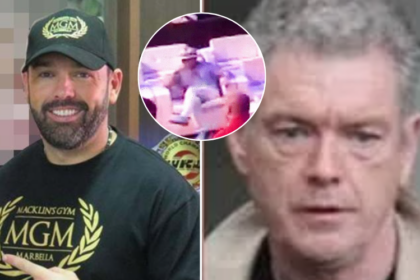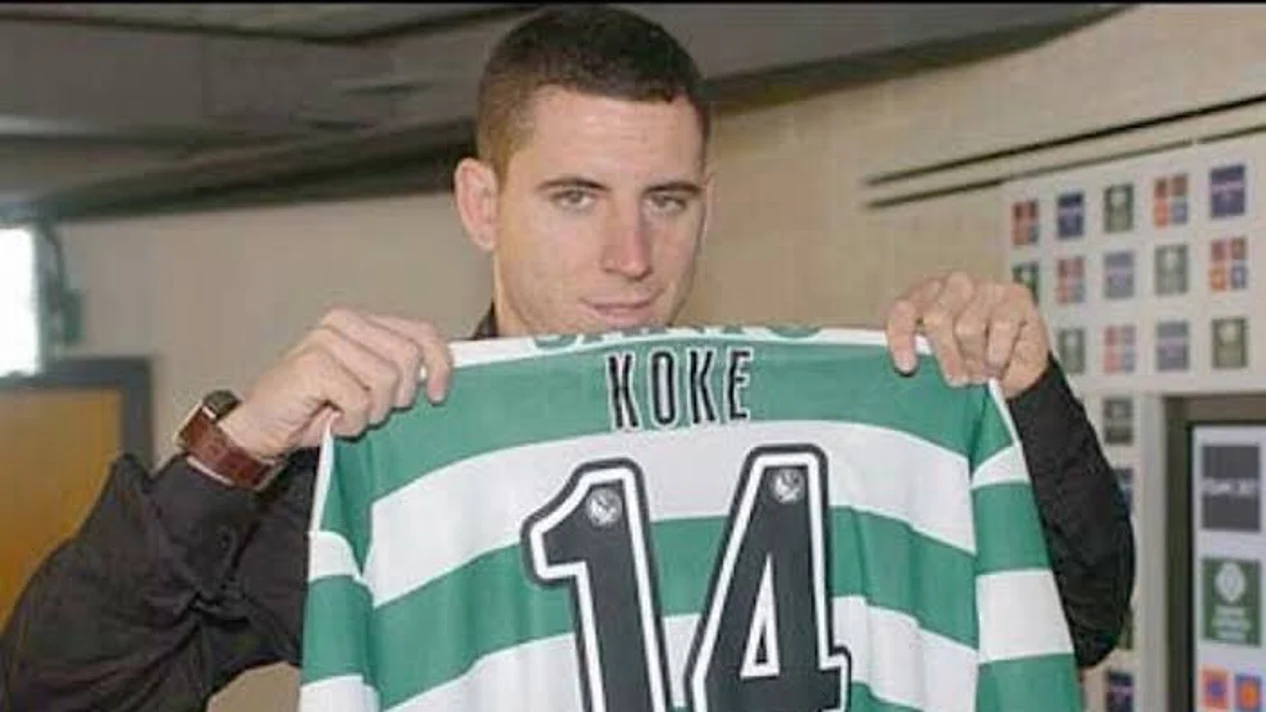

A former La Liga footballer who became a narco boss after retiring from the game has issued a warning about the drugs business.
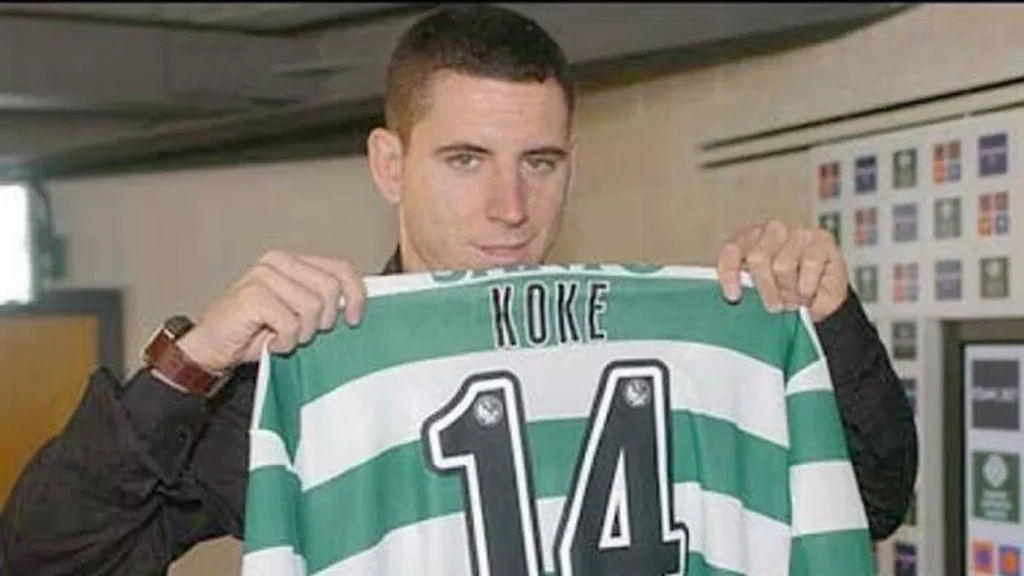
Sergio Contreras Pardo, known to fans as Koke, debuted for Malaga FC at just 19 and went on to play in nine countries during a globe-trotting career.
But after retiring from football in 2019, Koke returned to the headlines for a very different reason after he was arrested for leading a drug trafficking network operating on the Costa del Sol.
In 2023, after admitting the offence in court, he was sentenced to six years in prison and fined. His sentence runs until 2028, although he is currently in semi-liberty under Spain’s third-degree prison regime. He wears an electronic ankle tag and must follow strict curfews.
In an interview with Malaga Hoy this week, he reveals how he fell into the ilicit business and warned others that it’s ‘not at all worth it’.
Koke’s conviction
Koke’s gang was dismantled by the Guardia Civil in November 2019 as part of Operation Vinculada.
A court heard how the organisation vacuum-sealed drugs, usually marijuana, once acquired, and delivered them via foreign couriers to the rest of Europe.
The logistical structure was sophisticated, and according to the Organised Crime and Anti-Drug Team (EDOA), the process of apprehending those arrested was ‘very complex’.
Koke’s brother and partner were also involved in the legal proceedings. While his brother handled logistical tasks, his partner did the same with financial management, arranging the delivery of the amounts of money, a court heard.
While prosecutors sought 16 years, he was eventually handed six and is now out on probation.
Speaking about his experience to Malaga Hoy, Koke this week said he now regrets the decisions that led him into the world of organised drug trafficking.
From footballer to trafficker
The headline ‘leader of a drug trafficking gang’ still shocks him when he hears it, he said.
‘It sounds very strong,’ he admitted. ‘When you hear ‘drug trafficking boss’ you imagine what you see in TV series or films. My case was very different. Obviously I was convicted for a reason, but I’m not a violent or dangerous person.’
He insisted the situation developed gradually rather than through a calculated plan.
‘It doesn’t happen overnight. It starts with something small, something you don’t think is important. You start making money and you don’t see the danger. Then it grows and grows.
‘At the time you don’t stop to think about the risk. And when you’re earning money like that it’s difficult to walk away. The only way it stops is when everything collapses.’
For Koke, that collapse came in the form of arrest, trial and prison.
‘The blow comes and you pay for it dearly,’ he said. ‘Sometimes that’s the only way to understand what you were doing.’
He rejects the idea that he was motivated by adrenaline or by chasing easy money.
‘It’s not easy money when you’re risking your freedom,’ he explained.
‘It was more about ignorance and not understanding what could happen if things went wrong. I treated it almost like a game, and I didn’t realise the seriousness.’
Life in prison
Koke spent three years behind bars before moving into semi-liberty.
‘Prison isn’t the best place for anyone,’ he says. ‘But strangely it’s a place where you learn to value things.’
Inside, he tried to keep a routine, adding: ‘I read a lot of books. Every day I read the newspapers first. I trained and played football inside as much as I could.’
He also shared the experience with his brother, who was incarcerated at the same time, saying that they helped each other get through the ‘bad days’.
Despite the difficult environment, he says he also encountered people he now considers friends.
‘In prison you see the human side of people. You meet all kinds of people – some very bad, some very good. Anyone can end up there,’ he said.
The hardest part, however, was the impact on his family.
‘I come from a humble, hardworking family. Nobody raised me to do something like this,’ he said.
‘My parents had nothing to do with the mistakes I made, but they’ve suffered the consequences since 2019.’
Living with the consequences
Even now, Koke says life under supervision is difficult.
‘I’m not completely free. I have to be very careful about everything I do,’ he explained.
The ankle tag makes him feel constantly judged in public.
He added: ‘You sit somewhere and people look down at your ankle and start wondering what you’ve done. Society judges you immediately.’
He also fears making even a minor mistake as he will ‘go straight back to prison.’
Despite the stigma, he says many friends have remained loyal.
‘I’m lucky. I still have the same people around me who have always been there,’ he said.
Lessons for the future
Koke says his experience has taught him a harsh lesson – and one he hopes others learn from without having to repeat his mistakes.
‘The truth is that this world only ends one way,’ he said. ‘Either prison or something worse.’
Rebuilding a life after prison is not easy, he adds, but for now, his focus is on his family – especially his two daughters.
‘With my youngest, I try to speak openly about everything I’ve done and what happened,’ he said.
‘I want her to understand life as it really is – what’s right and what’s wrong – so she can make better decisions than I did.’
Looking back on his experience, Koke has a clear message for anyone tempted by the world he briefly entered: ‘It’s not worth it, not at all.’
Read more Andalucia news at the Spanish Eye.