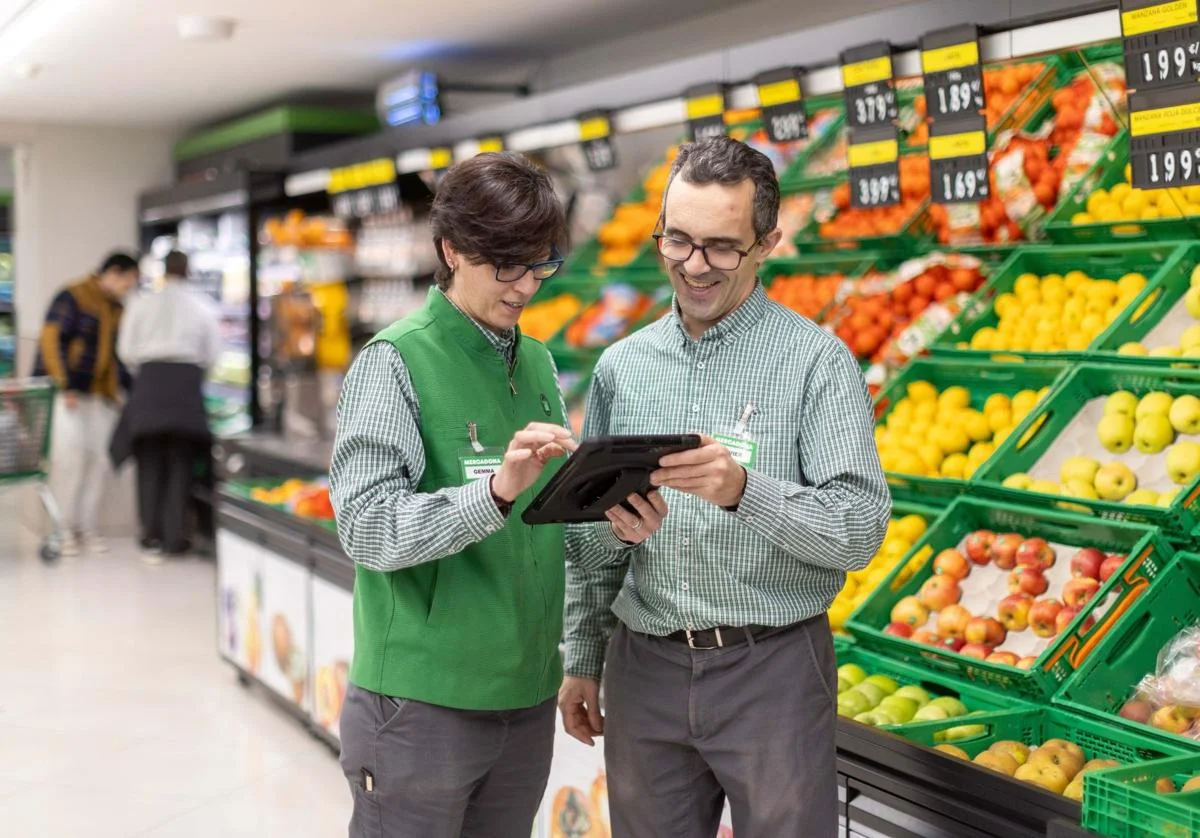

Spain’s biggest supermarket has warned food prices could rise if the conflict with Iran pushes up the cost of raw materials, despite posting record profits of €1.7 billion last year.
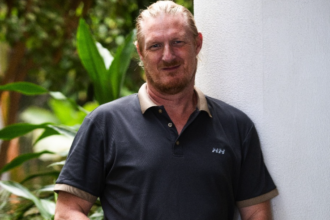
Mercadona president Juan Roig said the impact of the conflict remains uncertain and that the retailer may have to increase prices if production costs rise.
The warning came as Mercadona announced a record net profit of €1.729 billion for 2025, cementing its position as the country’s dominant chain.
Sales increased by eight percent to €41.9 billion, with €39.8 billion generated in Spain and €2.1 billion in Portugal.
Despite the strong results, Roig said the geopolitical situation could still affect the business.
‘We don’t know what’s going to happen,’ he said during the presentation of the company’s annual results.
‘Entrepreneurs are like surfers – we are on the board and waves keep coming. We will deal with whatever wave arrives.’
Roig explained that any increase in supermarket prices would depend directly on the cost of raw materials.
‘If prices go up, we go up. If they go down, we go down,’ he said.
He pointed out that Mercadona has already reduced the price of 300 products between January and early March after some costs fell.
‘All distributors want prices to go down, but we depend on raw materials,’ he added.
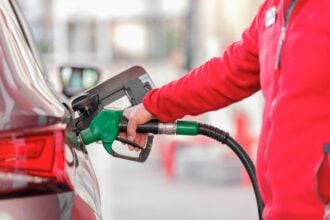
The Mercadona boss also warned that higher oil prices could affect the company’s operations.
Fuel costs impact both logistics and packaging materials, meaning a sustained rise in oil prices could eventually feed through to supermarket shelves.
However, Roig stressed that so far suppliers have not raised their prices and Mercadona has not increased prices because of the Iran conflict.
For now, the company says there has been no direct impact on supermarket prices.
Roig also used the results presentation to call for a major tax cut on food.
He said he would welcome the introduction of zero VAT on food products in Spain and Portugal if governments decide to adopt the measure.
‘It would be very good and we would love it, although it doesn’t depend on us,’ he said.
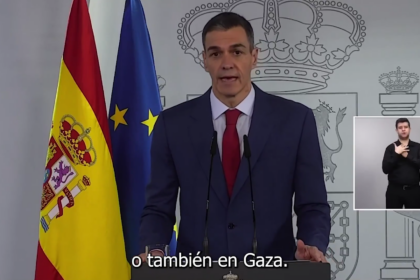
Spain’s second deputy prime minister Yolanda Díaz quickly rejected the idea.
Speaking on TVE, Diaz said lowering VAT does not necessarily guarantee lower supermarket prices.
She suggested instead that authorities may need to monitor price margins in the supermarket sector.
According to Diaz, large distribution companies in Spain operate with considerable market power and could be subject to closer oversight.
Looking ahead, Mercadona expects sales to reach €43.2 billion in 2026, with further investment planned in stores, logistics and digital services.
But Roig warned that global instability – including the war involving Iran – means the future remains unpredictable for the food industry.