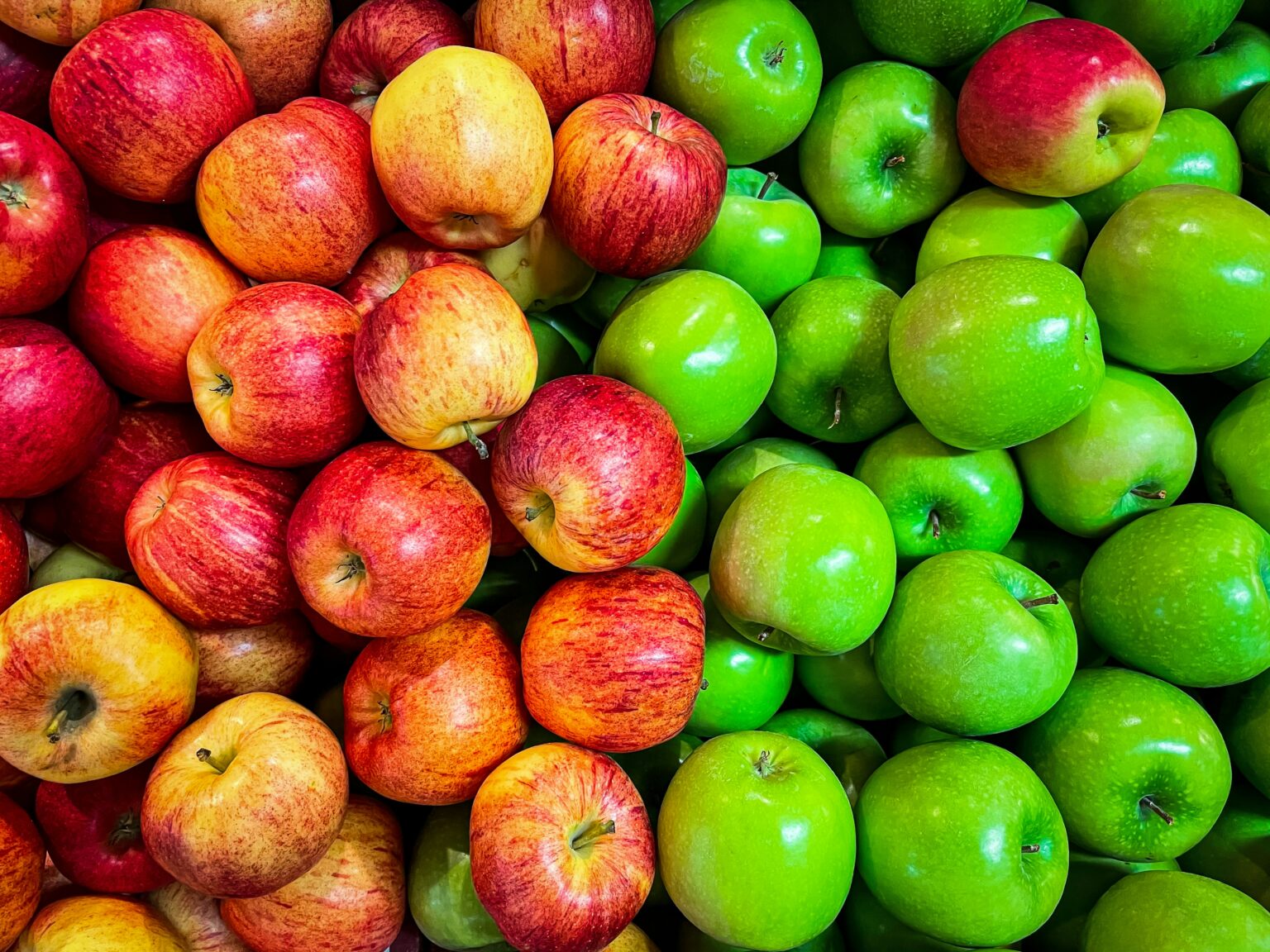

A new European study has raised alarm bells after revealing that almost all apples tested contained pesticide residues.
The report, carried out by Pesticide Action Network Europe (PAN Europe) alongside 13 other environmental organisations, analysed 59 apple samples from 13 different European countries, including Spain.
The results were stark, finding 93% of the apples contained at least one pesticide residue.
Even more concerning, the majority contained multiple chemicals at the same time.
According to the study, 85% of the apples had more than one pesticide residue, with some samples containing as many as seven different chemicals.
Researchers also found that 71% contained at least one pesticide classified by the EU as highly toxic.
Meanwhile, 64% contained PFAS pesticides – substances often referred to as ‘forever chemicals’ because they break down extremely slowly in the environment.
The report also revealed that 36% of the apples contained neurotoxic pesticides, chemicals that can affect the nervous system.
One of the substances detected most frequently was fludioxonil, found in nearly 40% of the samples.
This pesticide was classified by the EU in 2024 as an endocrine disruptor, meaning it can interfere with the body’s hormonal system.
According to PAN Europe, the chemical can be toxic to the liver and kidneys in humans and harmful to aquatic wildlife such as fish and amphibians.
The organisation says the substance should already have been banned, but claims EU member states have delayed action.
The situation was particularly concerning for apples grown in Spain.
Researchers found that 100% of the Spanish apple samples contained pesticide residues.
Around 80% had multiple pesticides, while 60% contained PFAS chemicals and 60% contained neurotoxic substances.
Scientists involved in the study say the biggest risk may come from exposure to multiple chemicals at once.
Currently, pesticides are generally assessed individually, meaning the combined impact of several chemicals in the same food is rarely considered.
However, growing research suggests that mixing residues could have stronger health effects, particularly on reproductive health.
The report also highlights another worrying finding: 93% of the apples would not meet safety limits for baby food.
European regulations set extremely strict pesticide limits for products intended for infants.
As a result, the study suggests most of the apples tested would not be allowed in processed baby foods.
PAN Europe is now urging parents to prioritise organic apples where possible.
If organic fruit is not available, they recommend peeling apples before eating them to reduce exposure to residues.
The organisation is also calling on European governments to better enforce existing pesticide laws.
Campaigners say several of the chemicals found in the study should already be banned under current EU rules because of their toxicity.
They are also urging regulators to develop new safety assessments that consider the combined impact of multiple pesticides in food.
The findings add to growing concerns about chemical exposure through everyday foods across Europe.