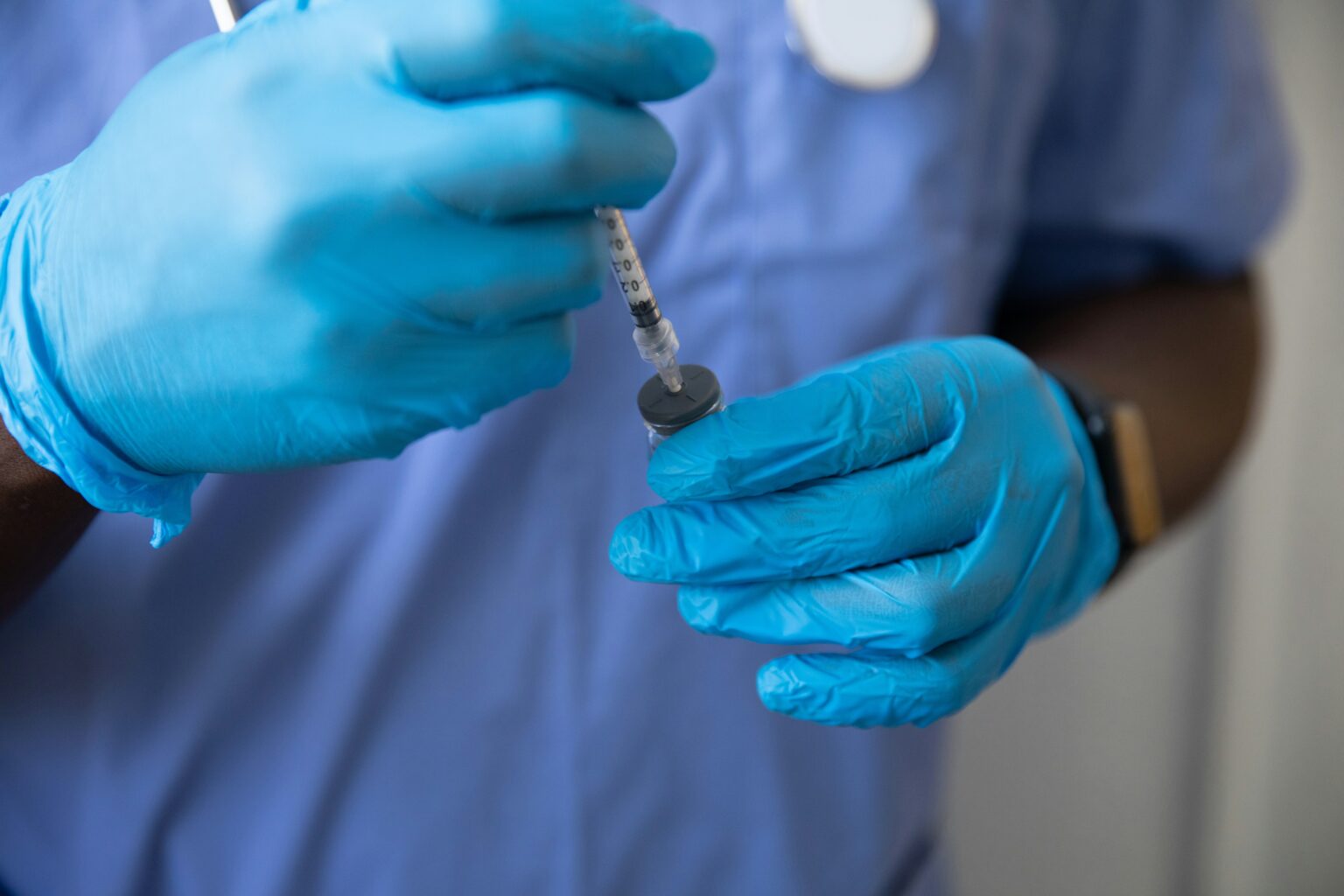

Spain has become the first country in Europe to publicly fund a groundbreaking injectable drug that prevents HIV infection.
The decision was approved by the government’s Interministerial Commission on Medicine Prices (CIPM), which agreed to include the drug Apretude in the Spanish public healthcare system.
The treatment uses long-acting cabotegravir, a medication designed to stop HIV infection before exposure.
Unlike the traditional daily PrEP pill, the new treatment is given as an injection every two months, making it far easier for some people to stick to.
The drug is aimed at HIV-negative people who are considered at high risk of contracting the virus through sexual transmission.
Health experts say the injectable treatment could significantly improve prevention efforts, particularly among people who struggle to take a daily pill.
Clinical trials have shown the long-acting drug to be extremely effective at preventing HIV infection, often performing better than the daily oral treatment in situations where adherence is difficult.
The medication was previously approved by the European Medicines Agency (EMA), allowing it to be used across EU countries.
However, Spain is now the first in Europe to fully fund it through its national healthcare system.
The government says the move guarantees equal access for patients across the country through the public health network.
Officials say the new treatment forms part of Spain’s broader strategy to combat HIV through combined prevention, early diagnosis and antiretroviral treatment.
The policy also aligns with recommendations from the World Health Organization (WHO) and UNAIDS, which encourage wider access to effective prevention tools.
Health authorities hope the injectable treatment will help accelerate efforts to reduce HIV infections and eventually eliminate the virus as a public health threat.
Spain has long been considered one of the European countries leading the expansion of PrEP access and HIV prevention programmes.
Experts believe the new injection could become a major step forward in preventing new HIV cases, particularly among vulnerable groups.