
Andalucia’s regional government has announced it will now monitor three additional mosquito-borne diseases – dengue, chikungunya and Zika – alongside West Nile Virus (WNV).
The move was confirmed by regional health chief Antonio Sanz, who warned that while recent cases were imported, they still pose a potential risk.
Imported cases spark concern
Sanz revealed that last year Andalucía recorded 17 cases of dengue, 14 cases of chikungunya and seven suspected (unconfirmed) cases of Zika.
‘All were imported cases involving people who had travelled to Central or South America,’ he explained.
However, he stressed that imported cases can introduce viruses into the region, meaning authorities must remain alert to prevent local transmission.
Risk of local outbreaks
Health officials say Andalucia already has the conditions required for possible local transmission.
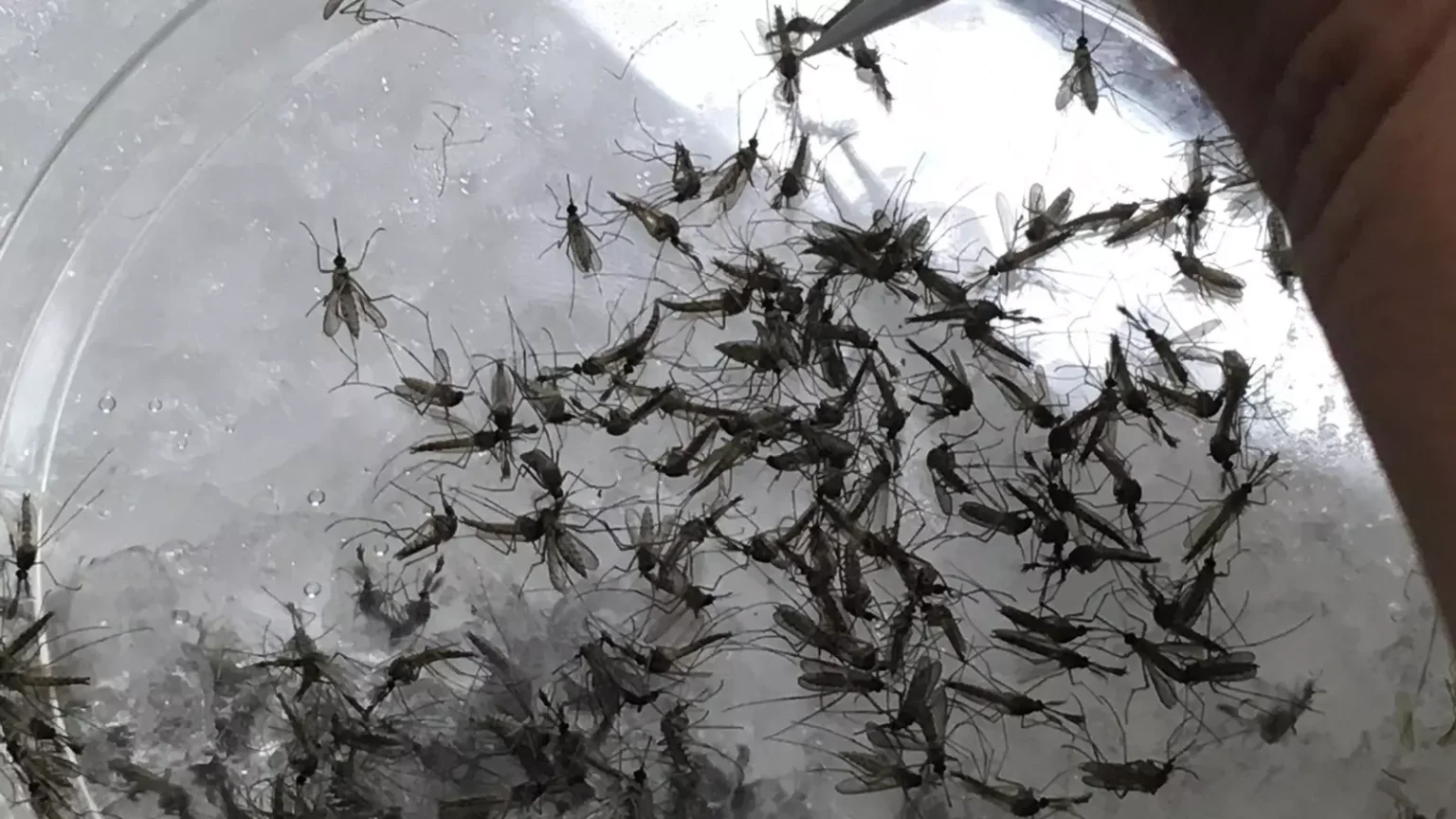
These include the presence of Aedes albopictus (the Asian tiger mosquito), favourable environmental conditions and imported cases introducing the virus.
‘In certain areas, all the necessary elements coexist for a native case to appear,’ Sanz warned.
High-risk municipalities increase
Under Andalucia’s Vector Surveillance and Control Programme, now operating year-round since 2025, municipalities are classified by risk level.
For the current season:
- 117 municipalities are at high risk
- 302 municipalities are at medium risk
- 366 municipalities are at low risk
That marks an increase of 13 additional high-risk municipalities compared to last year.
New high-risk areas include:
Almeria province (6): Almería city, Benahadux, Carboneras, Mojacar, Pulpi and Zurgena
Cadiz (2): La Linea de la Concepcion and Chiclana
Cordoba (2): Iznajar and Guadalcazar
Jaen (1): Baeza
Sevilla (3): Burguillos, Castilblanco de los Arroyos and Benacazon
Cantillana (Sevilla) is the only municipality to move down from high to medium risk.
Expanded surveillance for 2026
A new measure for 2026 includes close monitoring of municipalities bordering alert zones, after authorities determined mosquitoes can share habitats within a 10km radius.
So far, no virus circulation has been detected in the 40 winter monitoring traps maintained across the region.
Surveillance will intensify from May 1, with 120 permanent traps operating weekly, 38 sentinel traps monitored fortnightly and three additional mobile traps per province to track virus circulation.
How to protect yourself
Officials say the best protection remains avoiding mosquito bites. Residents are advised to:
- Use insect repellent
- Wear light-coloured clothing covering most of the body
- Install mosquito nets
- Eliminate standing water around homes
Authorities say coordination between regional government, councils and provincial authorities will be key to preventing outbreaks.
‘The goal is to minimise infection risk and protect the Andalucian population,’ Sanz said.
Read more Andalucia news at the Spanish Eye.