
Mosquitos are expected to arrive to Andalucia earlier than usual this year due to weeks of non-stop rain followed by unseasonably warm temperatures.
Researchers warn that conditions are ripe for mosquito population growth over the coming weeks, thanks to large amounts of resting water in roadside ditches, vacant plots, terraces and gardens.
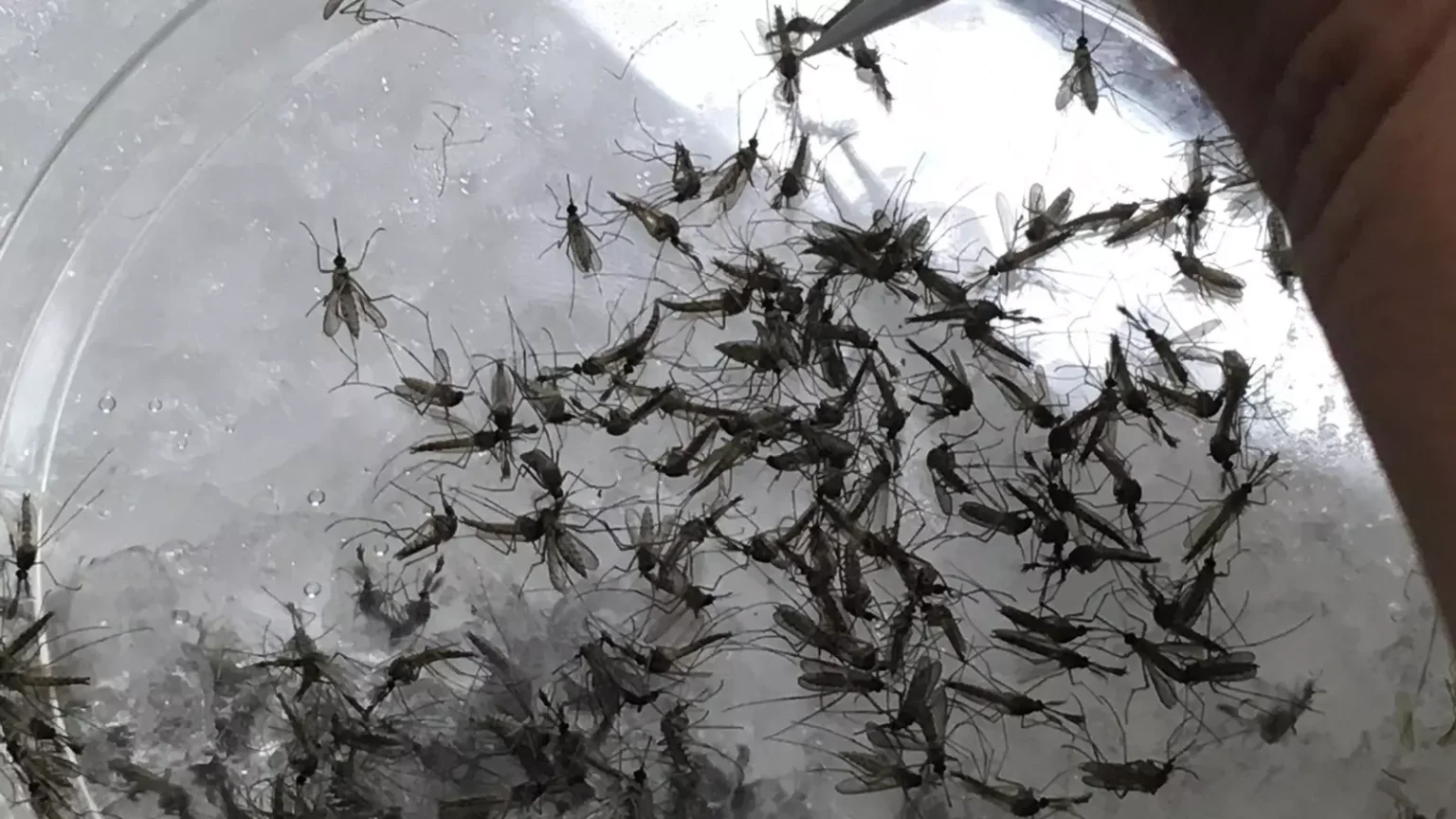
Swarms of insects have already been spotted in Malaga, particularly at dusk, with motorcyclists noticing a recent surge on roads, reports Diario Sur.
However, experts note that many of the insects currently visible are crane flies and midges, which are similar in appearance but harmless.
Raimundo Real, Professor of Zoology at the University of Malaga, says the link between heavy rainfall and mosquito growth is direct.
‘It has rained heavily, and as soon as temperatures rise even slightly, mosquitoes find more resources to reproduce,’ he told SUR.
Mosquitos require water during their larval phase, and this winter’s rainfall has filled not only reservoirs but also small, overlooked water pockets – from puddles and drainage channels to plant trays and containers in private gardens.
While February nights remain cool, isolated days reaching up to 25C are already encouraging activity. The main population surge is expected between March and April.
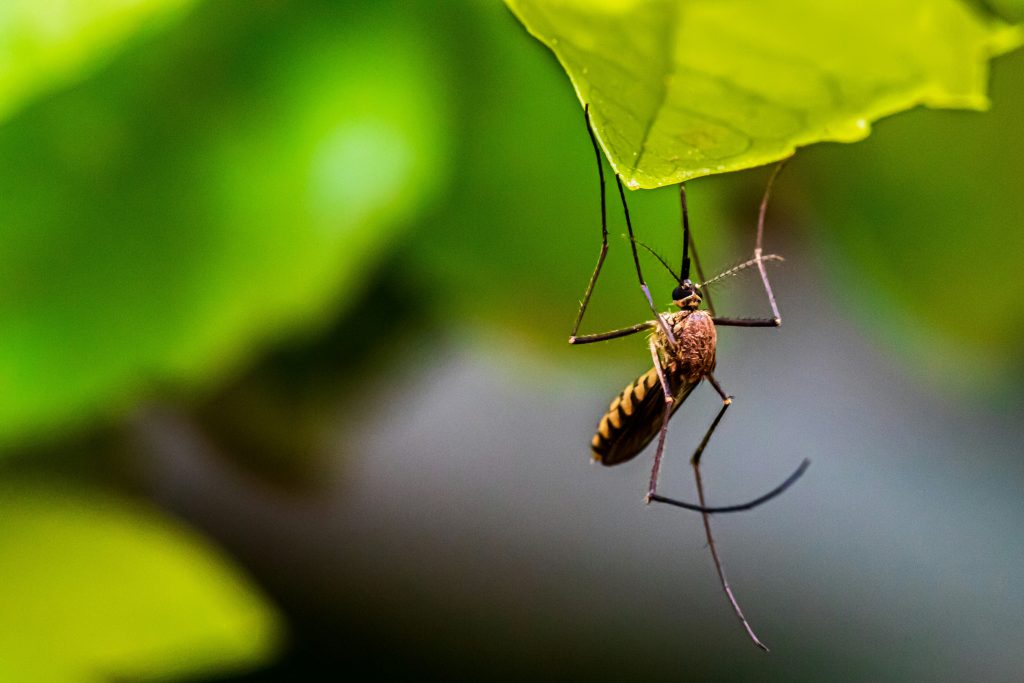
The greatest concern centres on Aedes albopictus, aka the tiger mosquito, an urban species capable of transmitting diseases like the West Nile virus.
Unlike other species linked to marshlands and rivers, the tiger mosquito thrives in domestic environments and needs only small amounts of stagnant water to reproduce.
Just five to seven days of accumulated water can be enough for larvae to complete their cycle, depending on temperature.
Experts urge residents to empty any water-holding containers – including plant trays, buckets and garden items – at least once a week.
Abandoned plots and empty properties are emerging as particular concerns, where uncontrolled pools of water may form.
In such cases, authorities cannot intervene without legal authorisation, complicating prevention efforts.
Andalucia’s regional health authorities confirm that year-round mosquito monitoring is already in place, including both environmental trapping and human and animal surveillance.
With reservoirs full, aquifers saturated and temperatures rising, officials warn that the end of winter and the arrival of spring could bring more mosquitoes than usual, making vigilance from both residents and authorities essential.
Read more Andalucia news at the Spanish Eye.