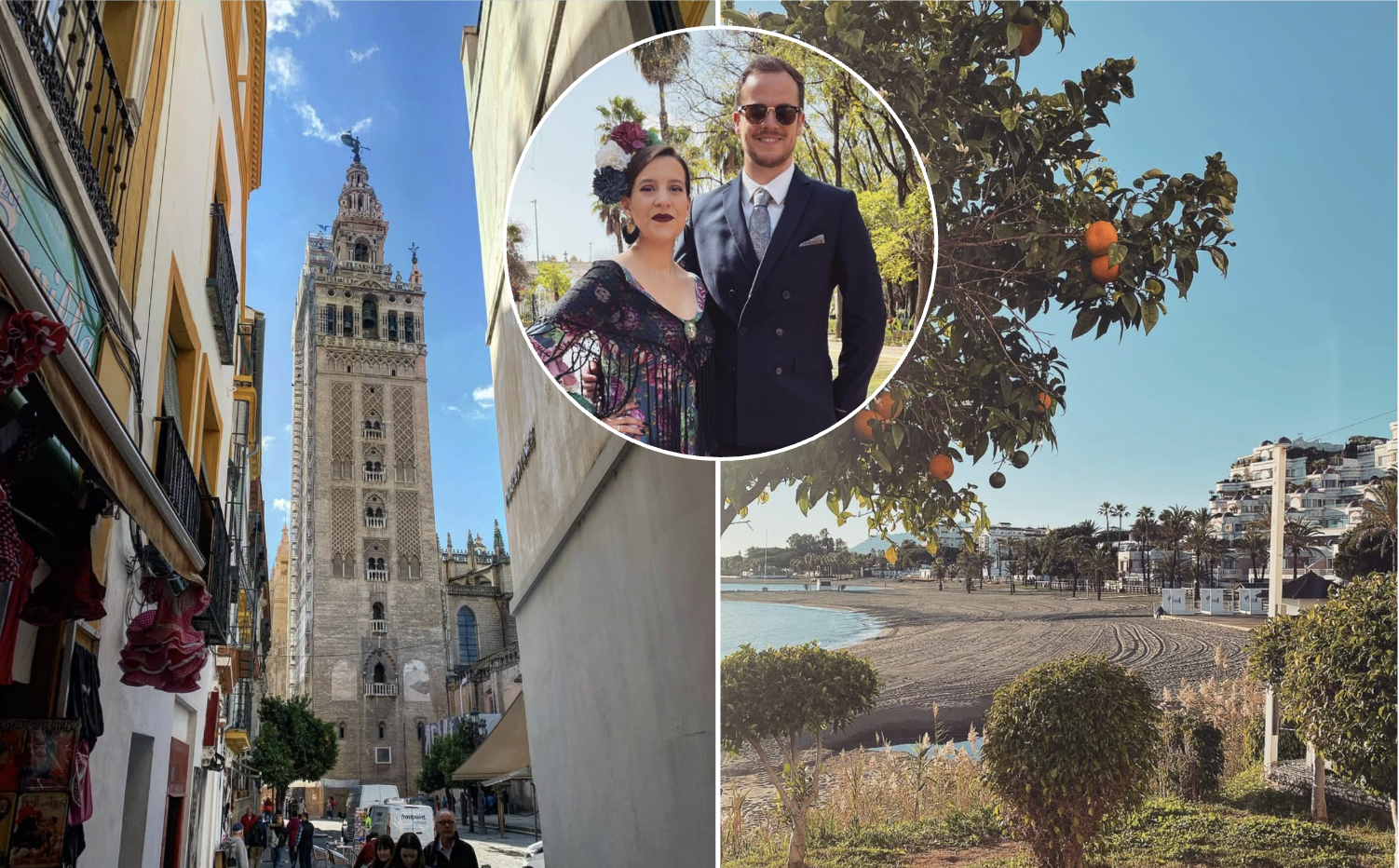

I’ve had a home in Marbella since I was 10 years old and moved their permanently over a decade ago.
My family bought the property there more than 25 years ago, back when the town still felt unmistakably Spanish.
It had glamour but it also had grit. Small tapas bars where the waiter knew your name and proper, good-value family beach clubs like the Bora Bora in San Pedro (which is now, shamefully, a shadow of its former self).
Over the years, I’ve watched it change. First came the TOWIE wave and then the uber-luxury movement that has transformed the resort into what feels like a cash-grabbing entity.
So when I first visited Sevilla some years ago, its authenticity was like a breath of fresh air – and I immediately knew I wanted to call it home one day.
I bought my flat in the Andalucia capital almost two years ago, having previously lived there for two years before that. The contrast with Marbella – where I spend a lot of my time for work – could not be more stark.
And in almost every way that matters to daily life, Sevilla wins comfortably.
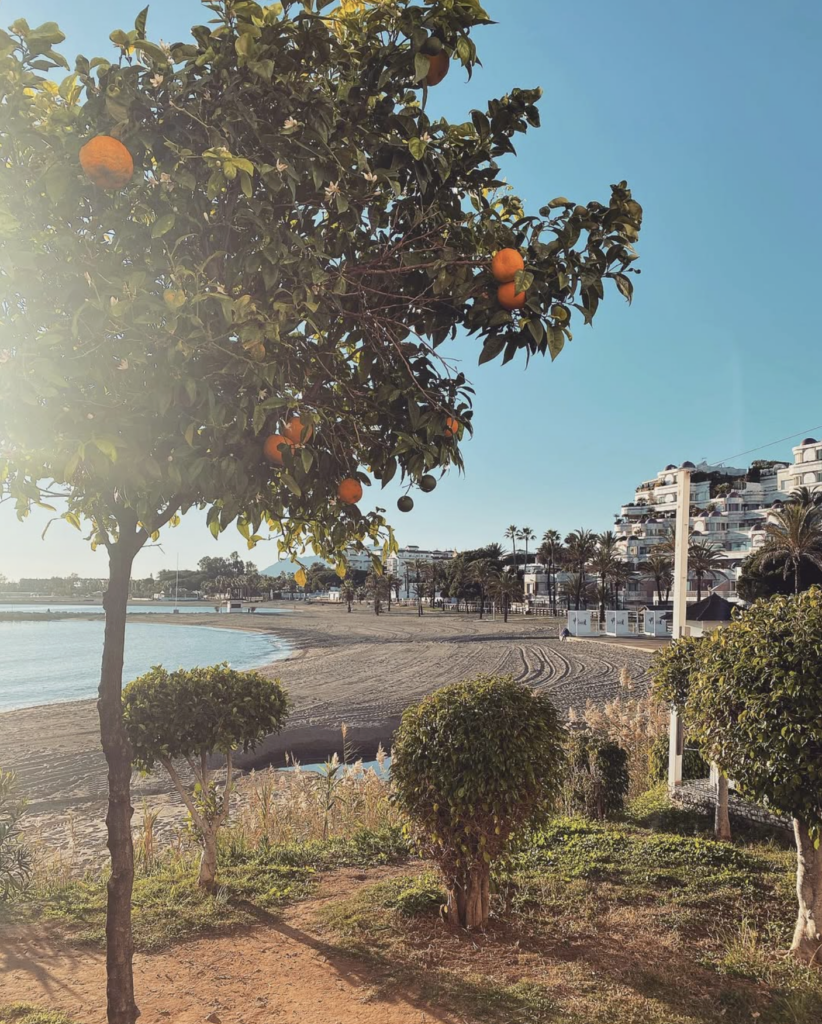
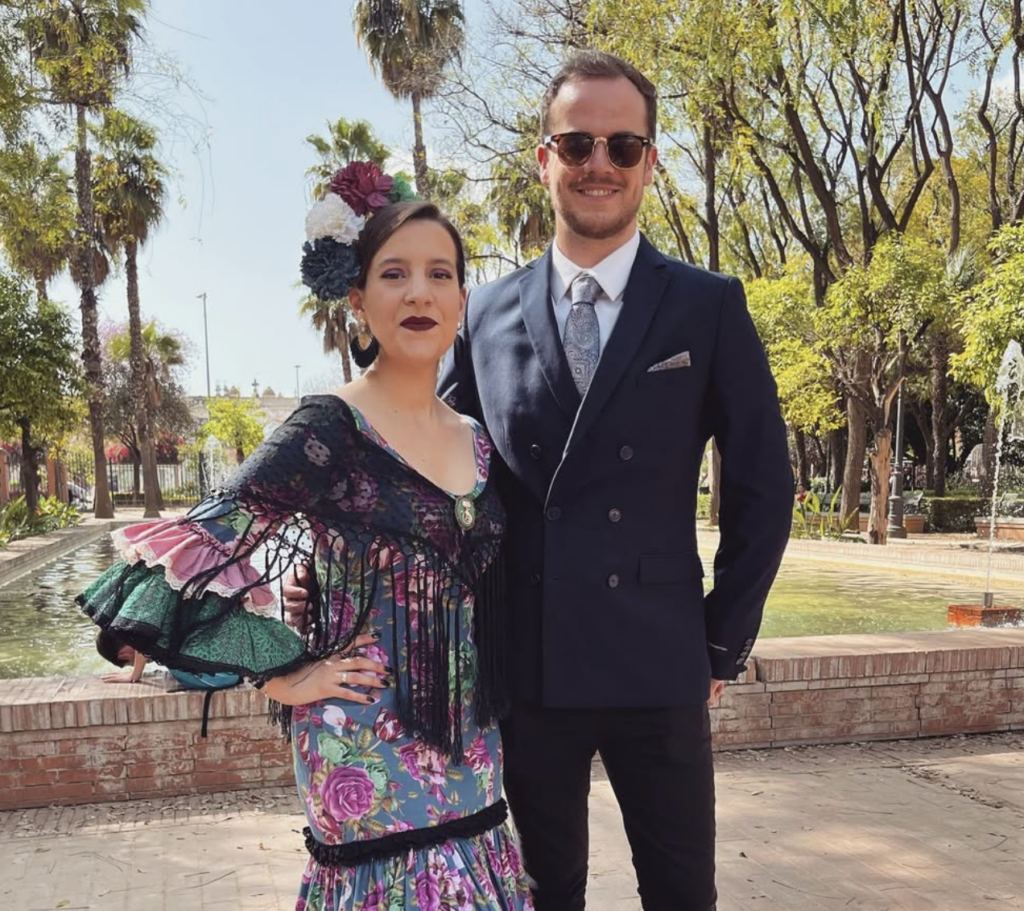
Marbella: Beautiful, but built for cars and cash
There’s no denying that Marbella is still beautiful. The Old Town remains as charming as ever and the Mediterranean light is unbeatable, while the mountains framing the coast are spectacular.
But the town I grew up with has slowly been overtaken by businesses designed around the luxury market.
Beach clubs offer sunbeds that cost more than a weekly food shop and high-end developments are replacing modest homes. Restaurants increasingly feel curated for Instagram rather than neighbourhood life.
It often feels less like a Spanish town and more like a permanent property fair.
And then there’s the driving. On the Costa del Sol, you have to drive everywhere, be it to get groceries, to go to the gym, meet friends, play padel or go to work.
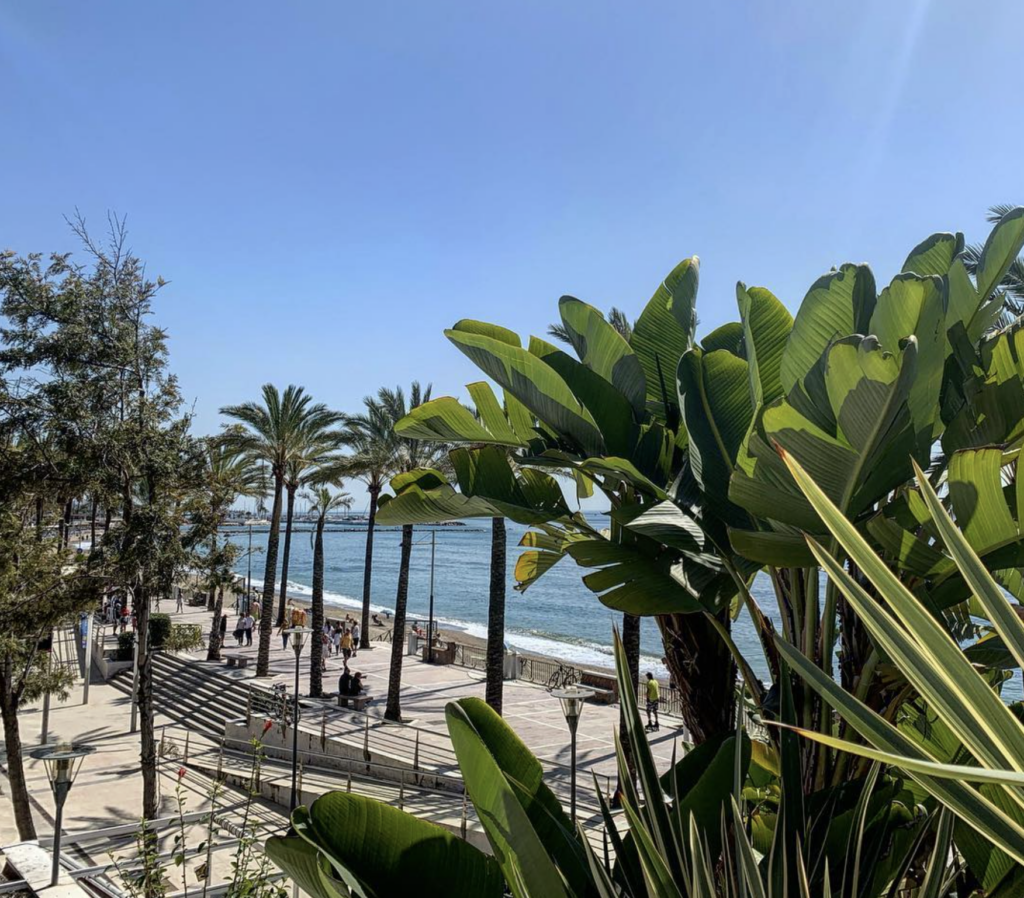
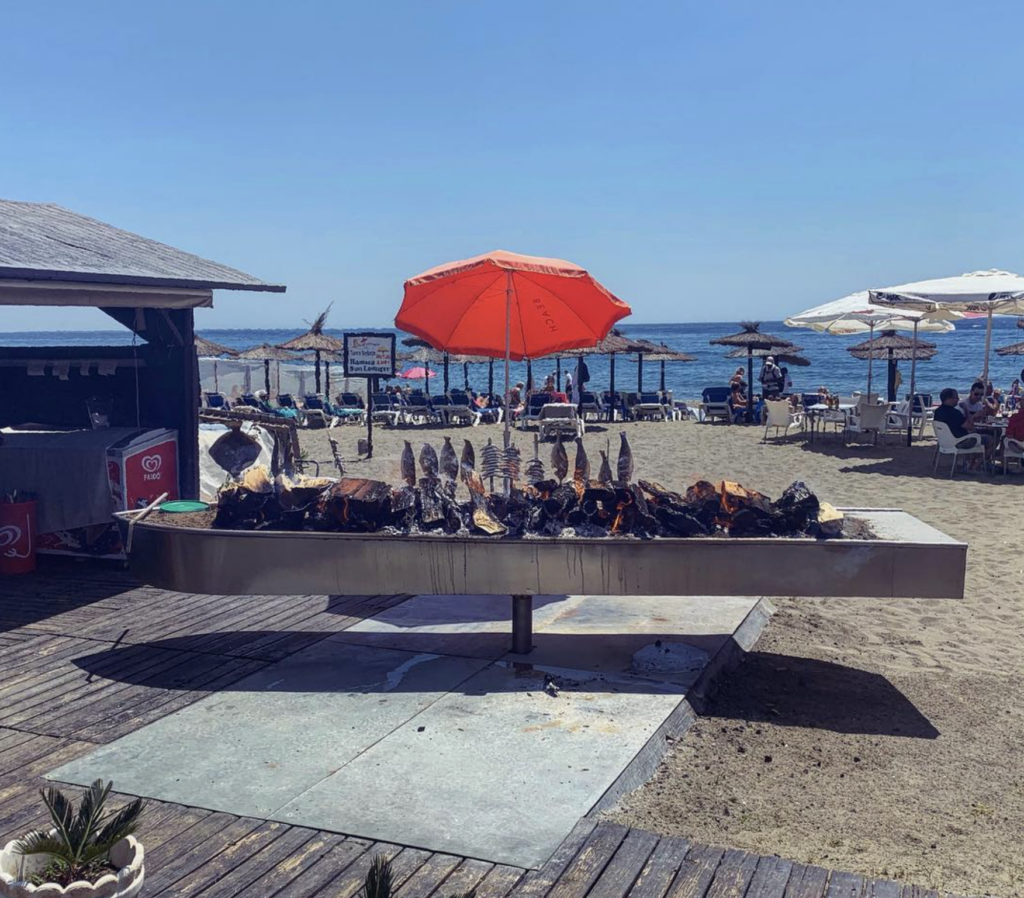
Getting onto the A-7 most mornings is genuinely stress-inducing and the traffic is relentless.
The driving standards are also chaotic and there are accidents almost daily.
And lately, the road itself feels like it’s crumbling, with dangerous potholes scattered across key stretches.
Sevilla: A city built for living
Sevilla, by contrast, feels designed for people rather than cars.
From my flat, I can walk everywhere and have supermarkets, bars, restaurants, padel courts and gyms all within 15 minutes or less on foot.
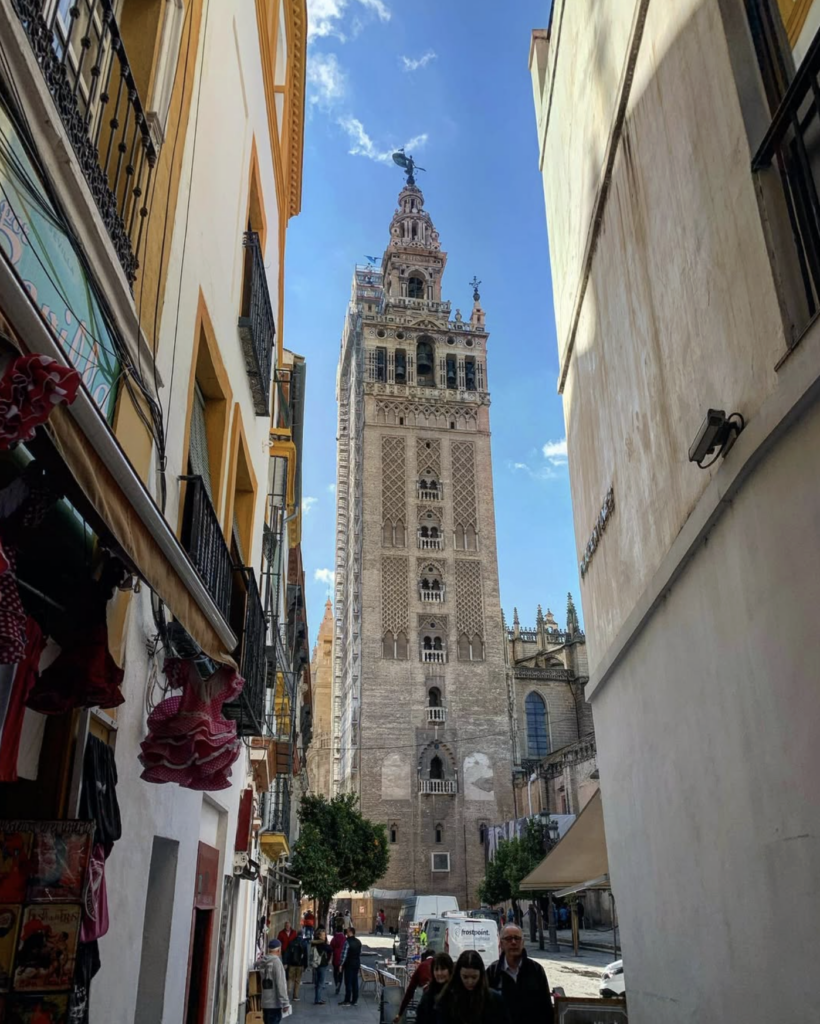
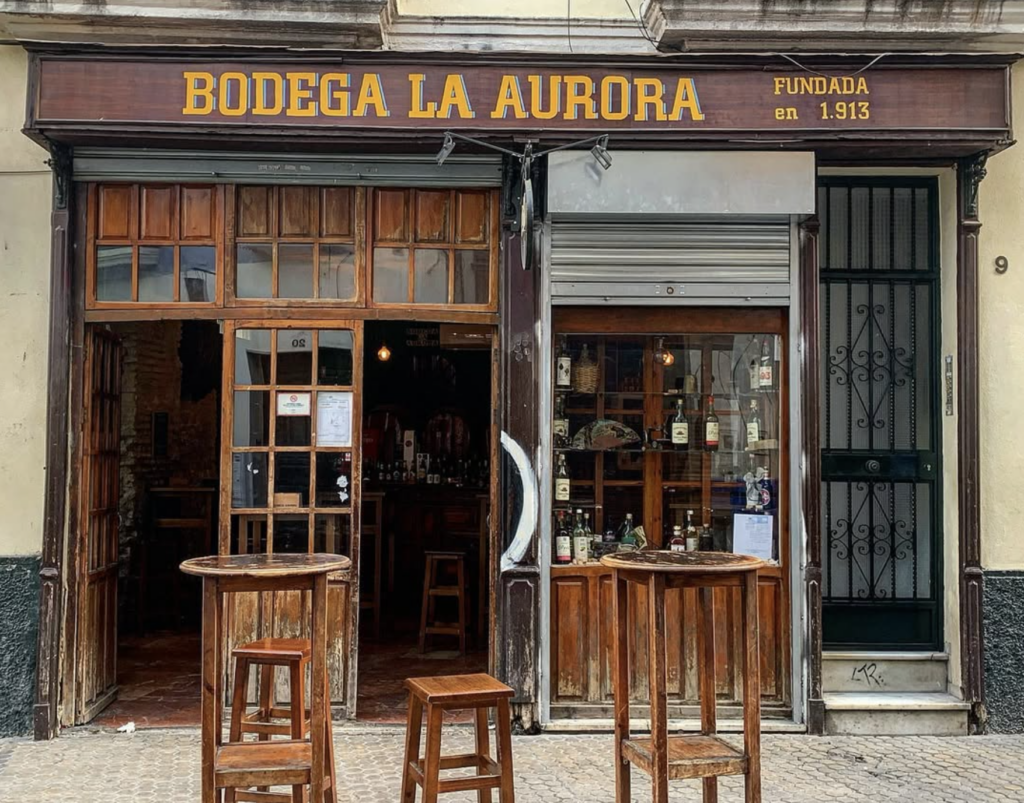
I leave the house and I’m already in the city. People sit outside and children play in plazas. It feels lived in.
The price is right
The prices are also on different planets. In Marbella, for example, I pay €18 for a 90-minute padel match. In Sevilla, I pay as little as €6.
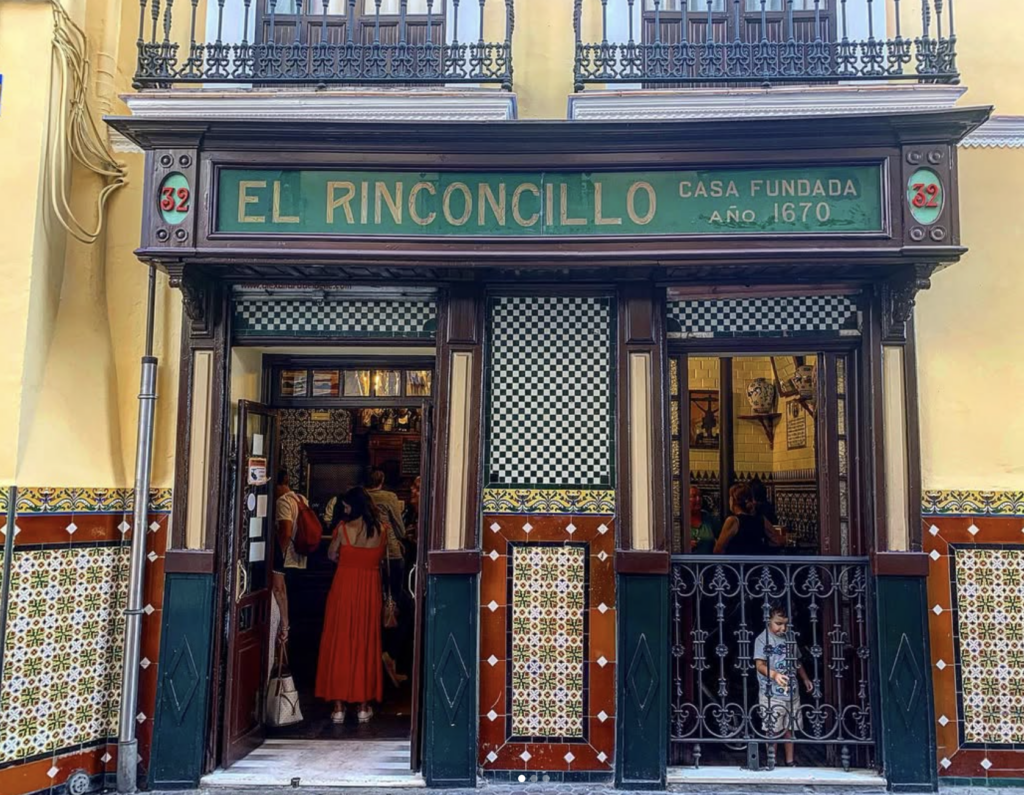
In Sevilla, I can easily find a couple of tapas and a beer for €10, while in Marbella, those places are becoming increasingly rare.
The price creep on the coast has been relentless, driven by tourism, foreign demand and the luxury property boom.
That difference adds up not just financially, but psychologically. You don’t feel like you’re constantly being squeezed.
The long view
Having seen Marbella evolve over 25 years, I don’t blame it entirely. Demand exploded and foreign investment poured in, and the Costa del Sol became a global brand.
But somewhere along the way it feels like authenticity took a back seat to profitability.
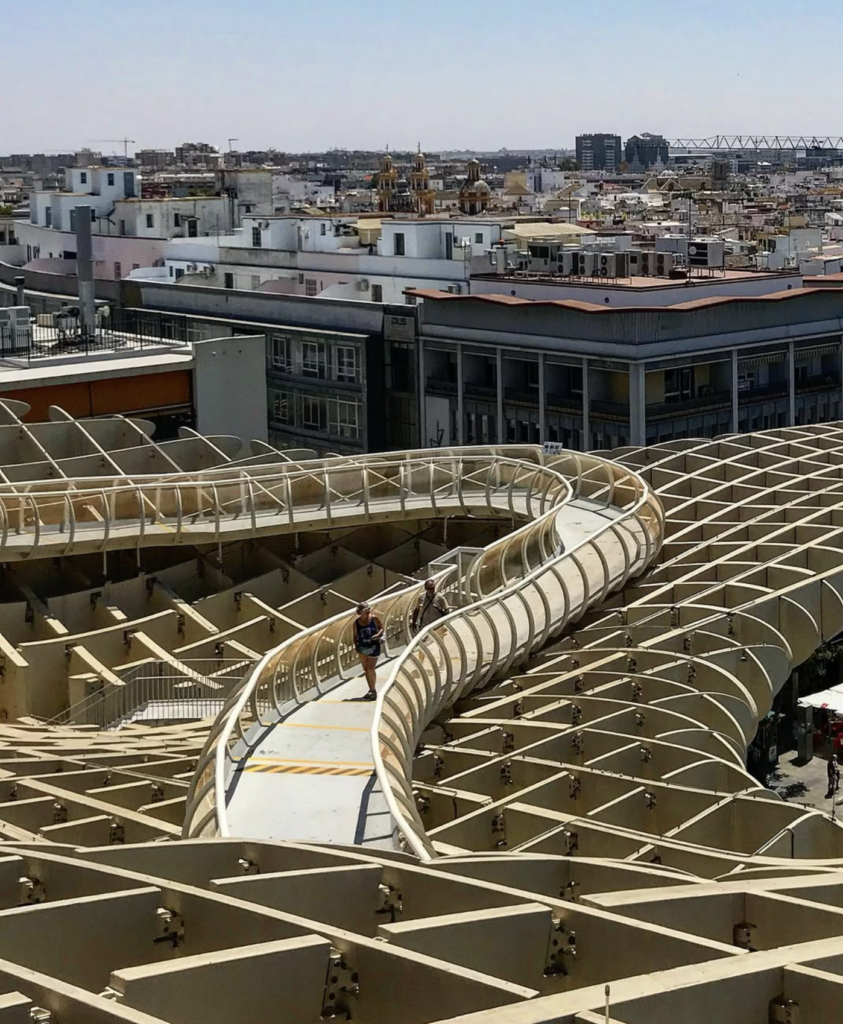
Sevilla, meanwhile, has managed growth without losing its soul – although neighbourhoods in the heart of the tourist district are at risk of ‘turistification’.
However for the most part, it remains deeply Spanish, deeply Andalucian, and far more liveable on a daily basis.
The one glaring issue
The only setback for Sevilla is that in the summer it becomes the hottest place in Spain, with highs of up to 46C.
I personally love the heat, and air conditioning exists, so it is liveable – and there are stunning beaches just an hour’s drive away in Huelva.
Unfortunately, no place can have it all, and Sevilla not having a beach (and therefore not being swarmed by millions of tourists each summer) is probably what has allowed it to hold onto its authentic Spanish charm over the years.
Read more Andalucia news at the Spanish Eye.