
Great white sharks continue to live in the Spanish Mediterranean, researchers have confirmed.
It comes after a specimen caught off the coast of Alicante was confirmed to belong to the species in the peer-reviewed scientific journal Acta Ichthyologica et Piscatoria.
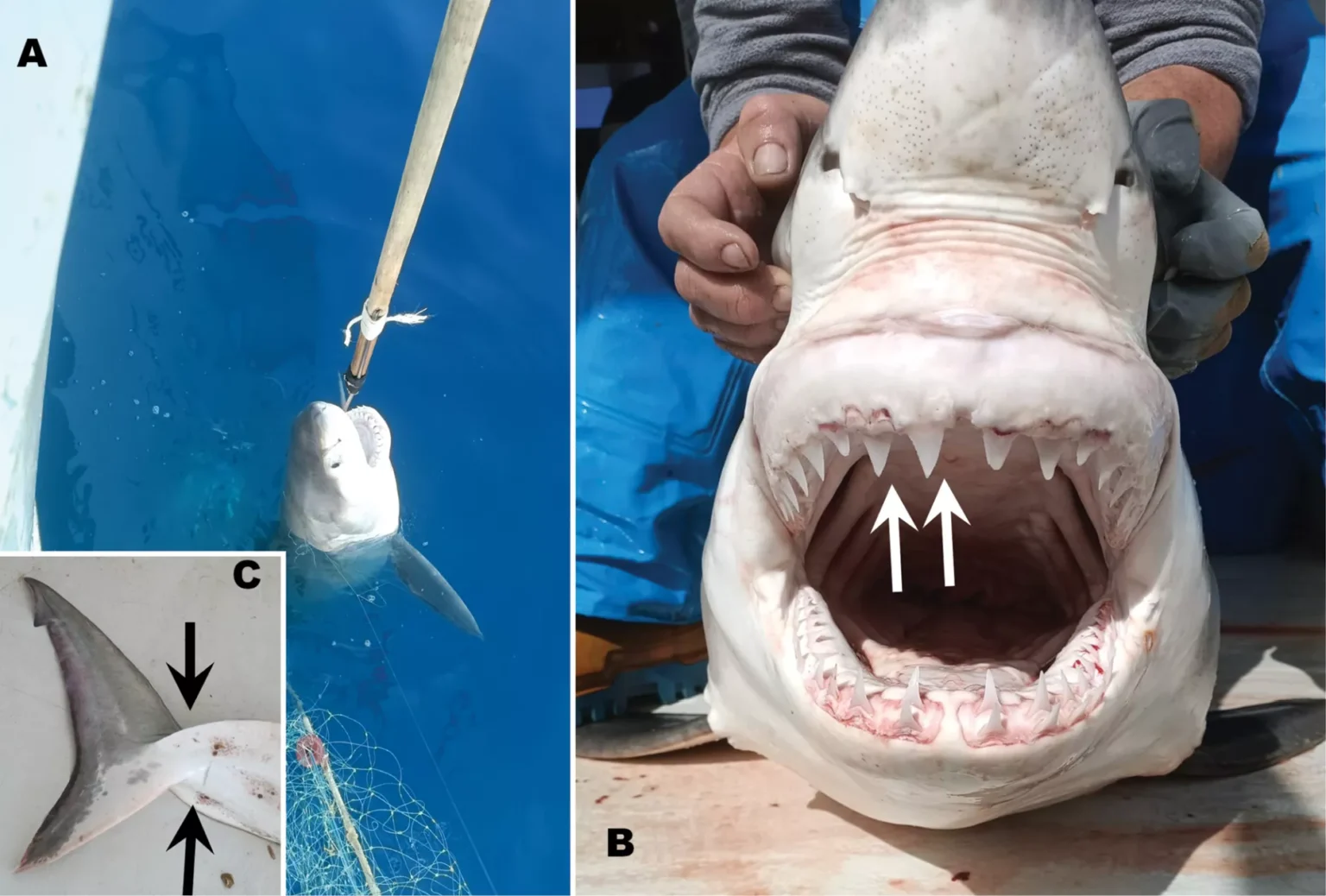
The animal was a juvenile specimen who was accidentally captured within Spain’s Exclusive Econonic Zone in April 2023.
It was confirmed to be a great white by a team of researchers from the Instituto Español de Oceanografía (IEO-CSIC) and the University de Cadiz.
The finding represents one of the few genetically verified records in Spanish waters in recent decades.
A juvenile measuring 2.1 metres
The shark was caught on April 20, 2023 in open waters north of Alicante. It measured approximately 210cm in length and weighed an estimated 80 to 90kg.
The species – Carcharodon carcharias – was confirmed through genetic analysis of the mitochondrial COI marker, giving the record a level of scientific robustness not always present in historical sightings.
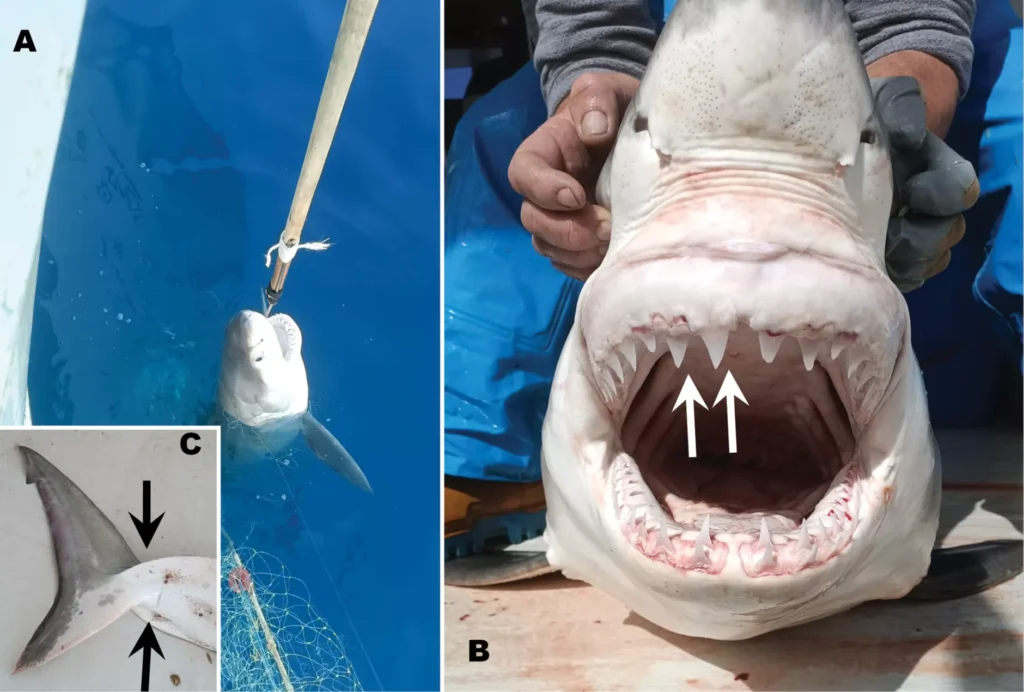
Many earlier references in Spanish Mediterranean waters were based solely on descriptions or eyewitness accounts without molecular verification.
Persistent but extremely rare
The study goes beyond the single capture, incorporating a detailed review of historical records dating back to the mid-19th century.
Researchers conclude that the great white maintains a persistent but extremely scarce presence in the western Mediterranean. Its highly migratory behaviour and low detectability make it difficult to determine the species’ true abundance.
Importantly, the authors caution that a single confirmed record does not indicate population recovery.
They suggest that improved communication between scientists and the fishing sector may partly explain why such sightings are now better documented.
Why the juvenile matters
The fact that the documented specimen was juvenile is of particular scientific interest.
Young individuals provide valuable insight into the species’ demographic structure and potential transit routes. The study suggests that western Mediterranean waters off Spain could serve as a migratory corridor, potentially linked to feeding routes – especially those associated with Atlantic bluefin tuna, one of the great white’s primary prey species.
However, researchers emphasise that there is still no evidence of confirmed breeding areas in Spanish waters. Establishing that would require long-term, targeted monitoring programmes.
No significant risk to the public
Across more than 160 years of documented records in Spanish waters, incidents involving people have been exceptionally rare. The available evidence indicates that the great white does not pose a relevant risk to the population along Spain’s coastline.
Beyond the headlines, the great white plays a crucial ecological role. As a highly migratory apex predator, it contributes to marine ecosystem balance and connects oceanic regions through trophic networks.
A rare but natural presence
The new record off Alicante does not signal a mass return of great whites to Spanish shores. It does, however, confirm that the species remains part of the Mediterranean ecosystem, albeit in exceptional and infrequent circumstances.
The study concludes by stressing the importance of strengthening scientific monitoring and conservation efforts in the Mediterranean, where the species is classified as vulnerable and its population status remains uncertain.