
In recent years, humans have become increasingly obsessed with longevity.
From supplements to biohacking and anti-ageing clinics, the promise of extra years is everywhere.
But while most of it is expensive, unproven or both, one of the most effective ways to extend your life remains remarkably simple: keep yourself moving.
A large population study from Denmark, which tracked thousands of adults over time, found that playing certain sports made people live up to a decade longer.
The 2018 Copenhagen City Heart Study analysed data from around 8,500 adults across roughly 25 years of follow-up.
Researchers looked at people’s main sporting activity and compared it with a similar sedentary group.
They found that some sports were linked with significantly longer life expectancy than others, even after accounting for age, education and lifestyle.
So which sports extended life the most?
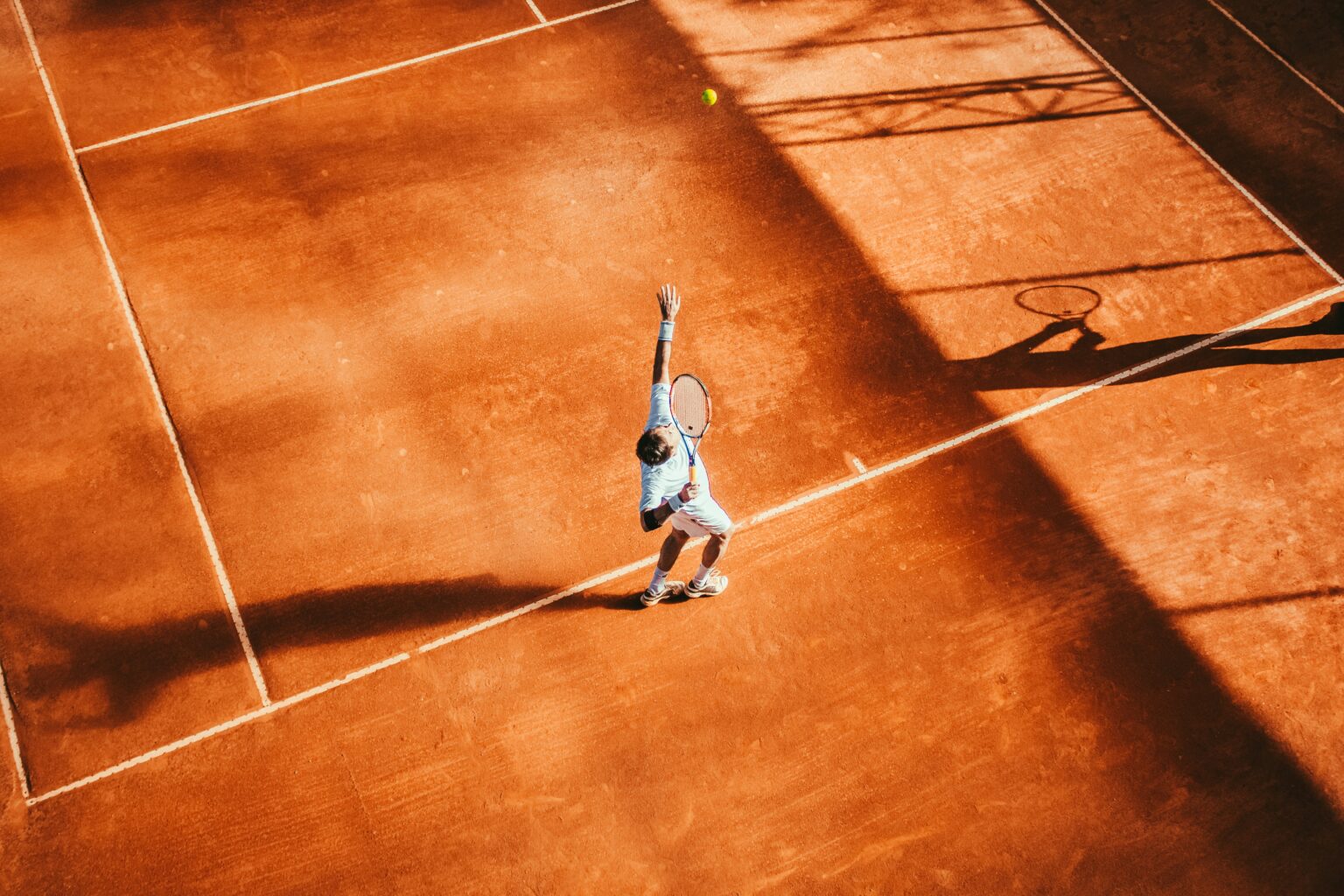
Tennis players lived almost a decade (9.7 years) longer than people who did no regular exercise.
Other sports were linked to smaller gains:
- Badminton: +6.2 years
- Football: +4.7 years
- Cycling: +3.7 years
- Swimming: +3.4 years
- Jogging: +3.2 years
What made the findings striking is that the results held steady regardless of age, education or income. In other words, the effect was not down to wealth or background, but to the activity itself.
Why tennis stands out
According to sports medicine specialists, tennis combines several factors that are especially powerful when it comes to healthy ageing.
‘It works the whole body, demands coordination and balance, and involves frequent changes of direction,’ Gianfranco Beltrami, vice-president of Italy’s national sports medicine federation, told El Mundo.
‘That helps reduce the risk of falls as we get older, which is a major cause of injury and loss of independence.’
Just as importantly, tennis is social. Matches, clubs and regular partners mean people stay connected, something that research increasingly links to longer life expectancy.
‘Social interaction is a pillar of longevity,’ Beltrami added. ‘Sports that bring people together tend to have an advantage.’
Team sports and shared activity
The same principle may explain why badminton and football also ranked highly. Both involve regular interaction, shared goals and a sense of belonging, all of which appear to amplify the physical benefits of exercise.
By contrast, more solitary activities still help, but may lack that extra layer of protection.
This does not mean solo sports should be dismissed.
The quiet power of cycling, swimming and walking
Large studies from the US have shown that cycling, swimming and even golf are all linked to lower mortality rates compared with inactive lifestyles.
Walking, in particular, deserves special mention. It is accessible, low-impact and suitable well into old age.
As a general guide, under 60s benefit most from around 10,000 steps a day, over 60s see gains at about 8,000, while over 70s may need as few as 5,000.
Even small increases count. Research from the American Heart Association found that in people over 70, adding just 500 extra steps a day cut the risk of heart disease and stroke by 14%.
The World Health Organisation recommends at least 150 minutes of moderate activity a week, or 75 minutes at higher intensity. More is not always better.
‘Exercise has to be regular and appropriately intense,’ Beltrami cautioned. ‘Too little does very little. Too much can increase injury risk and accelerate joint wear.’