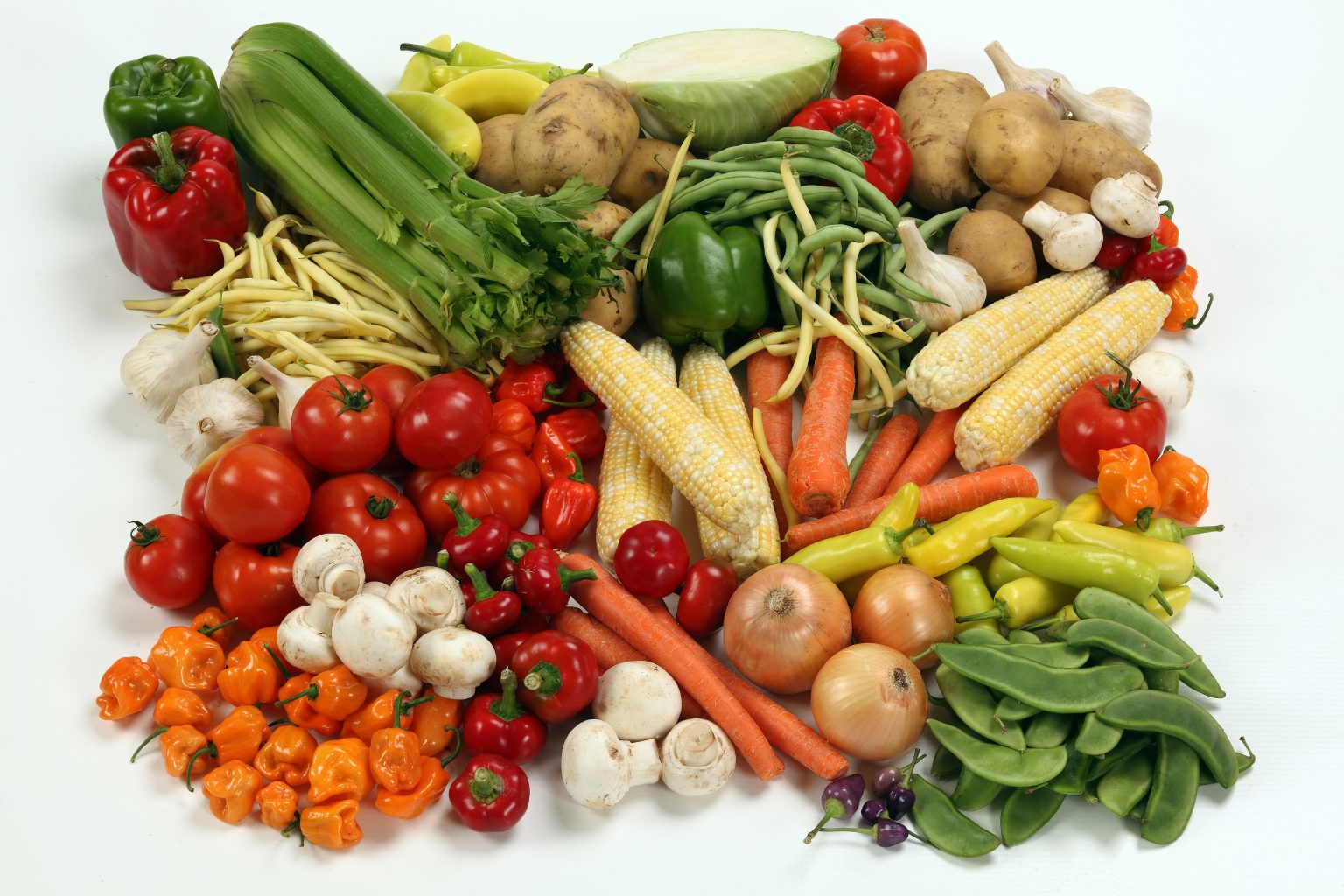

Foods commonly found in the kitchen could help extend your life if eaten regularly, Spanish scientists have found.
The Spanish National Research Council (CSIC) made the discovery while studying the effects of certain sulfur-rich compounds present in foods like garlic, onions and leeks, on mice.
The findings, published in the prestigious journal Cell Metabolism, not only reinforce the importance of diet for long-term health but also open new avenues for developing treatments capable of improving quality of life during the aging process.
Diallyl sulfides are found naturally in plants of the Allium family, a group that includes common foods like garlic, onions, leeks, and chives.
In this research, however, the scientists focused specifically on the compounds present in garlic, one of the foods with the highest concentration of these sulfur-rich molecules.
When researchers added diallyl sulfides to the mice’s diet, they observed something particularly relevant: the bodies managed insulin better, a hormone essential for controlling blood sugar and maintaining metabolic balance.
This improved functioning is key to reducing the risk of age-related diseases, such as type 2 diabetes.
Furthermore, certain communication systems between cells – the so-called cell signaling mechanisms -which are directly related to how tissues age, were also activated more efficiently.
‘What we’ve seen is that these compounds cause changes in the mechanisms that modulate several of the biological pathways involved in the progression of aging,’ explains first author of the study Maria Angeles Caliz.
‘The evidence tells us that these mechanisms, present in both animals and humans, are key to living longer and with a better quality of life, although further research is needed before extrapolating these results to humans,’
In other words, the study reinforces the idea that aging does not depend on a single factor, but rather on a complex network of biological processes that can be modulated.
Although the results cannot yet be directly applied to humans, they do provide valuable clues about how certain dietary components could, in the future, help us age more healthily.