
Campsites in Andalucia are seeing a huge surge in visitor numbers after enjoying a year-on-year bump of almost 60% in November, latest figures show.
The data from Spain’s Instituto Nacional de Estadística (INE) shows an active extrahotel market – apartments, campsites, rural accommodation and hostels – yet one that ultimately failed to grow across the board.
However, some segments attracted significantly more visitors, while others saw a sharp drop in overnight stays.
Extrahotel accommodation in Andalucia recorded 1,116,573 overnight stays in November, a 0.5% year-on-year fall.
The headline figure suggests stability, but masks pronounced contrasts between different types of accommodation.
Tourist apartments: more arrivals, shorter stays
Tourist apartments saw a clear rise in visitor numbers, with 205,206 travellers recorded in November – 9% more than a year earlier.
However, this did not translate into more overnight stays. Apartment stays fell sharply to 709,779 nights, a 21.6% annual decline, pointing to shorter or more fragmented trips.
The average stay stood at 3.46 days. Andalucia had 21,868 apartments available, supporting 5,487 jobs across the sector.
Campsites lead November’s growth
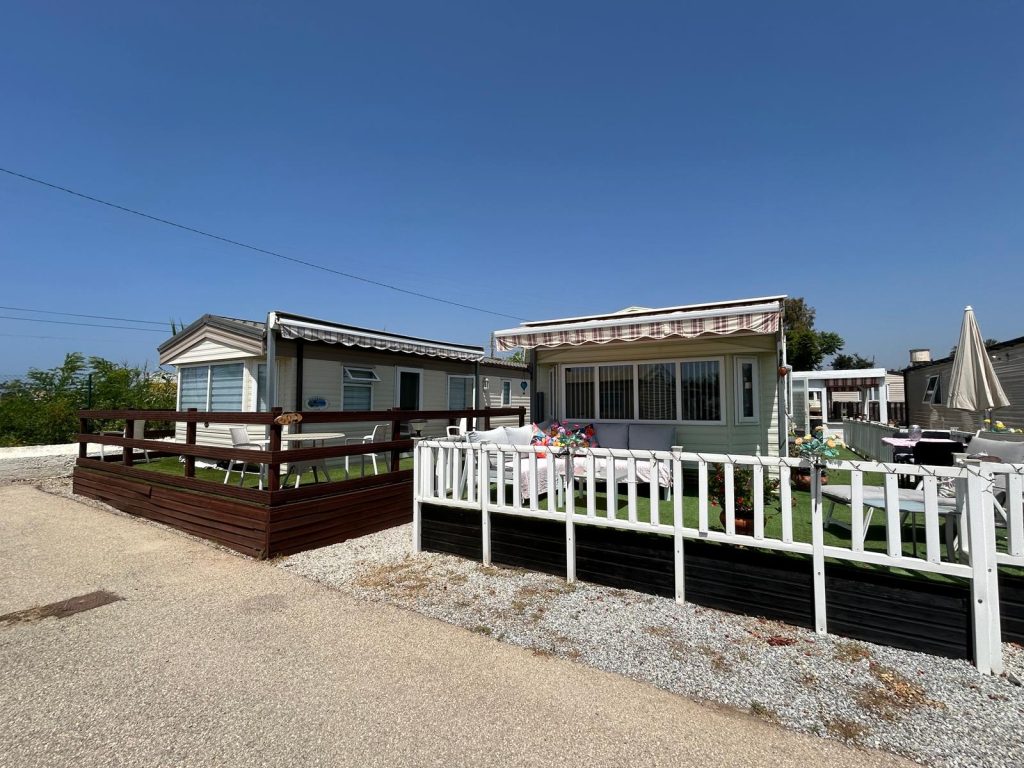
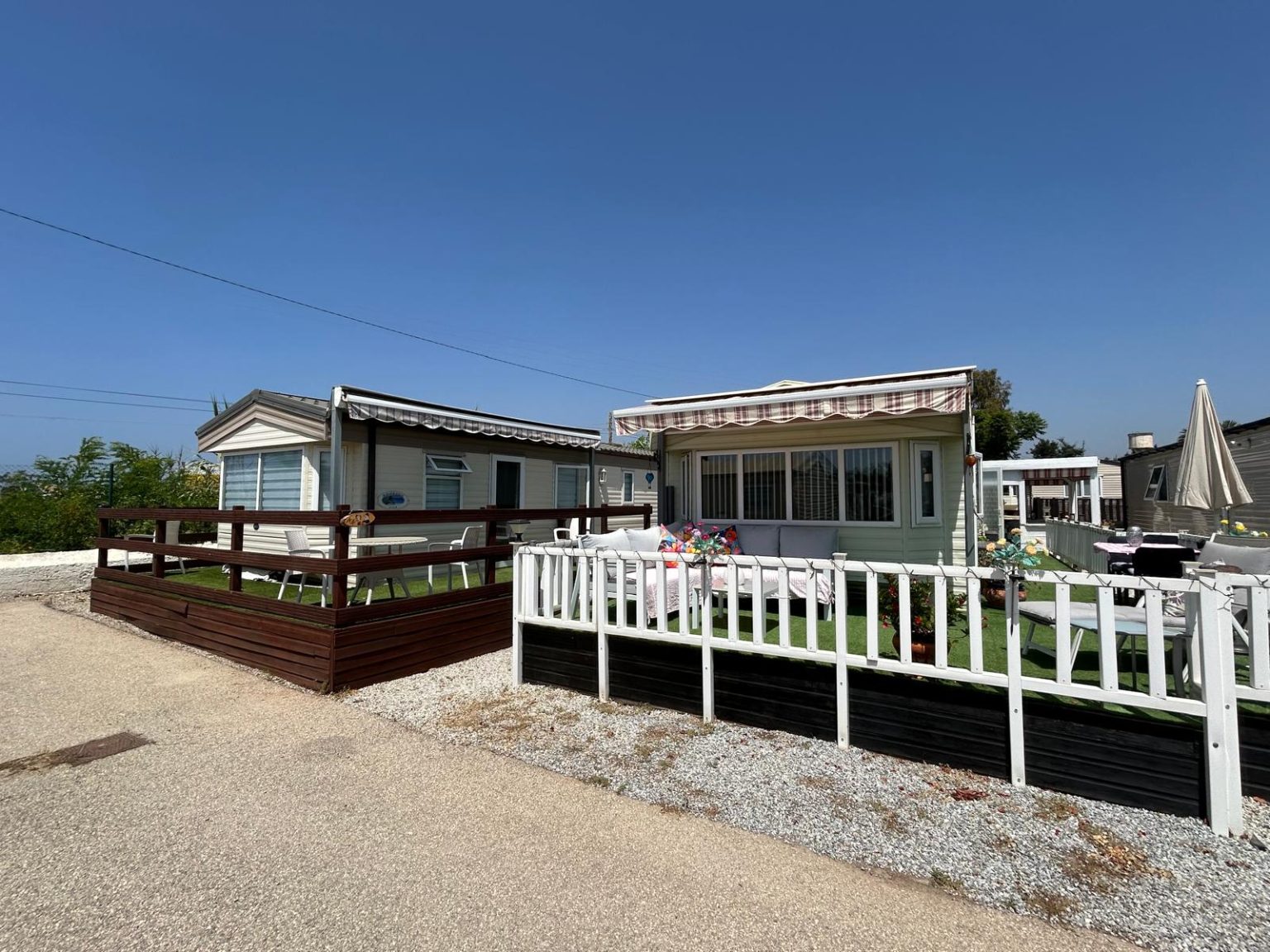
Campsites were the standout performers, however.
They welcomed 58,442 travellers, a dramatic 58.3% increase compared with November 2024.
Overnight stays also rose, reaching 313,078 nights, with an average stay of 5.36 days.
During the month, 143 campsites were operating across Andalucia, offering 62,737 pitches and employing 1,172 people.
Rural accommodation and hostels: mixed fortunes
Rural tourism experienced one of the steepest setbacks. Traveller numbers fell 3.48% to 26,620, while overnight stays collapsed by 49.8%, dropping to 67,375 nights. The average stay was 2.53 days.
Despite the downturn, 2,298 rural establishments remained open, providing 20,305 beds and employment for 3,441 people.
Hostels followed a different pattern. They attracted 32,182 travellers, up 10.07% year on year, but overnight stays declined to 67,096, representing a 28.9% fall.
November’s figures underline a broader trend in Andalucía’s tourism market, which is that more people are travelling, but staying for less time.
Campsites benefited from longer visits, while apartments, rural accommodation and hostels struggled to convert rising arrivals into overnight volume.