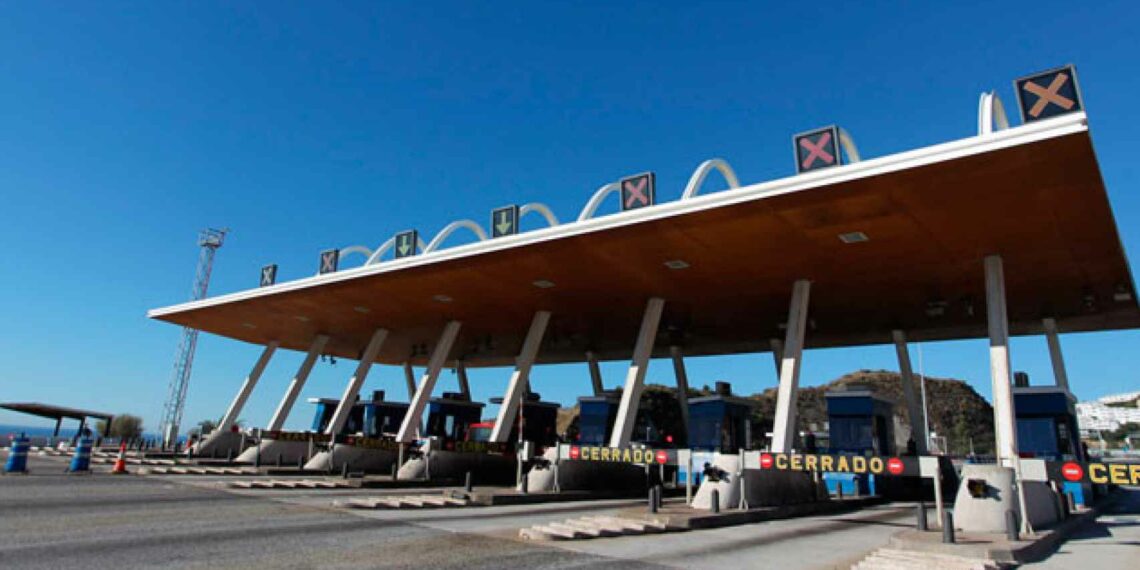

Drivers using Spain’s toll motorways will face higher charges from January 1, with increases ranging from 2% to 4.68%.
The rises have been confirmed following the approval of a ministerial order by the Ministry of Transport, which has also pledged to allocate €15 million in subsidies to soften the overall impact on motorists.
Where tolls will rise the most
The steepest increases will be felt on three major routes:
- AP-9 (Galicia)
- AP-46 (Málaga–Las Pedrizas)
- AP-7 (Alicante–Cartagena)
Tolls on these roads will rise by 4.68%, the highest level approved for 2026.
Several other concession-operated motorways will see rises of 3.64%, including:
- AP-6, AP-51 and AP-61 (Madrid–Castilla y León corridors)
- AP-53 and AP-66
- AP-68 (Basque Country–Aragón)
- AP-71
- AP-7 Málaga–Guadiaro
State-managed motorways capped at 2%
Motorways now under direct state control – following the expiry of their original concessions – will see a more moderate 2% increase throughout 2026.
These roads are managed by the public company SEITT and include:
- R-2, R-3/R-5 and R-4
- M-12 (Barajas access)
- AP-36 (Ocaña–La Roda)
- AP-41 (Madrid–Toledo)
- AP-7 Cartagena–Vera
Late-night toll-free travel between midnight and 6am will continue to apply on these routes.
The AP-7 Alicante ring road remains fully free of charge after being permanently de-tolled by the government earlier this year.
Subsidies and discounts remain in place
According to the Ministry, toll increases would have been significantly higher – up to 5.83% – without the continued subsidy scheme first introduced during the energy crisis to curb inflation-driven rises.
Existing discounts and frequent-user bonuses will also remain in force, including:
- Regular-user and time-slot discounts on the AP-46 and AP-7 routes in both Málaga–Guadiaro and Alicante–Cartagena
- Ongoing incentives on the AP-53 and AP-71
- Free travel on key sections of the AP-9, such as Morrazo–Vigo and A Coruña–Barcala
- Reduced rates for frequent light and heavy vehicles on the AP-66 and AP-68