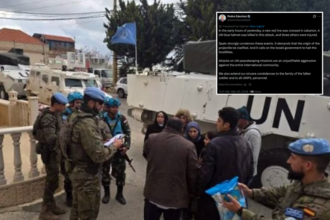

The Policia Nacional has issued a reminder on social media that the country remains at terrorism alert level 4.
The move has sparked concern from the public about why the message has been shared now and whether it signals an imminent threat.
Spain has been at alert level 4 continuously since June 26, 2015, when the Ministry of the Interior raised it from Level 3 following a series of attacks in countries including France, Tunisia, Kuwait and Somalia.
The message should therefore be understood as a routine reminder, particularly relevant during busy holiday periods, rather than a warning of an immediate danger.
Authorities stress that it reflects the ongoing work of Spain’s security forces to prevent threats – not the existence of a specific or confirmed plot.
What does terrorism alert level 4 mean?
Spain operates a five-tier terrorism alert system, based on the assessed level of risk:
- Level 1 – low risk
- Level 2 – moderate risk
- Level 3 – medium risk
- Level 4 – high risk
- Level 5 – very high or imminent risk
At level 4, which has been in force for nearly a decade, security measures are reinforced but proportionate.
These include increased police presence and surveillance, particularly in tourist areas, transport hubs and large public events, as well as heightened monitoring of potential targets.
There is also closer coordination between national and local police forces, with local authorities contributing within their remit to Spain’s Anti-Terrorism Prevention and Protection Plan.
Only level 5 would indicate a confirmed or imminent threat, something that is not currently the case.
The government also uses these reminders to emphasise the importance of public cooperation. Citizens are encouraged to report concerns related to radicalisation or suspicious behaviour through secure and anonymous channels.
These include the AlertCops mobile app, the freephone number 900 822 066 and the email address stop-radicalismos@interior.es.
Authorities underline that vigilance does not mean alarm, and that Spain’s alert level is part of a long-standing security framework designed to reduce risk, particularly during peak travel and holiday periods.