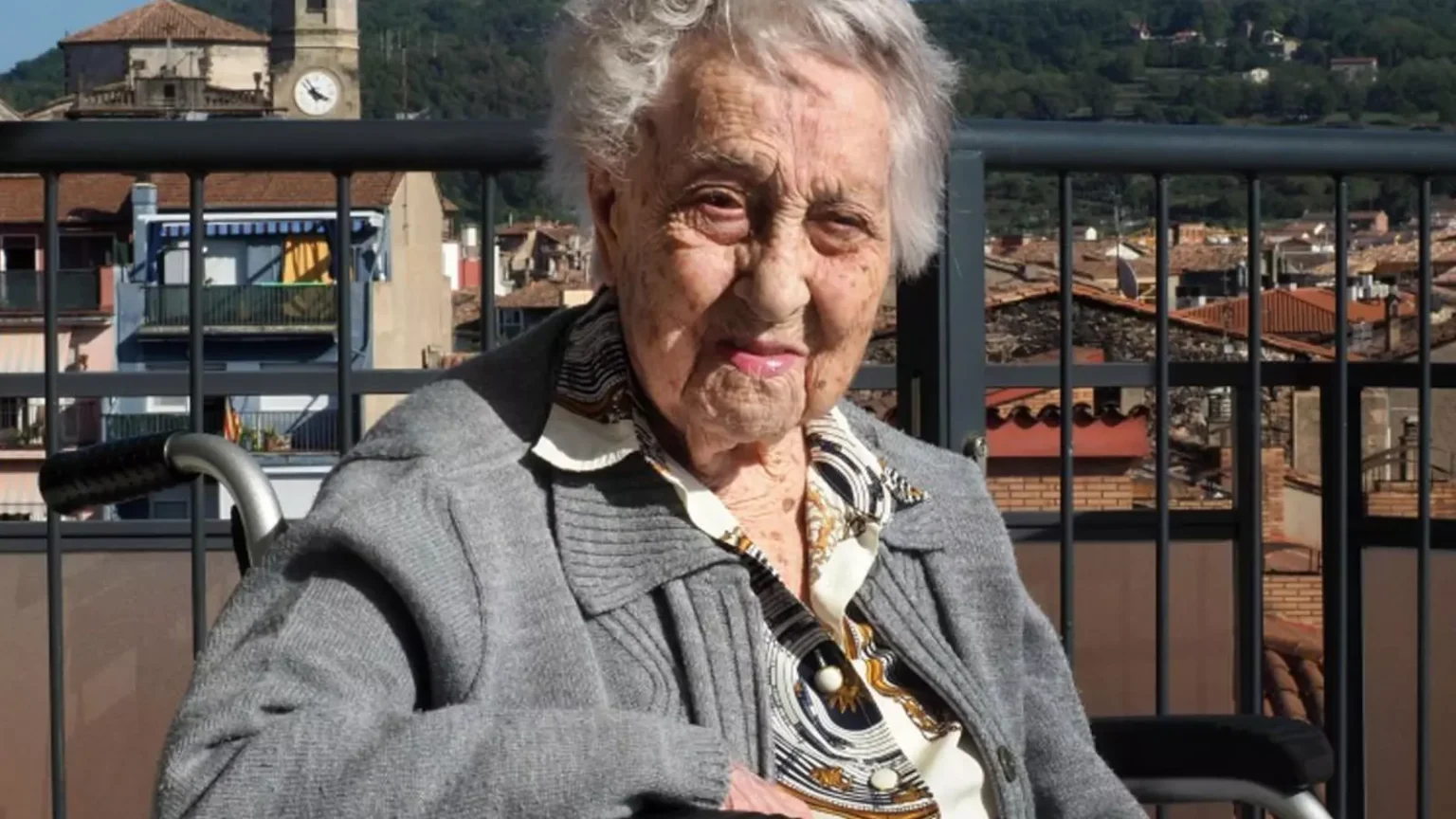

Spain’s former oldest person in the world was able to live for so long thanks to her gut health.
That’s the verdict of health experts who have been studying the genome of Maria Branyas, who died at the age of 117 in August 2024.
According to researchers, a gut ecosystem nourished by fibre-rich foods and probiotics strengthens the immune system, reduces chronic inflammation and lowers the risk of disease.
Researchers who analysed Maria’s ageing process concluded that her exceptional health was closely linked to an unusually stable and diverse gut microbiota.
According to research led by Spanish scientist Manel Esteller, Branyas had a microbiota ‘similar to that of a young girl’ and a genetic profile that gave her a biological age around 17 years younger than her chronological one.
This combination helped protect her from many age-related illnesses and kept systemic inflammation remarkably low well into extreme old age.
Diet played a central role. Branyas followed a Mediterranean diet and, for decades, consumed up to three yoghurts a day – specifically from the Catalan brand La Fageda.
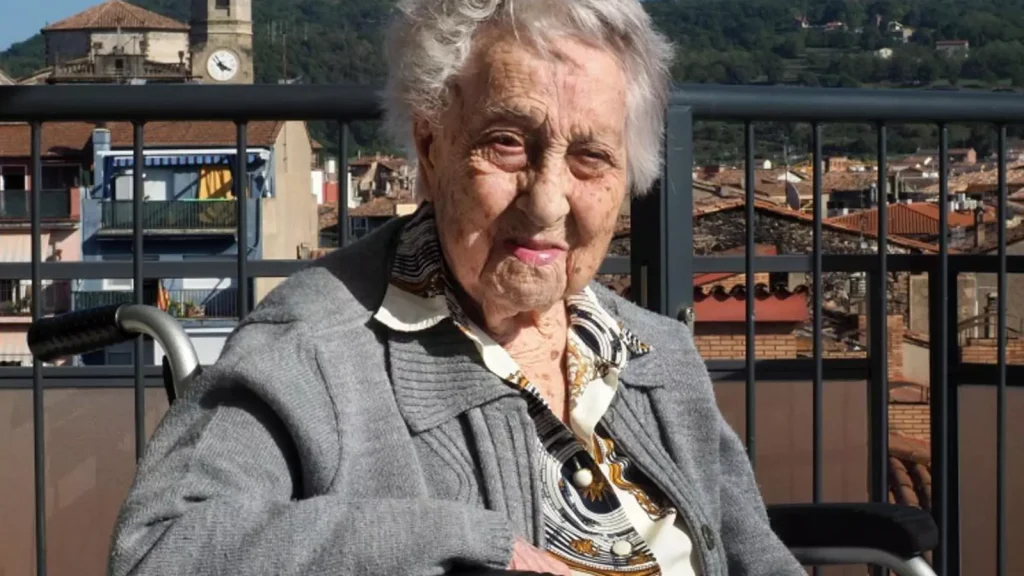

Researchers believe this long-term, consistent intake of live probiotic cultures was a key factor in maintaining the health and balance of her intestinal bacteria.
La Fageda produces its yoghurts using milk from its own farms and nearby cooperatives, with fermentation processes designed to preserve a high level of live bacteria throughout the product’s shelf life.
These microorganisms help support digestion, nutrient absorption and immune regulation – functions increasingly recognised as central to long-term health.
While genetics undoubtedly played a role in Branyas’s extraordinary lifespan, researchers stress that her case reinforces a broader message: caring for gut health over a lifetime, through diet rather than supplements or shortcuts, may be one of the most powerful, and overlooked, foundations of healthy ageing.