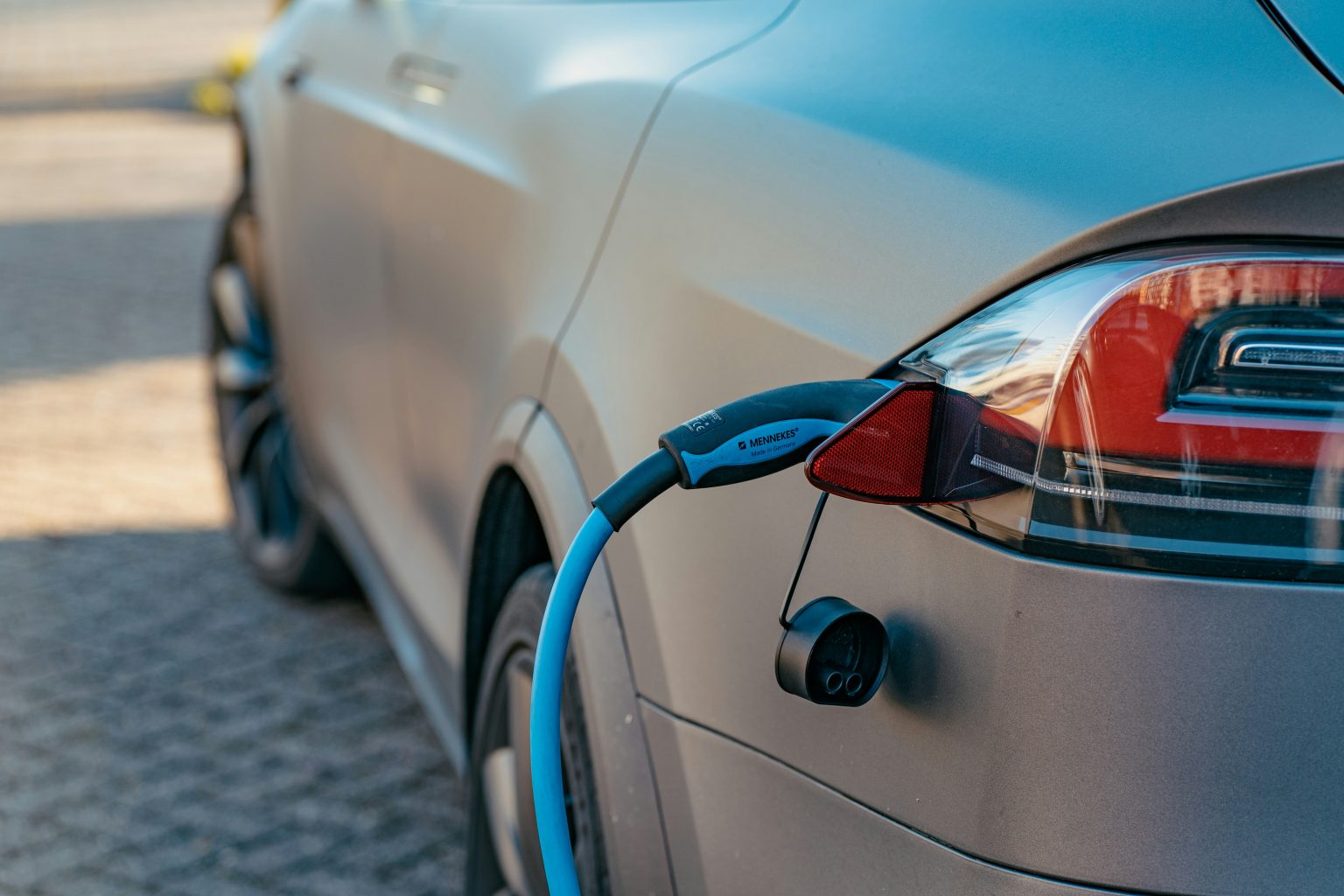

Installing an electric vehicle charging point in a private garage space in Spain no longer requires permission from the residents’ association, following a clear ruling by the Tribunal Supremo (Supreme Court).
In a judgment issued on December 1, the highest court in the land confirmed that owners can install a charger in their own allocated parking space without needing authorisation from the community.
However, it must be provided that the installation does not cause unnecessary or disproportionate damage to communal areas or proven harm to other residents.
The ruling puts an end to a common source of conflict in apartment blocks and strengthens the legal position of homeowners opting for electric vehicles.
The Supreme Court upheld a decision by the Alicante Provincial Court, rejecting a residents’ association’s attempt to force the removal of a private charging point.
The key lies in Article 17.5 of Spain’s Horizontal Property Law, which the court says is clear: owners must notify the community in advance, but do not need approval or a vote.
All installation and electricity costs must be covered by the owner.
The court also confirmed that cabling can run through communal areas such as ceilings or structural elements, as this is considered inherent to such installations.
Only where the impact is excessive, unsafe or avoidable would a community be entitled to object.
Crucially, the Supreme Court stressed that requiring authorisation would undermine the purpose of the law, which is to remove barriers to electric mobility.
From now on, this ruling sets a firm precedent, offering greater legal certainty for thousands of residents looking to install EV chargers in shared garages across Spain.