
Storm Claudia is hitting Spain and already causing problems in parts of Andalucía, with multiple alerts for heavy rain and in some areas even tornadoes.
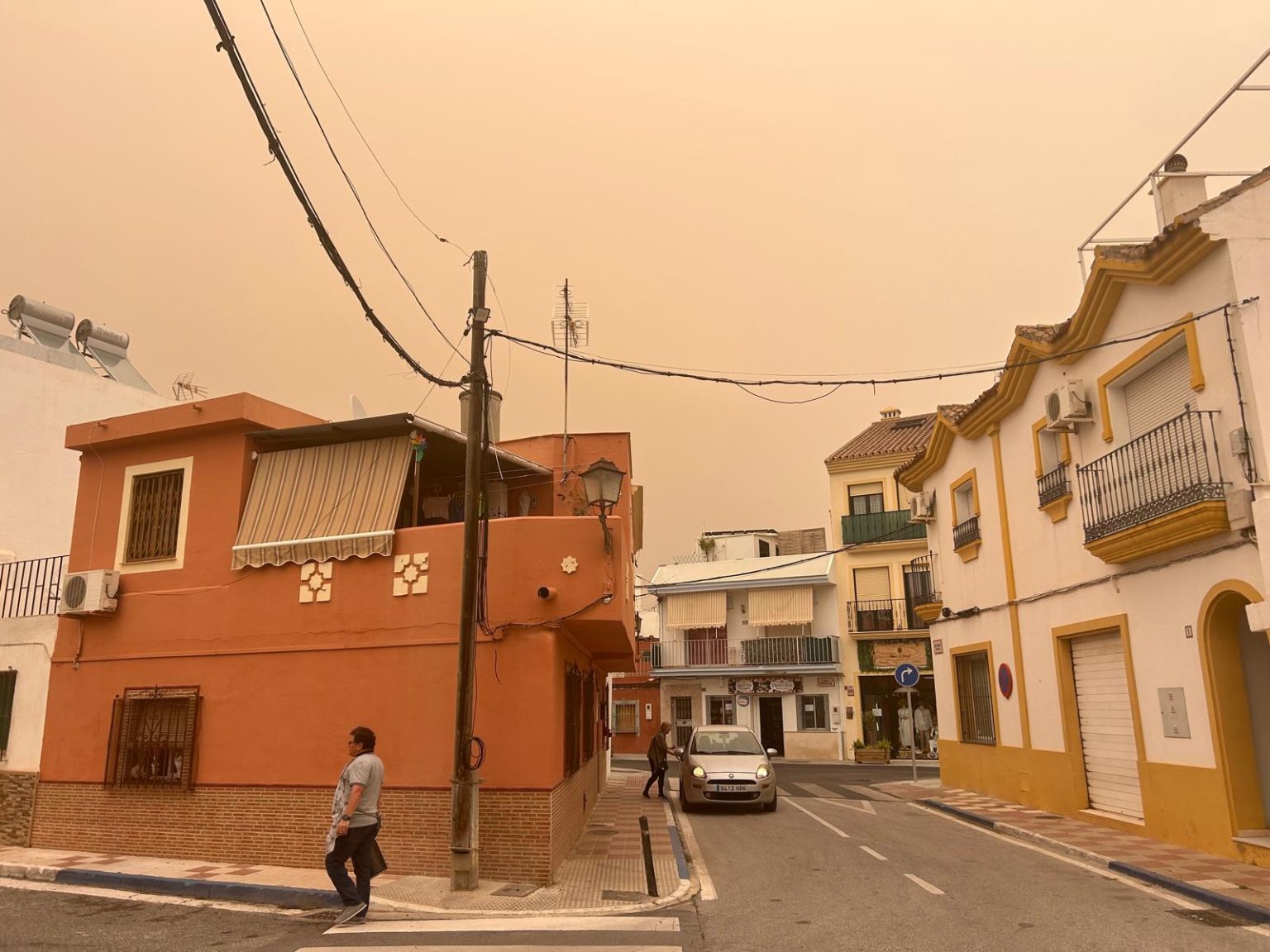
Forecasters are also warning that the system will drag in Saharan dust and warm winds over the south and east of the country, creating the phenomenon widely known as ‘blood rain’ or mud rain.
According to Meteored, the areas most likely to be affected include eastern Spain and the Balearic Islands, plus parts of Andalucia.
The ‘calima’ phenomenon occurs when airborne particles, typically desert sand but sometimes volcanic ash, mix with moisture in the atmosphere.
When it rains, the droplets fall with a reddish tint. While unusual, these events are not unheard of in Spain, and health professionals urge caution, especially for people with respiratory conditions.
The microscopic nature of the dust means it can be inhaled deep into the lungs. Spain’s National Statistics Institute estimates that around 7% of the population has asthma, while roughly 10% of adults over 40 live with COPD, underscoring the potential health risks during heavy dust episodes.
Medical experts say dust intrusions of this kind can irritate the airways and trigger allergic reactions such as rhinitis or worsen asthma symptoms. People with chronic lung diseases, including COPD, are considered particularly vulnerable.
The Spanish COPD Patients’ Association explains that these fine particles dry out the nasal passages, causing irritation.
Similar reactions can occur in the throat and eyes, potentially leading to pharyngeal and ocular discomfort.
In more severe cases, inflammatory responses may contribute to cardiac complications, including arrhythmias.
Although calima events in Spain are relatively infrequent, prolonged exposure to suspended dust is associated in scientific literature with long-term respiratory and cardiovascular risks.
Health authorities recommend several precautionary measures when blood rain or dense calima is forecast:
- Stay indoors when possible: Limit time outside during periods of intense dust, and ensure indoor spaces are well ventilated.
- Use face masks: Suitable masks can help reduce the inhalation of dust and sand particles.
- Follow prescribed treatments: People with COPD or asthma should stick closely to their medical treatment plans, including bronchodilators or inhaled corticosteroids if prescribed.
- Maintain good hygiene: Frequent handwashing and avoiding touching the face can reduce exposure.
- Seek medical advice if symptoms worsen: Difficulty breathing, persistent coughing or increased mucus production should be assessed by a healthcare professional.