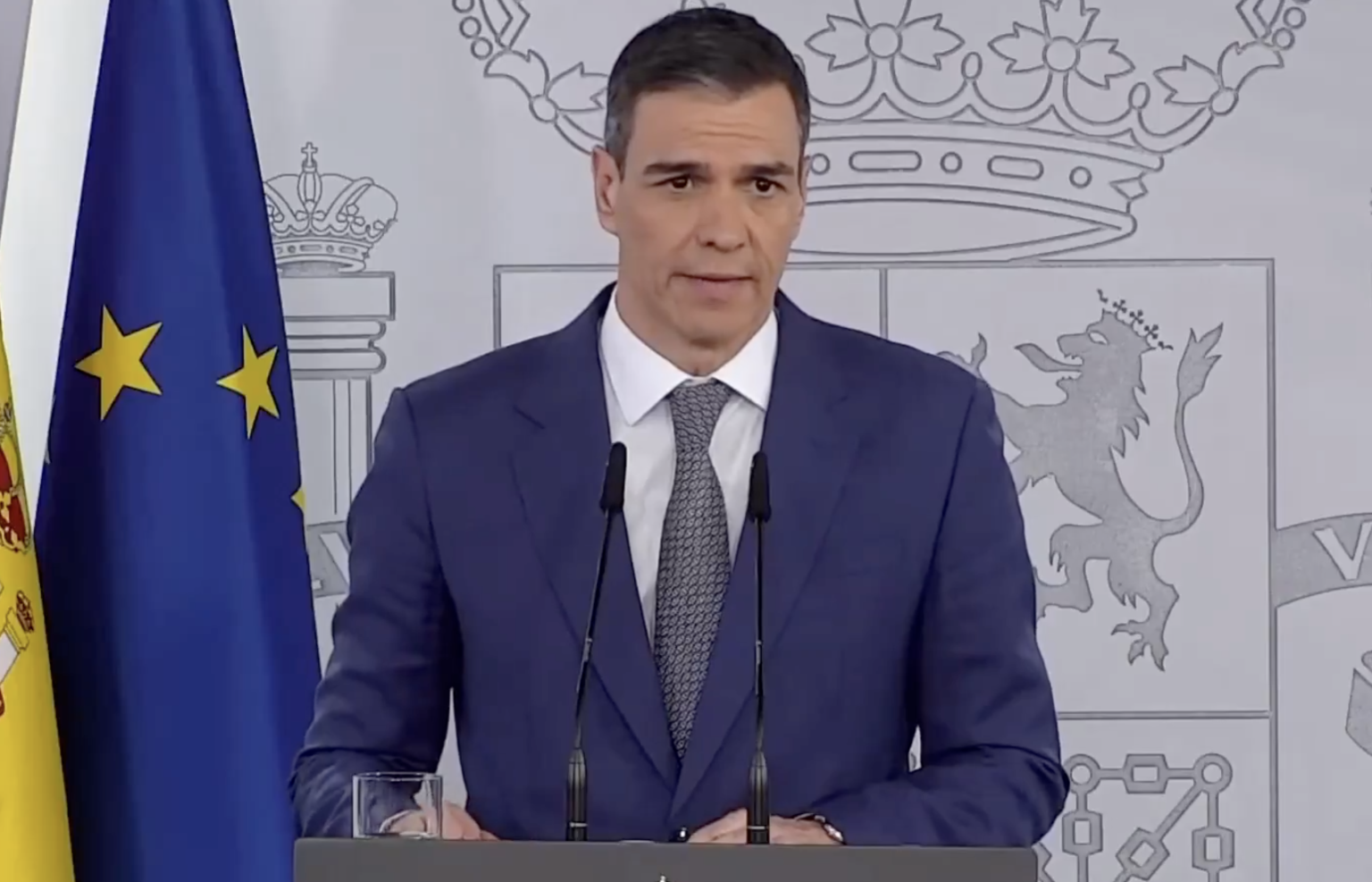

Spain’s socialist government has sparked criticism after announcing plans to increase the costs of being self-employed.
Spain’s Ministry of Inclusion, Social Security and Migration proposed a hike in social security contributions for so-called ‘autonomos’ starting in 2026.
Under the draft plan, those earning less than €670 a month would pay €217.37, while those earning over €6,000 a month would face payments of €796.24.
The new proposal includes increases across all 15 income bands, with rises ranging from €17 at the lower end to €206 at the top, according to the government’s presentation at the ongoing social dialogue roundtable with unions, business groups, and self-employed associations.
Further increases are already on the table for 2027 and 2028. Contributions in 2027 would range from €234.73 to €1,002.49 depending on income, and by 2028 they’d rise again, from €252.10 at the bottom tier to €1,208.73 for the highest earners.
Backlash from self-employed associations
The response from major self-employed groups has been mixed. Lorenzo Amor, president of the National Federation of Self-Employed Workers’ Associations (ATA), slammed the move as a ‘hammer blow’ and said political parties in Congress will have to show their hand when the proposal is presented as a Royal Decree.
He voiced his frustration on social media, criticising what he sees as unfairly high contributions: €200 a month for someone earning less than €3,000 a year, €450 for someone earning €30,000, and between €1,000 and €2,500 for those making over €38,000.
Amor also opposed the scheduled increases for 2027 and 2028.
Meanwhile, Eduardo Abad, head of the Union of Professionals and Self-Employed Workers (UPTA), described the proposal as ‘improvable’, especially in terms of social protections and the structure of income bands. He indicated that UPTA will push for revisions.
Abad also called for the creation of a lower contribution band to accommodate artists and content creators with low earnings – particularly those making under €4,000 annually – who may already be affiliated with other regimes but wish to register as self-employed.
These negotiations aim to define a new framework for self-employed contributions covering the years 2026 to 2028, which is part of Spain’s ongoing shift toward a system where payments are directly tied to real income. The full transition is set to be completed by 2032.
For now, the system allows workers to select from income brackets that reflect their expected earnings, with the flexibility to move between bands multiple times a year to better match their financial reality.
A timetable agreed in 2022 set up these negotiations every three years, with annual reviews to ensure that actual contributions align with real income.
If discrepancies are found, self-employed workers may receive a refund – or be required to pay the difference – to Spain’s social security system.