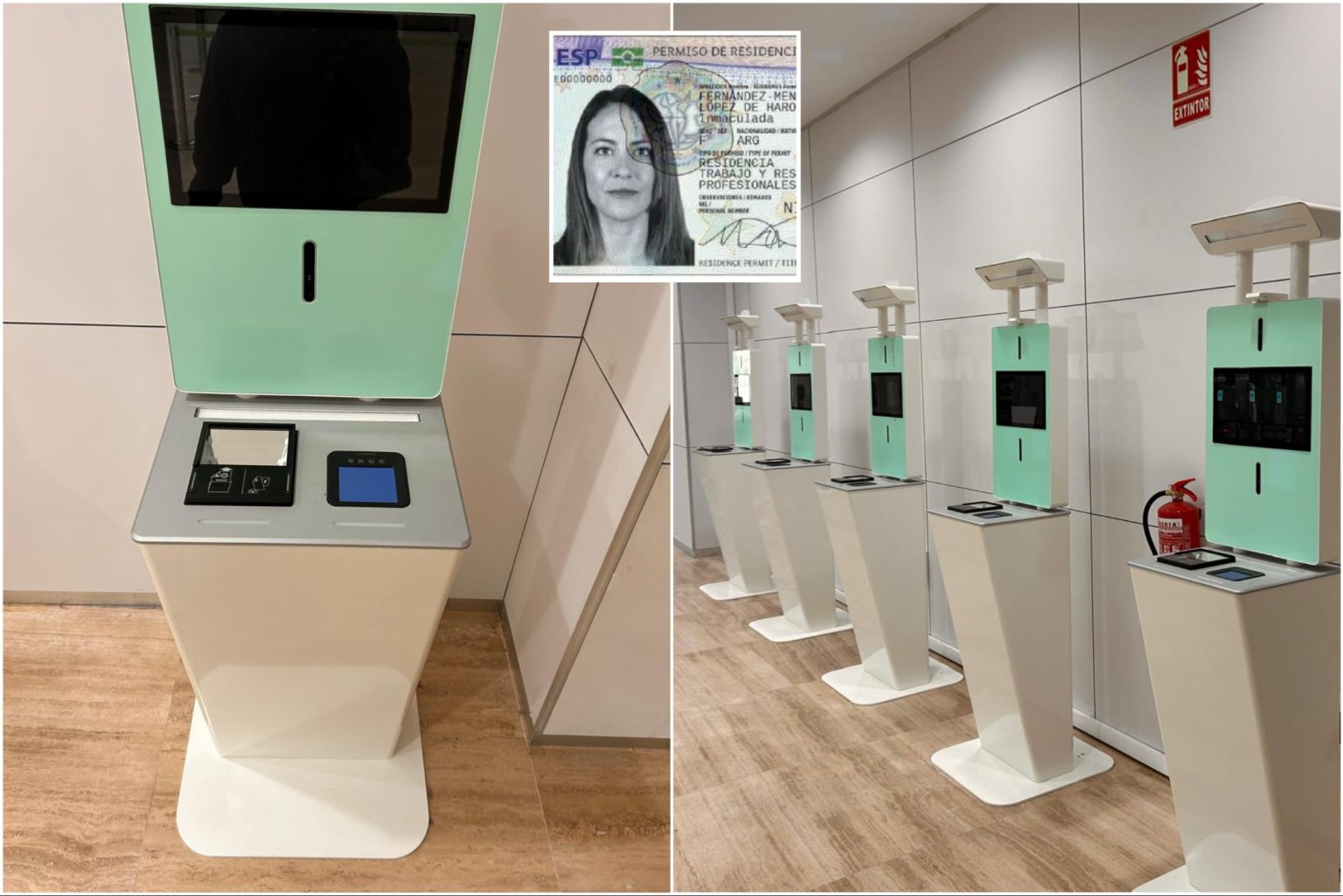

From today, travellers arriving to the EU may notice something new at passport control.
The bloc is finally rolling out its long-delayed Entry/Exit System (EES) – a biometric database designed to record the fingerprints, facial images, and movements of non-EU visitors entering or leaving the Schengen Area.
For many, that means goodbye to the old passport stamp. But what about the tens of thousands of British nationals who now call Spain home?
The good news is that if you hold a valid TIE (Tarjeta de Identidad de Extranjero) – the residence card issued to Britons covered under the UK–EU Withdrawal Agreement – you are exempt from the new system.
What is the EES?
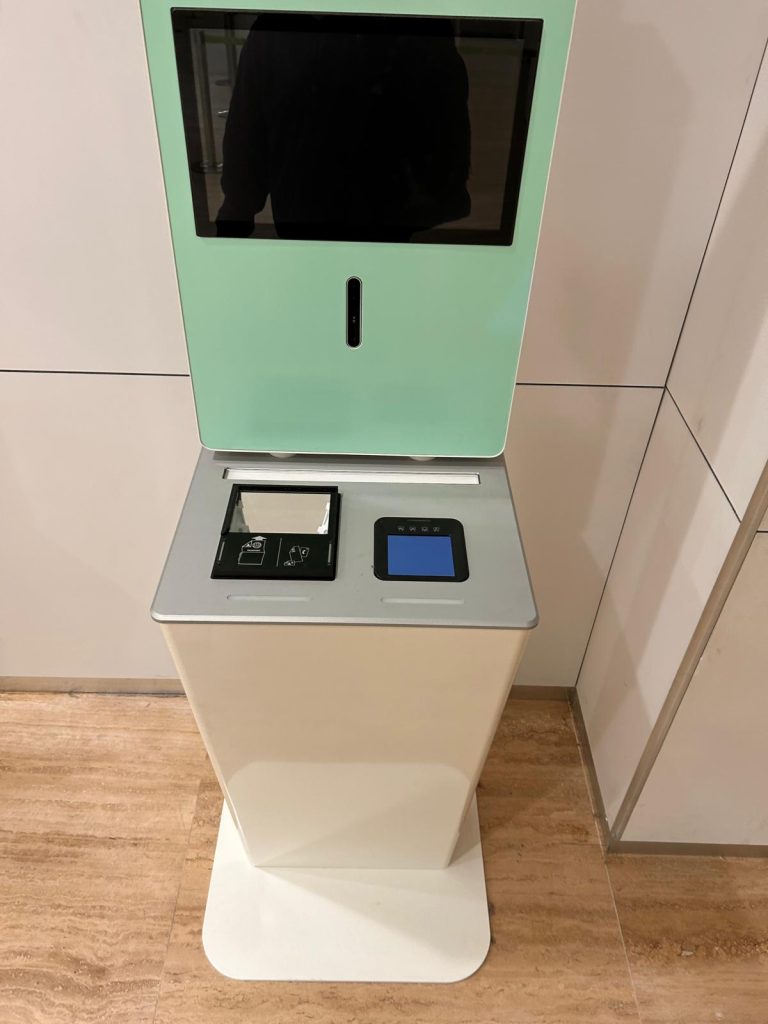
The EES is replacing manual passport stamping with an automated digital process. On arrival at a Schengen external border, non-EU travellers will have their face and fingerprints scanned, and their entry and exit times recorded in a shared EU database.
The system aims to tighten border security and enforce the 90-days-in-180 rule that applies to tourists and short-term visitors. It will also help flag overstays and monitor visa-free travel more accurately across all member states.
Who has to use it?
The EES applies to all non-EU nationals entering the Schengen Area for short stays – including British holidaymakers, second-home owners, and other visitors who don’t hold EU residency.
If you fly into Malaga, Alicante, or Madrid from the UK, for example, and you’re not a legal resident, you’ll need to use the new machines to register your biometrics before entering.
Why TIE holders are exempt
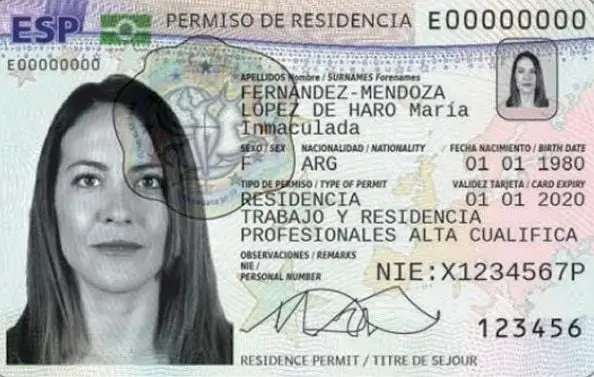
According to Spain’s Ministry of Inclusion, Social Security and Migration, and the European Commission’s border guidance, anyone who holds a valid Spanish residence permit – including Britons protected by the Withdrawal Agreement – will not have to register under the EES.
That’s because the system only tracks short-stay entries, not residents. Your TIE already identifies you as a long-term legal resident of Spain, meaning your movements aren’t recorded in the EES database.
Put simply: if you live in Spain full-time and have the correct residency card, you’ll continue to show your TIE and passport at the border – but won’t need to go through the biometric kiosks used by visitors.
Britons who never switched their old green residence certificate for the newer TIE are advised to do so as soon as possible. The Interior Ministry website warns that the TIE is the ‘only’ document that will exempt them from the EES.
Where is it in force in Spain?
Madrid Barajas Airport is the first travel hub in the country to trial the new EES, with scanners up and running from today (October 12).
Other airports are very close to launching their EES scanners and have until April 2026 to do so.
Read more Spain travel news at the Spanish Eye.