


Could the key to protecting your brain be found in your local Spanish market?
Many of my clients ask me what foods can help protect their brain and slow down cognitive decline later in life.
While there is no concrete proof that eating certain foods can prevent diseases like dementia, studies have suggested that some can help protect brain cells.
READ MORE: ‘I’m taking Mounjaro in Spain, what is safe to eat?’: DANI ALCEDO explains
As always, keeping your brain and body healthy is not just about what you consume, but also keeping fit and active and maintaining a healthy social life, among other factors.
Below are some foods that could give your brain a boost if eaten regularly and as part of a healthy lifestyle.
Nuts and almonds: Andalucia’s super snack
Nuts are one of the most brain-friendly snacks.
Packed with vitamin E, walnuts and almonds have been linked to improved memory and reduced risk of age-related cognitive decline.
A small handful a few days a week is sufficient, I recommend a portion size of no more than 30g.
Fish from the coast
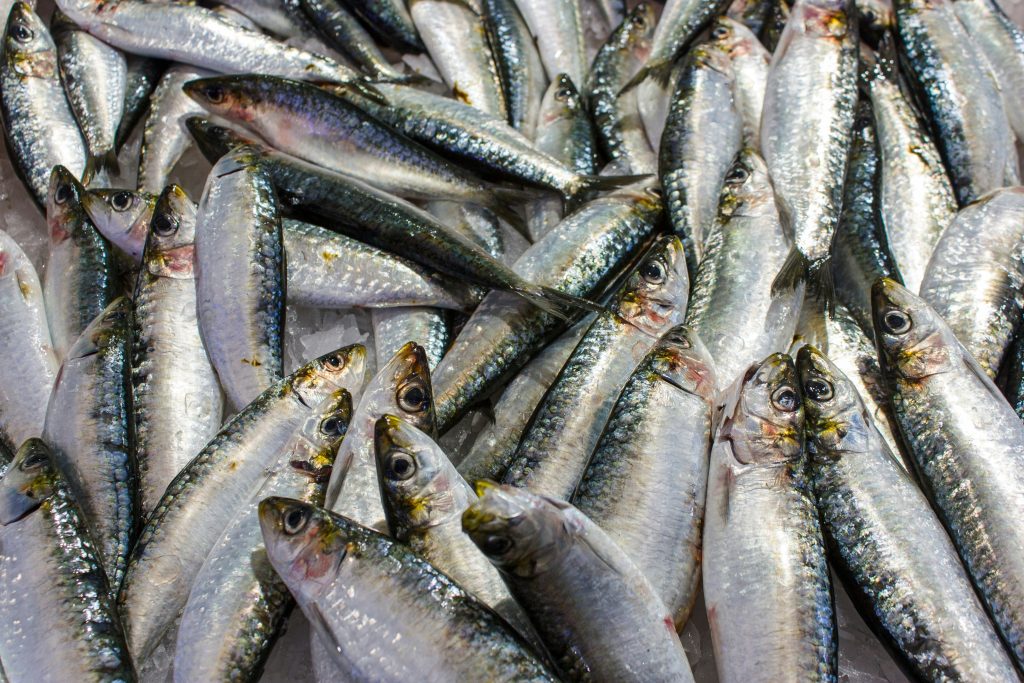
Whether it’s sardines grilled at a chiringuito or tuna steaks from Barbate, oily fish rich in omega-3 fatty acids – in moderation – can be beneficial for brain health.
Omega-3s are structural components of brain cells, so you should try to eat fish two times a week.
Fresh fruit and veg – the Mediterranean rainbow
From the tomatoes in your morning pan con tomate to the aubergines in a Granada tapas bar, Spain’s colourful produce provides the polyphenols and vitamins that help protect neurons.
The more variety of colours on your plate, the better the long-term protection for your overall health, including your brain.
Scientists have long championed the Mediterranean diet as one of the healthiest in the world. It’s not just about what you eat, but how you eat it: fresh, seasonal, locally sourced foods, enjoyed slowly and often shared with others.

Research has linked the diet to lower rates of heart disease, obesity, diabetes and even certain cancers.
Its emphasis on healthy fats, plant-based foods and lean proteins can reduce inflammation, protect blood vessels and regulate cholesterol.
Nothing is proven on dementia risk
While many studies have linked these foods to better brain health, they have not yet been statistically proven to reduce dementia risk.
I also would not recommend eating large amounts of nuts and fish every single day.
This is because they are rather oily and can be quite calorific, which may not be beneficial, especially in patients looking to lose weight.
As always, food is only part of the puzzle. Regular exercise, strong social ties, and mental stimulation – all common features of Spanish life – amplify the protective effects of diet.
Cut back on booze and cigarettes
Alcohol is increasingly recognised as a risk factor for dementia, with research suggesting even moderate drinking can have long-term effects on the brain.
Alcohol damages brain cells and can contribute to brain shrinkage, particularly in regions linked to memory and executive function.
Heavy and prolonged drinking is especially harmful, as it can cause alcohol-related brain damage (ARBD), but even lower levels of intake have been associated with reduced brain volume and poorer cognitive performance in later life.
Meanwhile, cigarette smoke contains thousands of harmful chemicals that damage blood vessels, reduce oxygen supply, and promote chronic inflammation.
Over time, this significantly increases the risk of vascular dementia and contributes to the development of Alzheimer’s disease.
Smokers are estimated to have a significantly higher chance of developing dementia than non-smokers, and the risk rises the longer a person smokes.