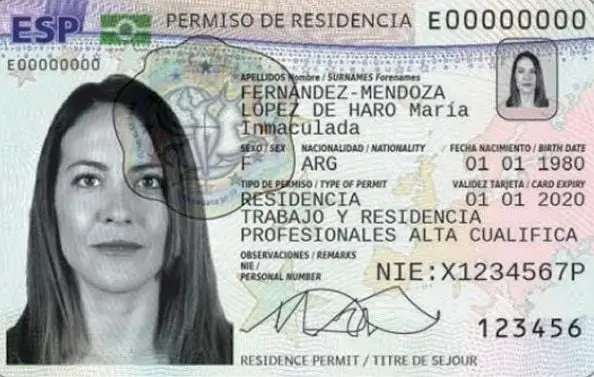

If you’re a Brit living in Spain (or elsewhere in the EU) and you hold a TIE (Tarjeta de Identidad de Extranjero) under the Withdrawal Agreement, you may be wondering how the EU’s new Entry/Exit System (EES) will affect you.
The good news is that mostly, you won’t need to worry, but there are a few caveats worth being aware of.
What is the Entry/Exit System (EES)?
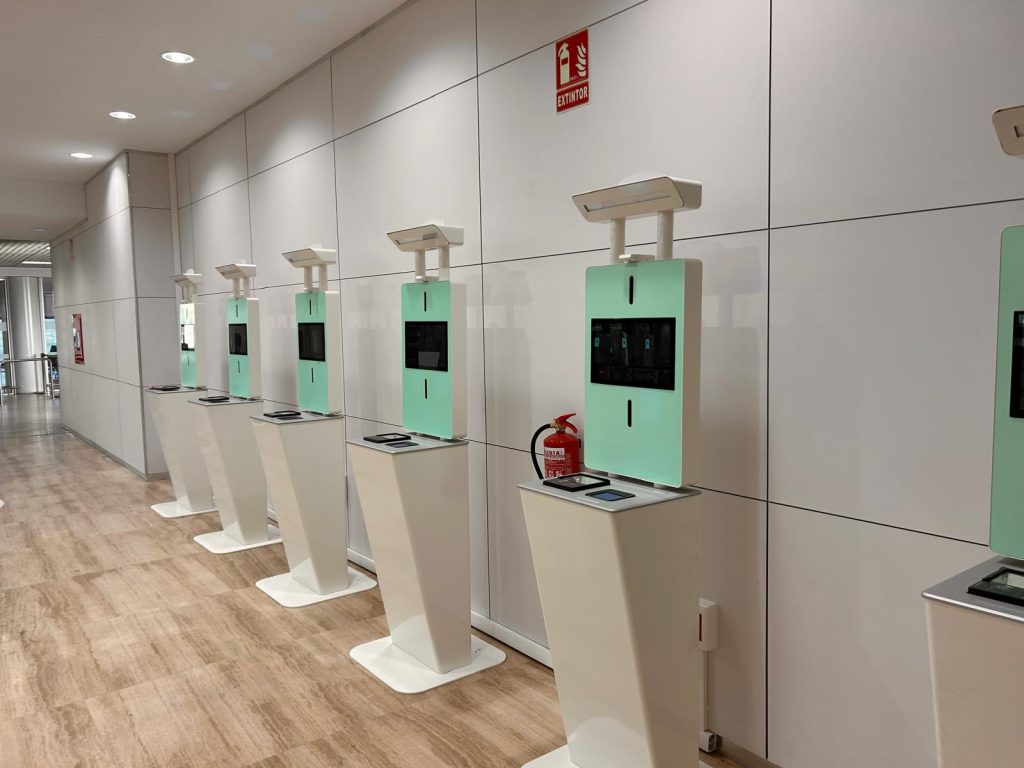
- Starting October 12, 2025, the EU will automate how non-EU nationals are registered entering and leaving the Schengen Area.
- Under EES, instead of manual passport stamps, biometric data (fingerprints + face image) and entry/exit timestamps will be recorded electronically.
- The system is intended to strengthen border security, prevent overstays, and speed up processing at external Schengen borders.
Who is exempt from EES?
You do not have to register under EES if you fall into certain categories. One of the exemptions is:
- Holders of a residence permit or residence card issued by an EU or Schengen country (which includes TIE cards for British nationals as beneficiaries of the Withdrawal Agreement)
In practice, this means if you present your TIE at the border, you should not be processed under the standard EES entry/exit check that applies to tourists and short-term visitors.
So do you need to do anything?
If you already have a valid TIE, there’s not much extra you need to do. But there are some practical tips and warnings:
Bring your TIE when travelling: At border control, always present both your passport and TIE. Without the TIE, you could be processed as a visitor subject to EES.
Green certificate holders: If you still hold the older “green certificate” (Certificado de Registro de Ciudadano de la Unión) instead of a biometric TIE, that document will not be accepted for EES exemption. You should exchange it for a TIE.
Situation at borders: Even if you’re correctly exempt, there’s a possibility that an EES record might be created in error. In those cases, it should be deleted retroactively (often directly at border control).
Keep your TIE valid and up to date: Make sure it hasn’t expired, and that your address or other details are current.
The rollout of EES is phased; some border crossings might adapt later, so stay alert to local updates.