
Andalucia, Spain’s southernmost region, aka ‘autonomous community’, is a land of contrasts.
- 1. Almeria – The desert meets the sea
- 2. Cadiz – Where the Atlantic spirit reigns
- 3. Cordoba – Legacy of a caliphate
- 4. Granada – From the Alhambra to the Sierra Nevada
- 5. Huelva – Cradle of exploration
- 6. Jaen – Land of olive oil and castles
- 7. Malaga – Beaches, Picasso and beyond
- 8. Sevilla – The beating heart of Andalucia
Stretching from the Mediterranean to the Atlantic, from olive groves to snow-capped mountains, and from vibrant cities to sleepy whitewashed villages, it is divided into eight provinces.
Each has its own distinct identity, traditions, and attractions. Here’s a closer look at what makes each of them unique.
1. Almeria – The desert meets the sea
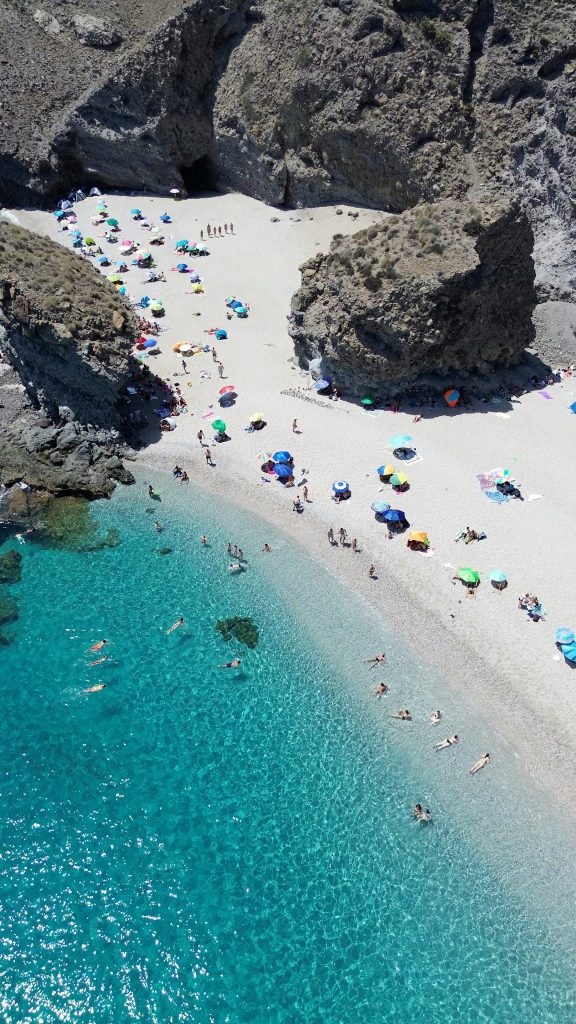
Almeria is a land of extremes. It is home to Europe’s only desert, the Tabernas, which lies inland, while the pristine beaches of the Cabo de Gata-Níjar Natural Park offer some of Spain’s most unspoiled coastlines.
The province is also the engine of Europe’s fruit and vegetable production, with its famous ‘sea of plastic’ greenhouses feeding much of the continent.
READ MORE: Must visit: Beach with dark history is ‘jewel’ of Andalucia, says National Geographic
For film buffs, the desert landscapes have served as sets for spaghetti westerns and modern blockbusters alike.
Fans can take a tour of iconic sets at theme parks like the Oasys MiniHollywood and Fort Bravo, which come highly recommended.
2. Cadiz – Where the Atlantic spirit reigns
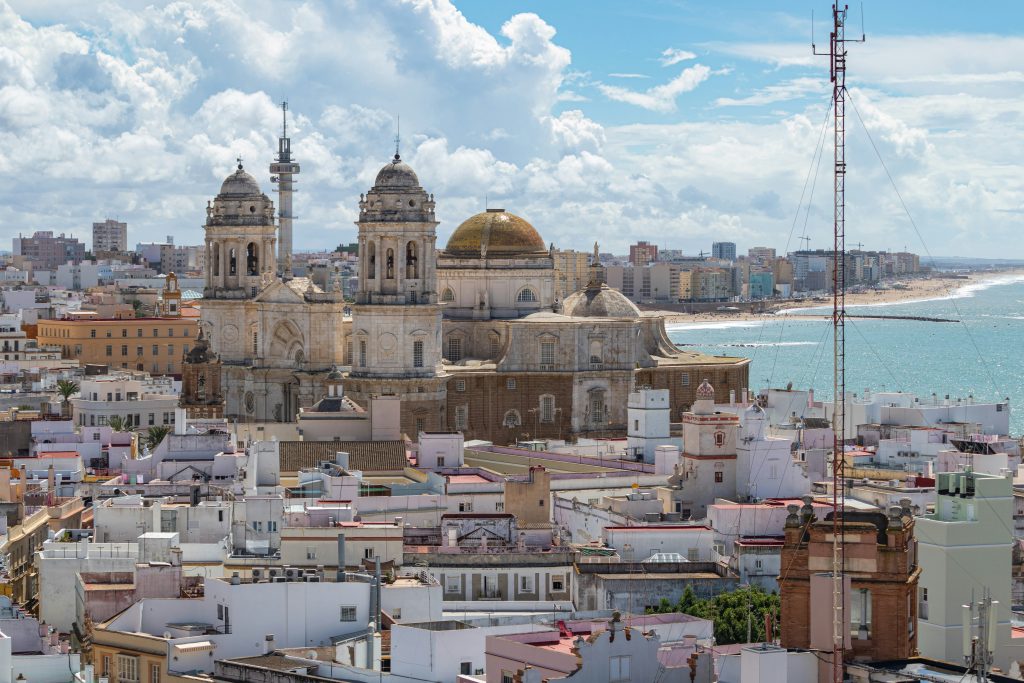
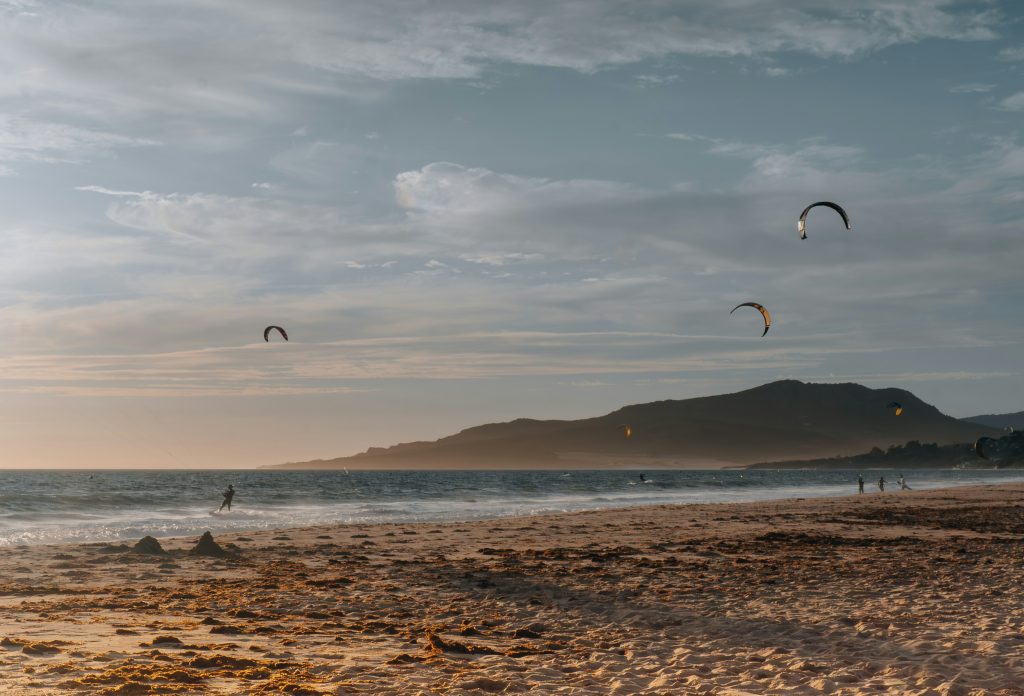
Known for its carefree atmosphere, Cadiz is home to sherry wine (Jerez de la Frontera), flamenco, and golden Atlantic beaches.
The provincial capital, also called Cadiz, is one of the oldest cities in Western Europe, with over 3,000 years of history.
READ MORE: Cadiz tourism boom as number of visitors soar
The annual Carnival of Cadiz is world-famous for its satirical performances.
Offshore, Tarifa marks the meeting point of the Mediterranean and Atlantic, a paradise for kitesurfers and nature lovers spotting migrating birds and whales.
3. Cordoba – Legacy of a caliphate
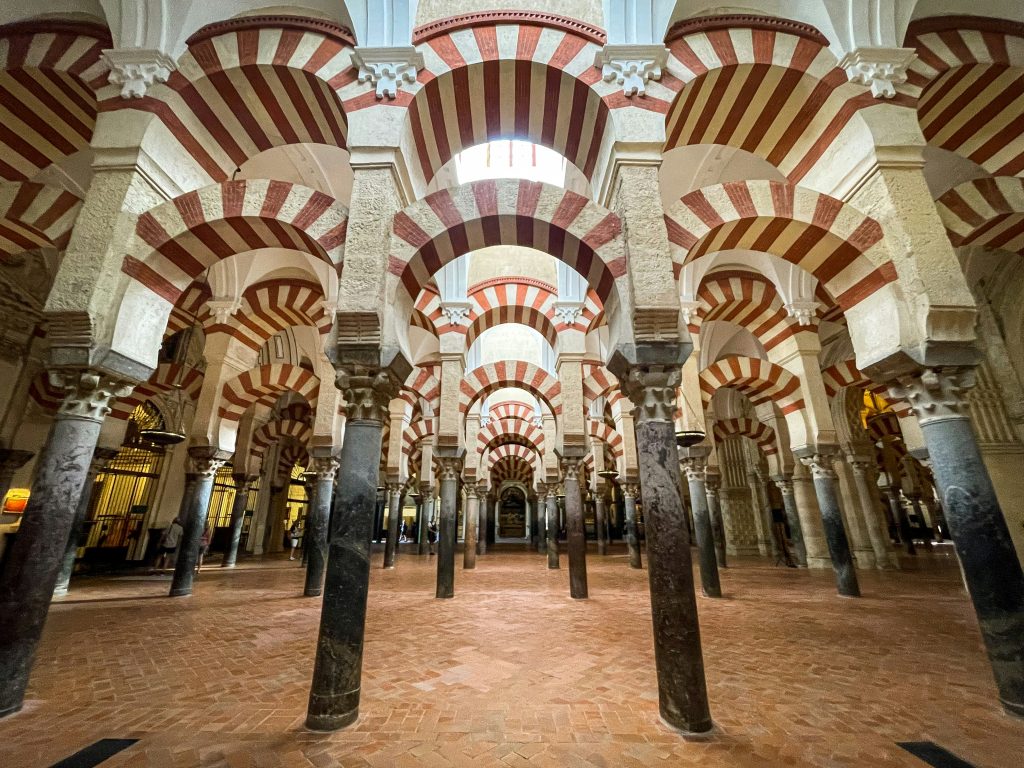
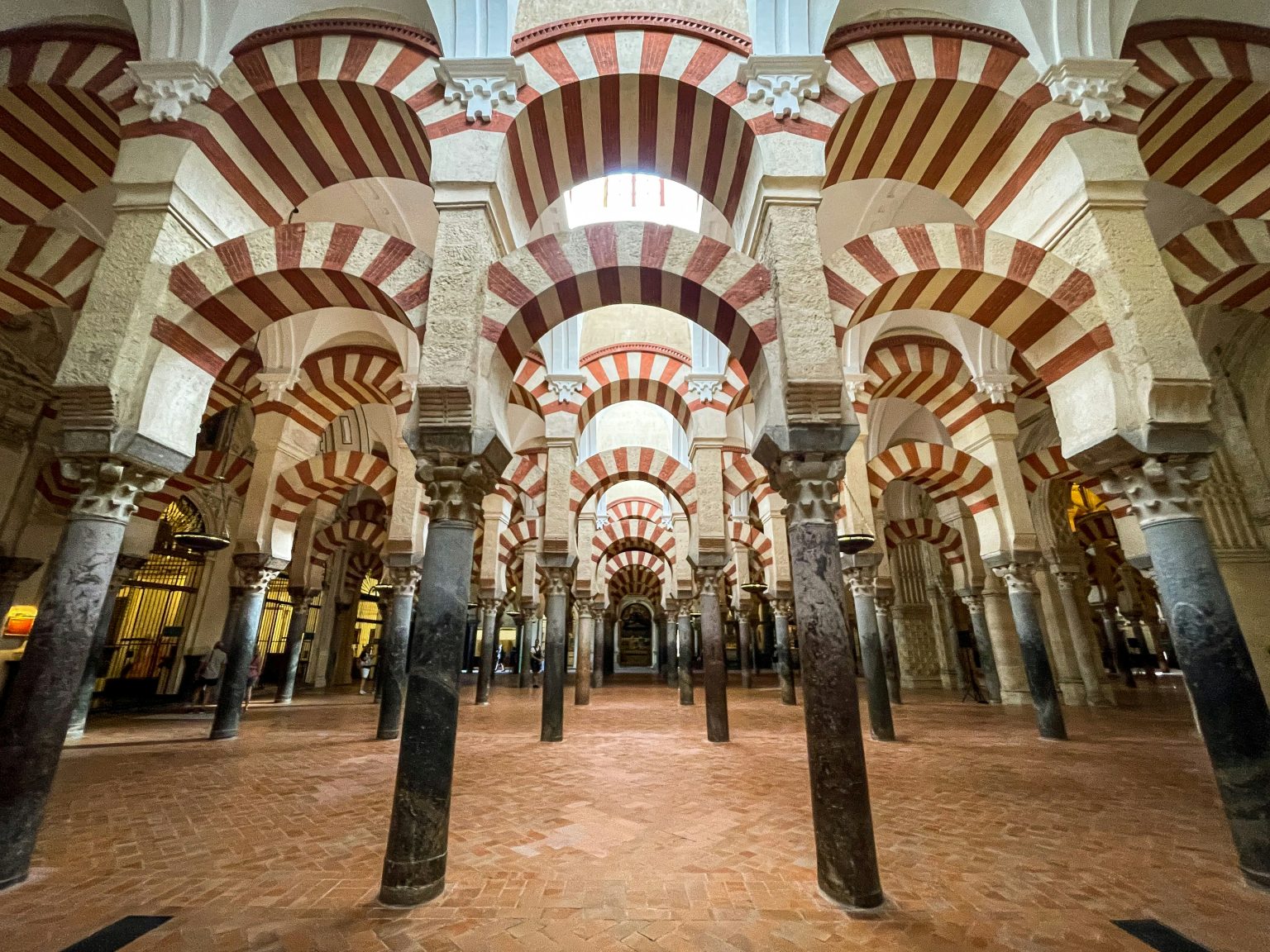
Córdoba’s crown jewel is its Mezquita-Catedral, a masterpiece of Islamic architecture symbolising centuries of cultural fusion.
The city’s old town, with its labyrinthine streets and flower-filled patios, has earned UNESCO World Heritage status.
Beyond the capital, the province is dotted with olive groves and mountain villages, while the Sierra Morena provides a rugged backdrop.
Cordoba also has a strong culinary tradition, with dishes like salmorejo (delicious cold soup, similar to gazpacho) and flamenquin )slices of pork loin rolled with Serrano ham, then breaded and deep-fried to a golden brown color).
4. Granada – From the Alhambra to the Sierra Nevada
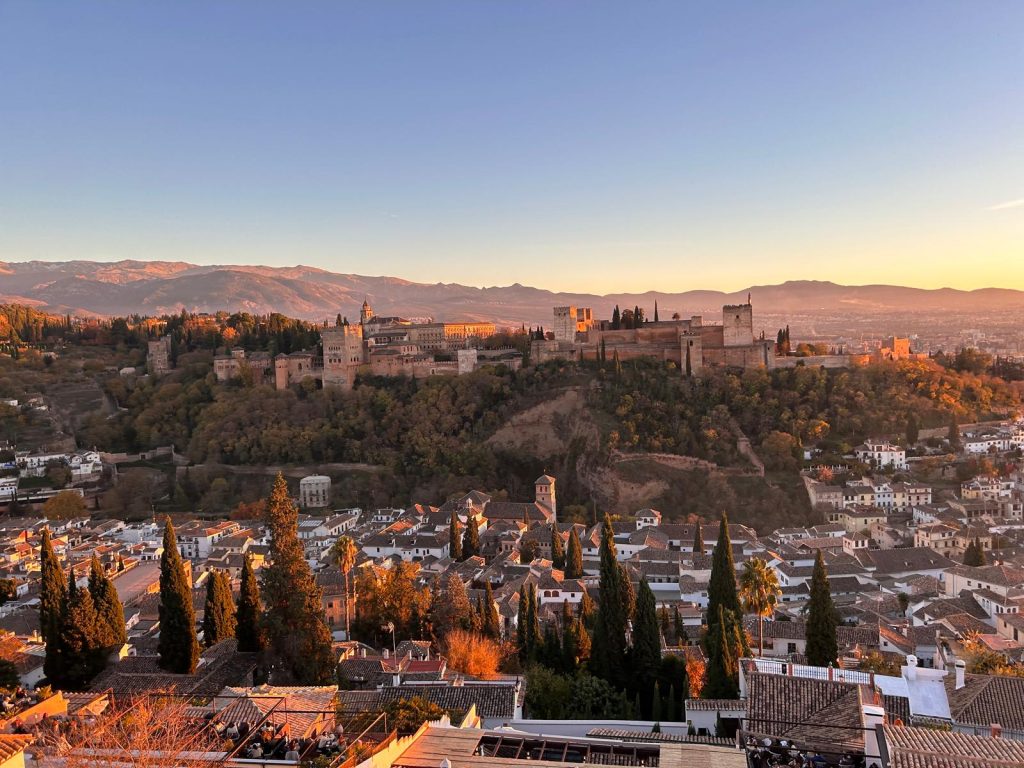
Granada is synonymous with the Alhambra, the Nasrid palace complex that embodies Andalucía’s Moorish past.
But the province offers far more: the Alpujarras, a cluster of whitewashed villages on the southern slopes of the Sierra Nevada; Europe’s southernmost ski resort in Pradollano; and warm beaches along the Costa Tropical.
Granada city itself blends a youthful university vibe with centuries-old tapas culture.
5. Huelva – Cradle of exploration
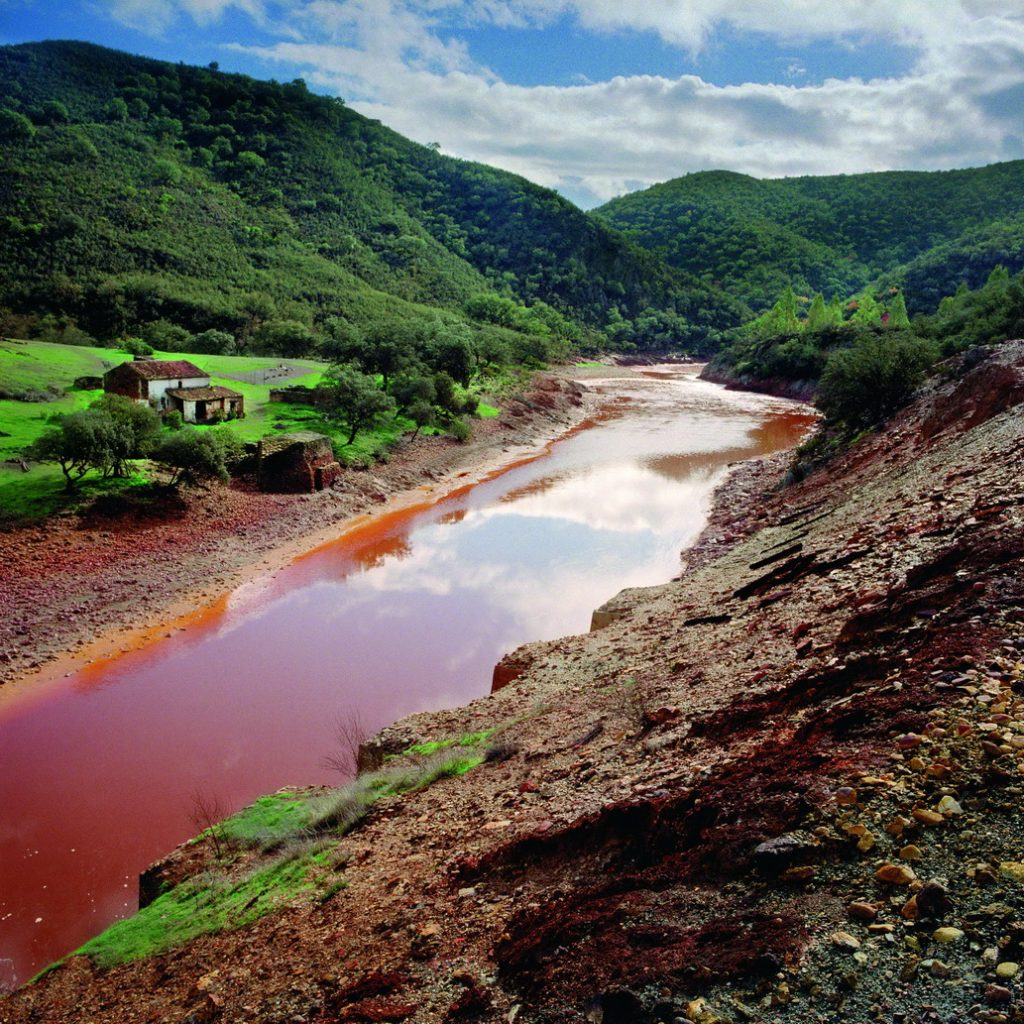
READ MORE: How British workers at the Rio TInto mines left a huge mark on Huelva
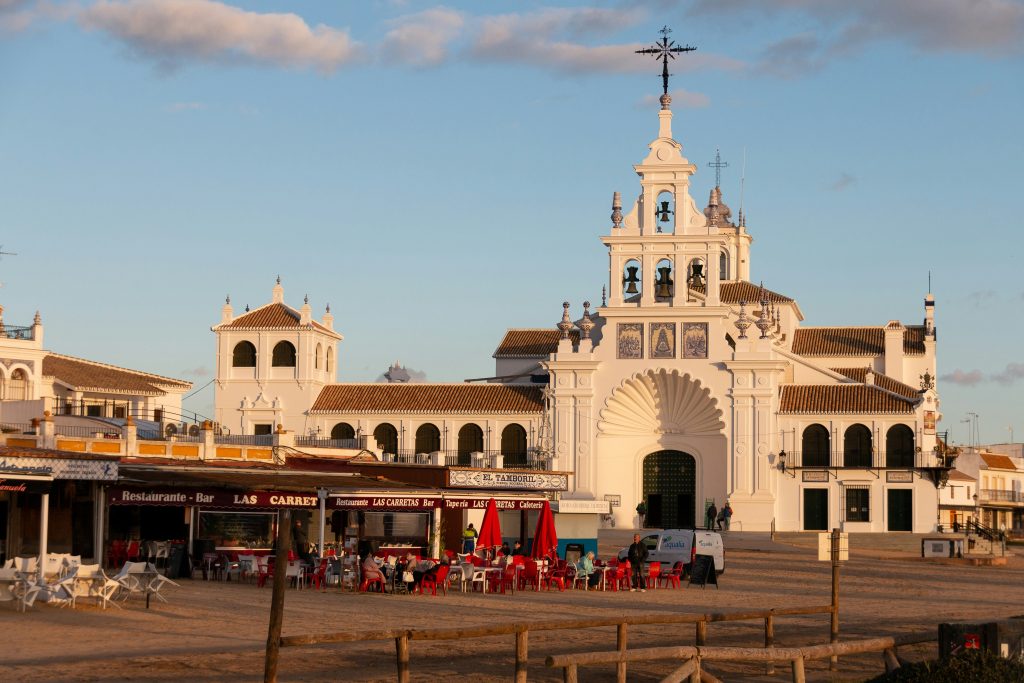
Huelva is where Christopher Columbus set sail for the New World, a legacy preserved in the Lugares Colombinos around Palos de la Frontera.
The province also boasts the stunning Doñana National Park, a UNESCO Biosphere Reserve home to the endangered Iberian lynx.
Its coastline, the Costa de la Luz, which stretches to Cadiz, is a favourite among Spaniards for summer holidays.
Meanwhile, the province’s mining past can be seen at the dramatic Rio Tinto landscapes, which resemble the surface of Mars.
6. Jaen – Land of olive oil and castles
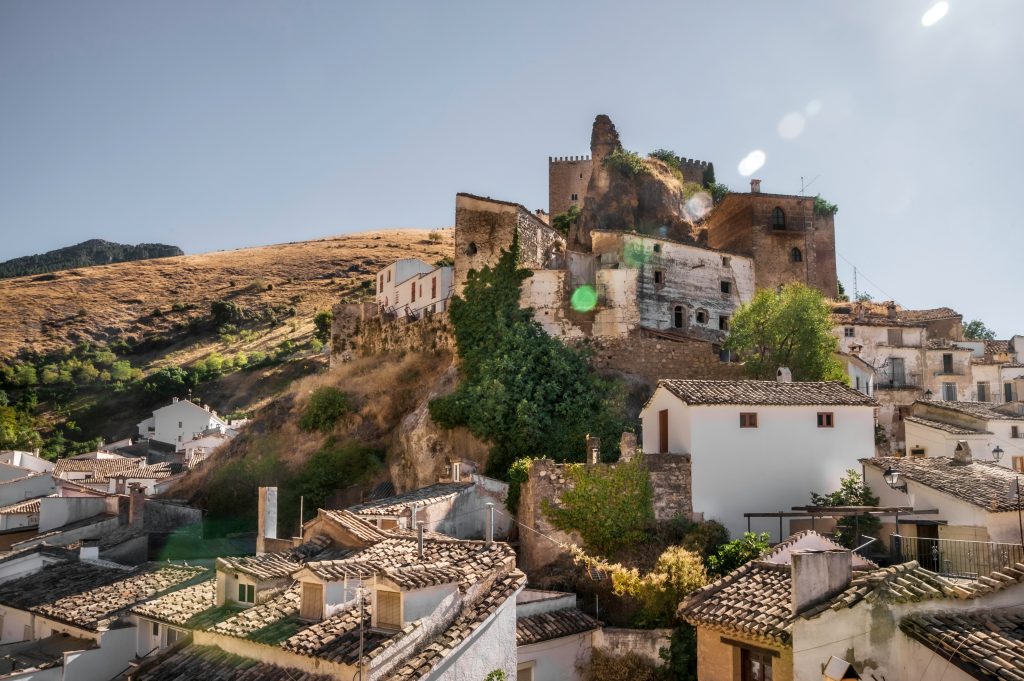
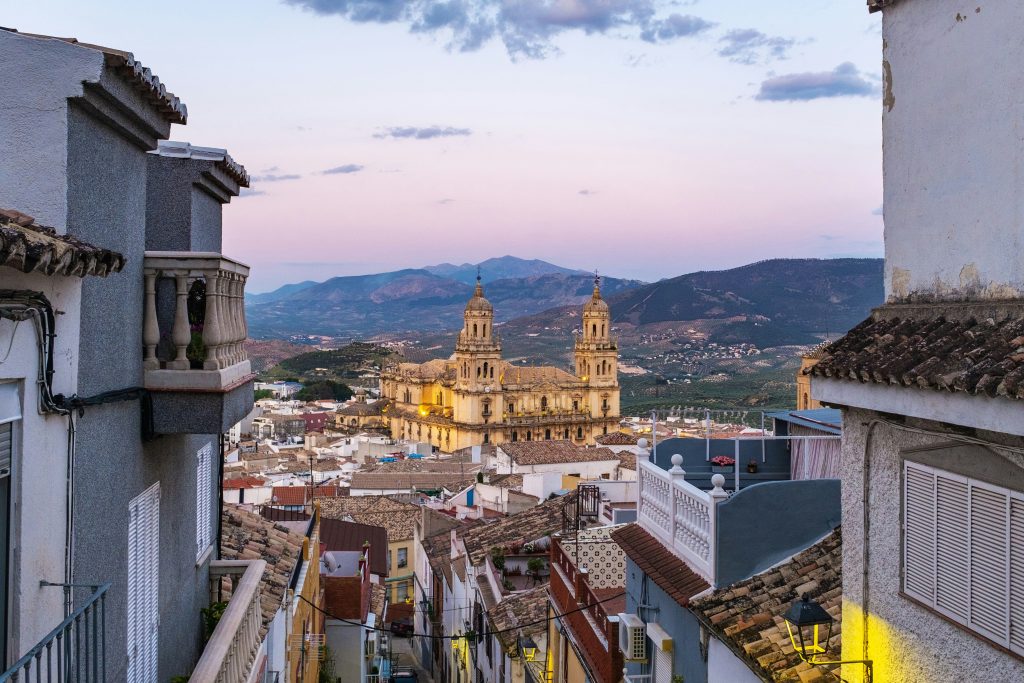
Jaen is the world capital of olive oil, with millions of trees carpeting the hillsides.
It also claims the highest concentration of castles and fortresses in Europe, testimony to its strategic importance during the Reconquista.
The Renaissance towns of Úbeda and Baeza are UNESCO-listed gems, while nature lovers flock to Sierras de Cazorla, Segura y Las Villas Natural Park, Spain’s largest protected area.
7. Malaga – Beaches, Picasso and beyond
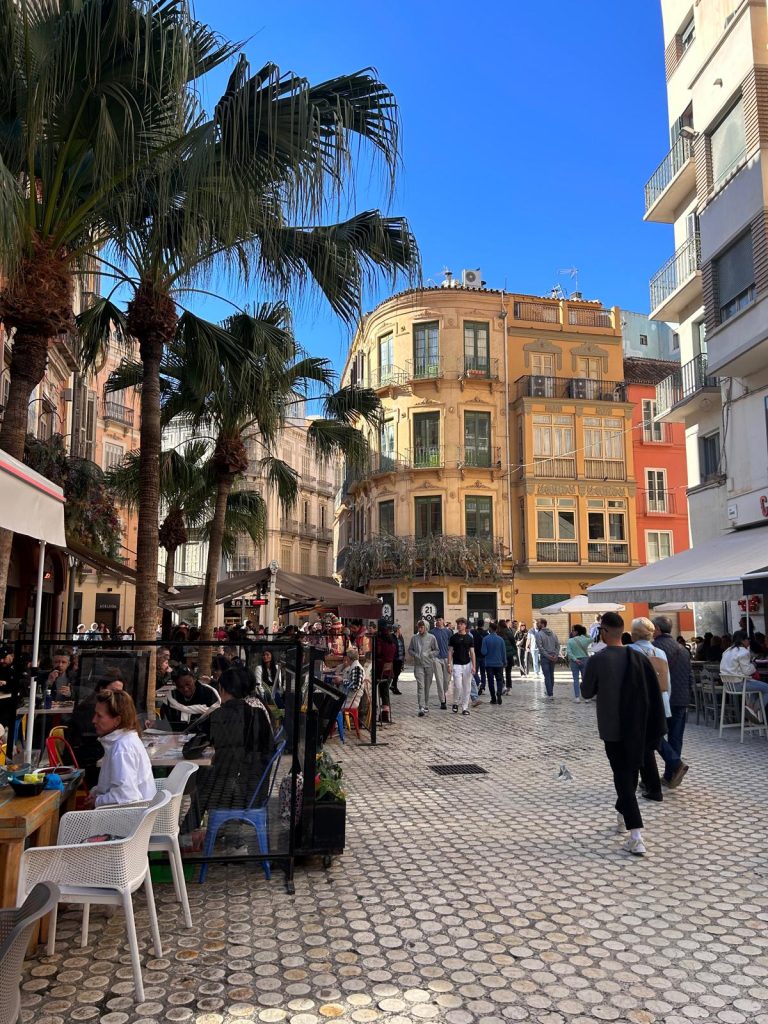
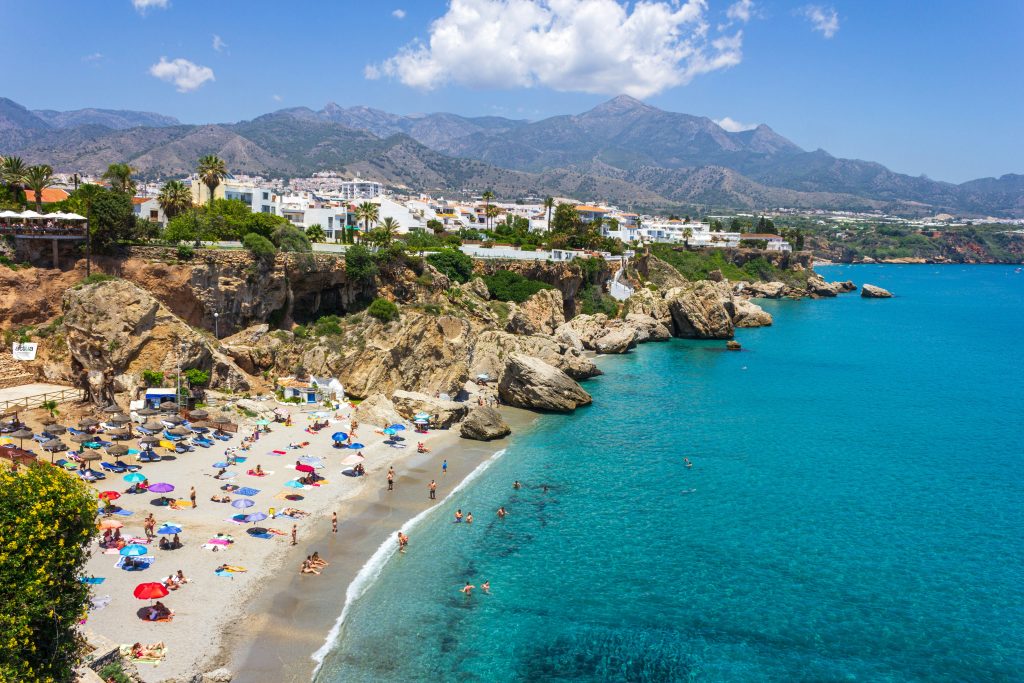
Malaga province is best known for the Costa del Sol, a tourist magnet with its resorts, golf courses and buzzing nightlife.
Yet Malaga city has also reinvented itself as a cultural hub, home to the Picasso Museum and a thriving gastronomic scene.
Inland, the province surprises with the dramatic Caminito del Rey, the pueblos blancos of the Serranía de Ronda, and fertile valleys filled with avocados and mangoes.
Don’t forget Ronda city itself, one of most iconic tourist destinations in Spain.
The blend of coast and countryside makes Malaga one of Andalucía’s most diverse provinces.
8. Sevilla – The beating heart of Andalucia
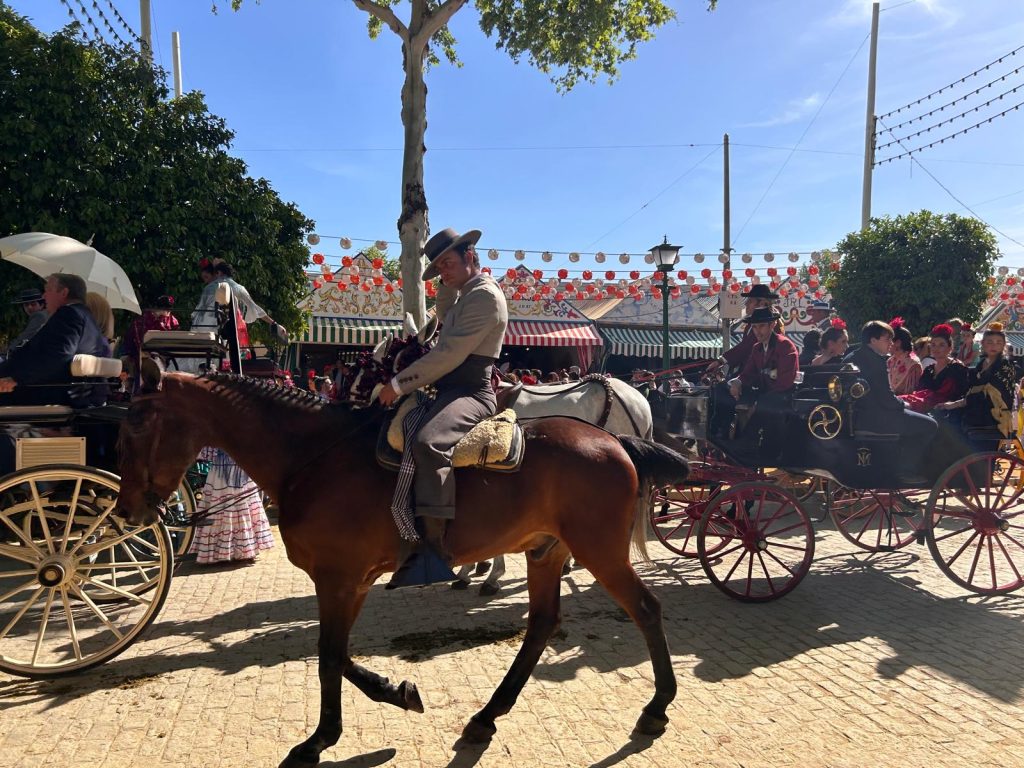
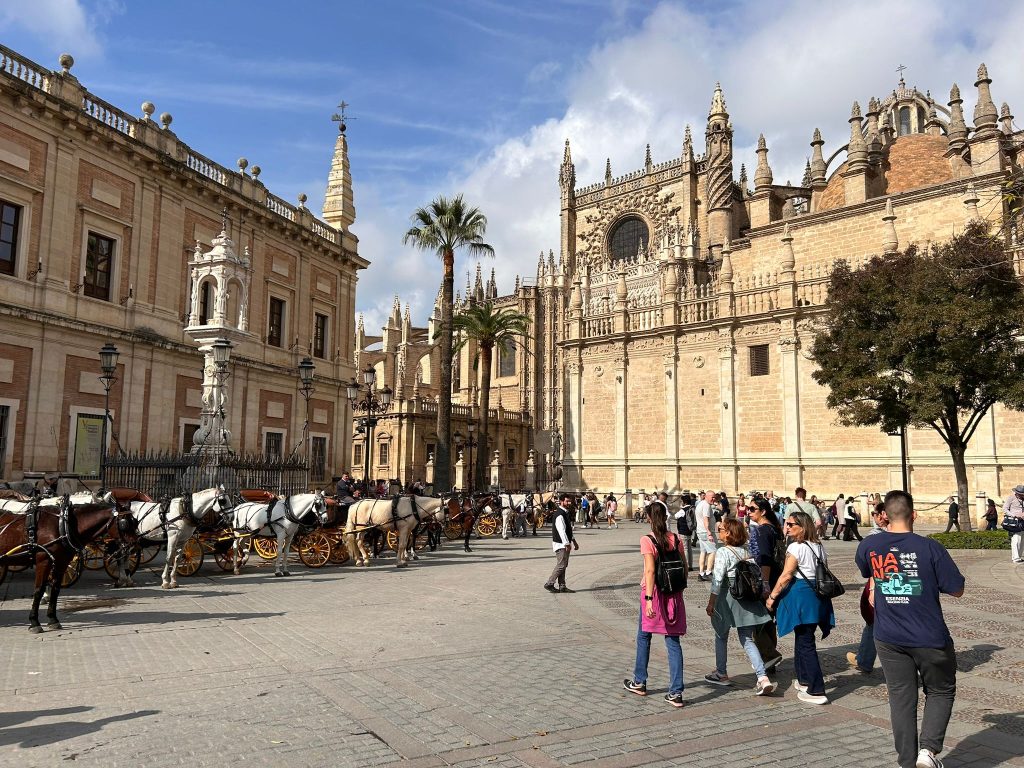
Sevilla, the region’s capital, embodies Andalucia’s essence: flamenco, tapas and festivals like Feria de Abril and Semana Santa.
Its monumental landmarks, including the Giralda, the Alcazar and the Cathedral, tell of a rich past as a hub of global trade during Spain’s Golden Age.
The Guadalquivir River has always been Sevilla’s lifeline, connecting it to the Atlantic.
The province beyond the capital is dotted with fertile plains, orange groves, and charming towns like Carmona and Osuna.
Together, these eight provinces weave the fabric of Andalucia, a land where Moorish palaces coexist with Renaissance cathedrals, where olive groves roll endlessly into the horizon, and where the Mediterranean sun and Atlantic breeze shape daily life.
For visitors and residents alike, each province offers its own doorway into the soul of southern Spain.
Read more Andalucia news at the Spanish Eye.