
The battle for Spain’s shopping baskets has delivered a clear verdict, according to sales results for the first eight months of 2025.
The data shows Mercadona holds 27.3% of the national grocery market, after adding another 0.7 percentage points compared to the same period last year.
Nowhere is its grip firmer than on its home turf in Valencia, where it controls more than a third of sales.
Part of Mercadona’s winning formula lies in its ability to attract ‘big basket’ shoppers.
Four out of every ten large shopping trolleys roll through its checkouts, thanks in part to investments in fresh counters like fish and eggs, and the growing range of ready-to-eat meals that appeal to time-pressed customers.
The big five
Spain’s food retail market is heavily concentrated. Alongside Mercadona, just four other chains together capture more than half of all consumer spending:
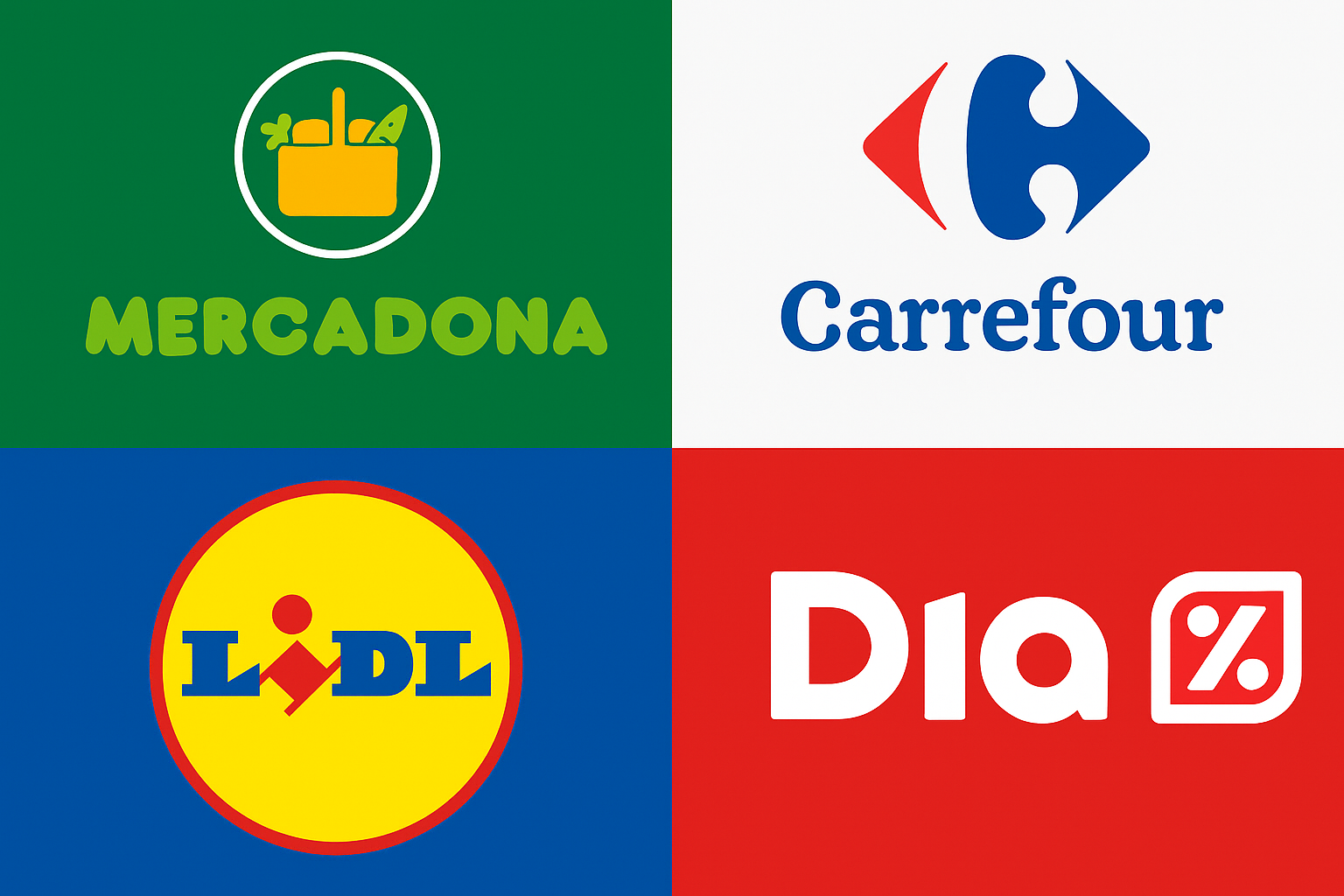
- Carrefour remains the second force with 9%, but has lost ground as hypermarkets fall out of favour.
- Lidl sits in third place with 6.9%, and continues to rise, attracting more shoppers with an expanded product range.
- Eroski holds on to fourth with 4.3%, boosted by regional strength.
- Dia, once on the ropes, has staged a comeback, regaining 3.7% and pulling in more than 44% of households at least once this year.
Rising challengers, fading formats
Lidl has emerged as the biggest threat to Mercadona’s supremacy, gaining 0.5 points in market share. Aldi is also quietly making strides, now holding 1.9% after adding almost two percentage points of new customers.
Carrefour, by contrast, is struggling. It has shed one full point as its hypermarkets fail to keep pace with changing shopping habits, even as its smaller ‘Express’ stores attempt to stem the losses. Alcampo, too, has slipped back, hit by store closures.
The numbers tell a clear story: hypermarkets, once the kings of retail, now represent just over 10% of the market, a steep drop from their heyday. Spanish consumers increasingly favour mid-sized and discount stores closer to home.
Shoppers play the field
Economic pressures have also made shoppers more cautious. While household spending on groceries is up 3.5%, customers are spreading their purchases across different chains.
Some 13.6% of shopping trips involve visiting more than one supermarket on the same day – a trend dubbed ‘planned infidelity.’
Private labels continue to reign, accounting for 45.9% of sales, though their meteoric rise is slowing slightly.
Discount and limited-assortment chains now command nearly 40% of the market, showing how strongly low prices and efficiency resonate with today’s households.
Regional supermarket groups are also carving out a larger slice, up to 18.4%, proving that local know-how and proximity remain valued assets.