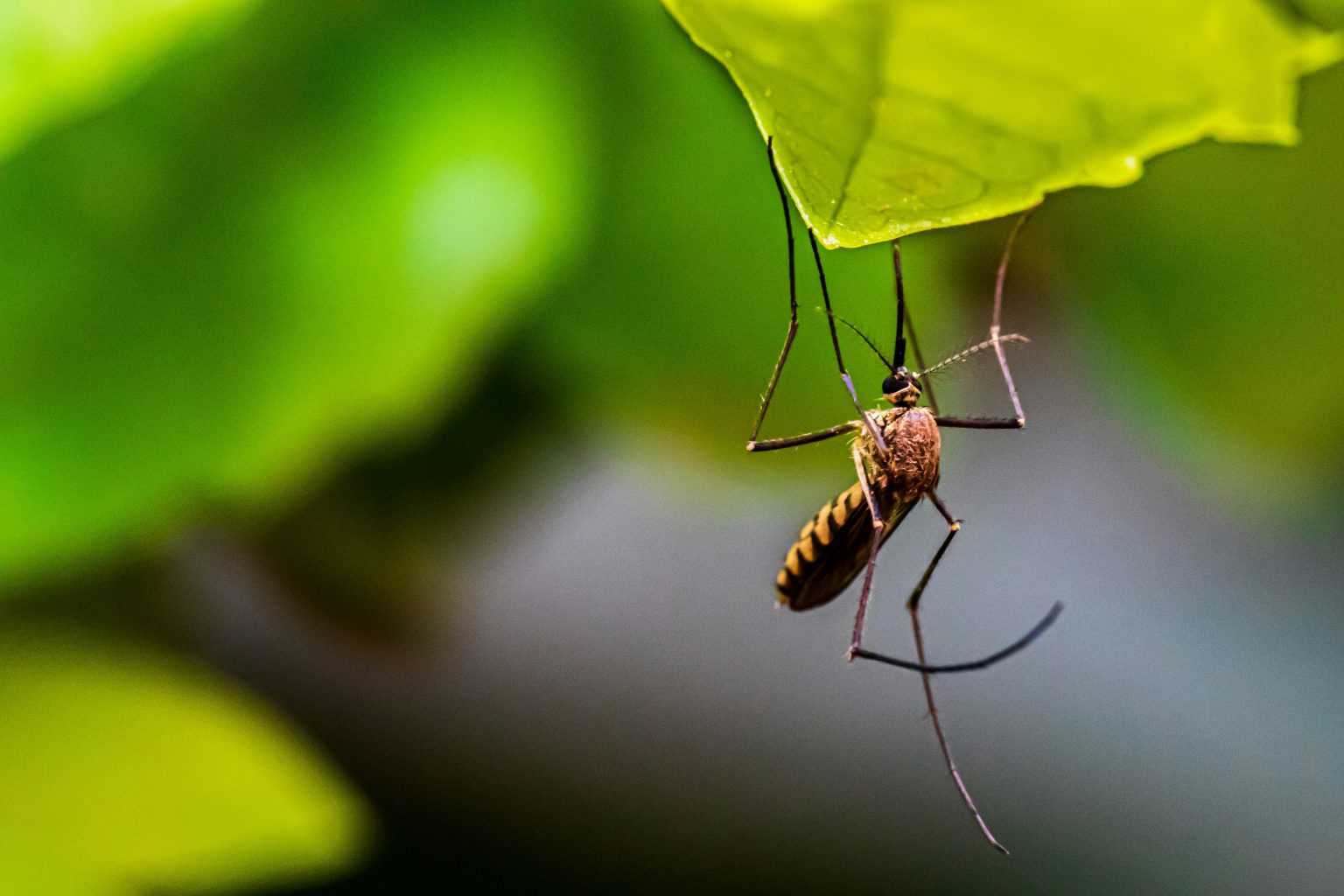

Health authorities in Andalucia have confirmed the region’s first case of West Nile virus this season.
The patient, a man aged between 50 and 60 from Mojacar (Almeria), suffered only a mild illness and has since made a full recovery without lasting effects.
READ MORE: How to protect yourself from West Nile virus in Andalucia
The town is hugely popular with the expat community, especially Brits, although there is no reason for residents to be alarmed at this stage.
The case marks a stark contrast with the situation last year, when by mid-September the region had already registered 114 confirmed infections.
Officials credit the sharp drop to Andalucía’s intensive mosquito surveillance network, early warning systems, and its adoption of the One Health approach – linking human, animal, and environmental health.
A complex diagnosis
The patient first developed symptoms on July 10, including fever but no neurological issues.
Doctors initially suspected other mosquito-borne illnesses before confirming West Nile virus through a highly specific seroneutralisation test carried out at Spain’s National Microbiology Centre.
The diagnosis was prompted by the prior detection of the virus in mosquito traps set up in Mojacar.
According to the regional health department, this underscores the importance of the surveillance system, which allowed protocols to be activated even in cases without classic symptoms.
Tracking the virus across Andalucia
So far this season, 281 human samples have been analysed, with just one positive case.
Meanwhile, the entomological surveillance network has placed 192 mosquito traps across the region, leading to more than 5,400 tests, 24 of which were positive.
Health officials have also confirmed one case of infection in horses, but none in birds. Based on these findings, 109 municipalities remain on ‘high risk’ or ‘alert’ status, including 43 in Sevilla, 16 in Cadiz, and 15 in Huelva.
In Guillena (Sevilla), authorities raised the alert after positive mosquitoes were detected nearby.
Prevention and public awareness
Public health agents have so far carried out more than 2,000 inspections across the region, while nearly 1,300 awareness activities have been rolled out in schools and communities, reaching more than 47,000 people. Pharmacies have also been enlisted to share prevention advice.
The Junta de Andalucia stresses that while West Nile fever remains rare, it can cause serious complications in elderly or immunocompromised patients.
People are advised to avoid mosquito bites, remove stagnant water, and use personal protective measures.
Officials insist that early detection and cross-sector cooperation remain essential to avoiding another outbreak like the one that hit the region in previous years.