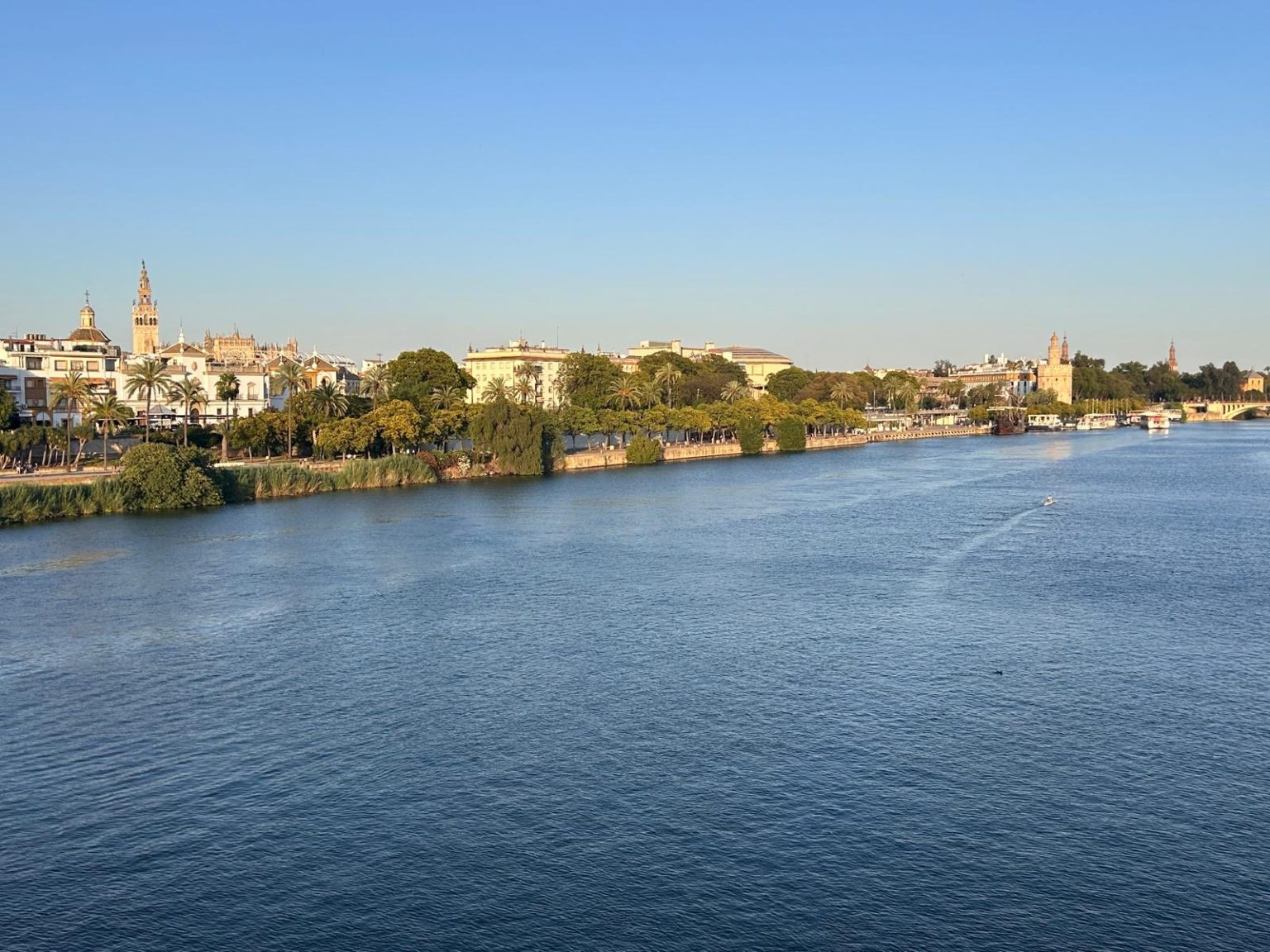

Sevilla is set to undergo one of its most ambitious urban upgrades in decades with the construction of two new bridges across the Guadalquivir River.
The move is part of the newly unveiled Vera Sevilla masterplan – a bold transformation project aimed at reconnecting the city with its riverbanks and preparing it for future growth.
The project, officially presented by Mayor Jose Luis Sanz, marks a significant shift in how the Andalusian capital plans to manage urban mobility, green spaces, and public infrastructure.
Two new crossings to ease congestion
The standout features of the Vera Sevilla plan are two entirely new bridges designed to improve connectivity between the city’s eastern and western districts.
These will be added to the 10 existing crossings over the Guadalquivir, relieving pressure on heavily used routes such as the Puente del Alamillo and Puente de Triana.
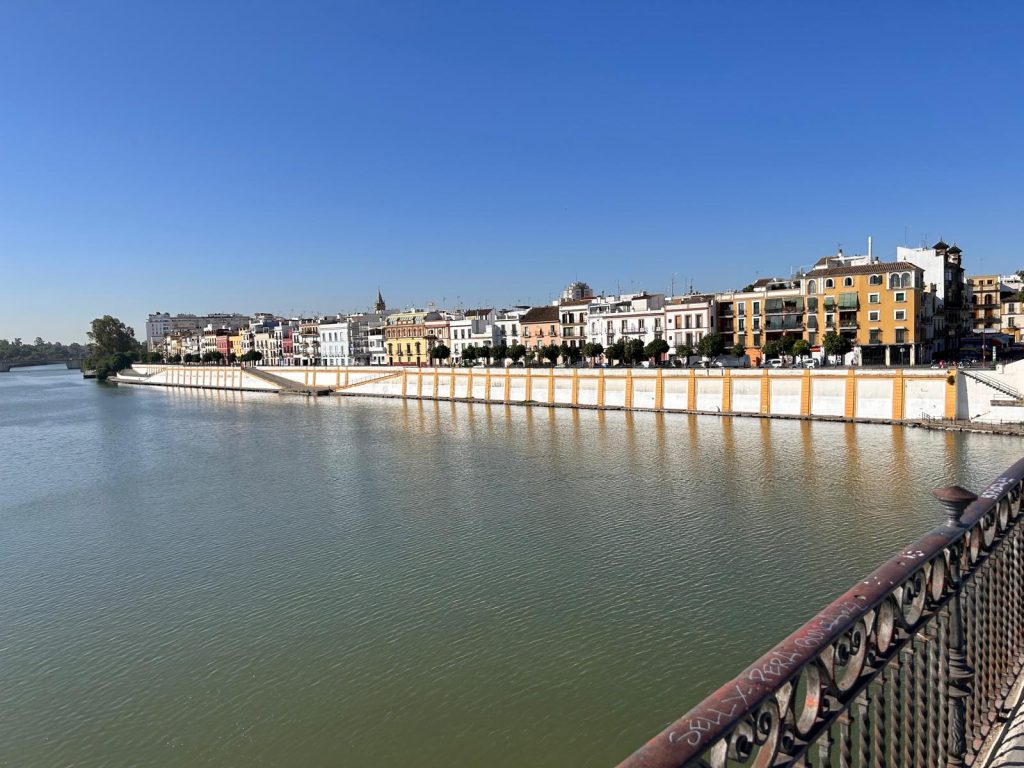
While final locations are still under review, the bridges are expected to support multi-modal transit, including private vehicles, public transport, cyclists and pedestrians.
City officials say they are part of a wider strategy to reduce urban bottlenecks and offer residents more sustainable alternatives to car travel.
Reclaiming the riverfront
Beyond new bridges, Vera Sevilla includes a major regeneration of the riverbanks, with plans to turn underused spaces into green corridors, cultural venues, and public parks.
The goal is to revive the river’s historic role as Sevilla’s social and commercial heart, while improving flood resilience and environmental sustainability.
The renovation includes the integration of existing infrastructure like the Cartuja and Los Remedios zones, and upgrades to ageing pedestrian paths along the river, some of which have long been neglected.
Mobility, housing and urban cohesion
The full plan involves more than just cosmetic upgrades. Vera Sevilla also lays out a broader vision for mobility and liveability, including: Expanded tram and bus lanes, a network of new cycle paths across key districts and the recovery of underutilised land for housing, particularly in areas like Tablada and the old port zones.
EU funds to help project
The project will be phased in over several years, with funding drawn from public-private partnerships, EU urban development grants, and potential investment from the Next Generation EU fund.
The Vera Sevilla initiative arrives as part of the city’s push to position itself as a model for modern southern European urbanism – ‘a blend of heritage, climate resilience, and cutting-edge infrastructure’.
Construction on the first phase is expected to begin in 2026, pending environmental approvals and final engineering designs.
Read more Andalucia news at the Spanish Eye.