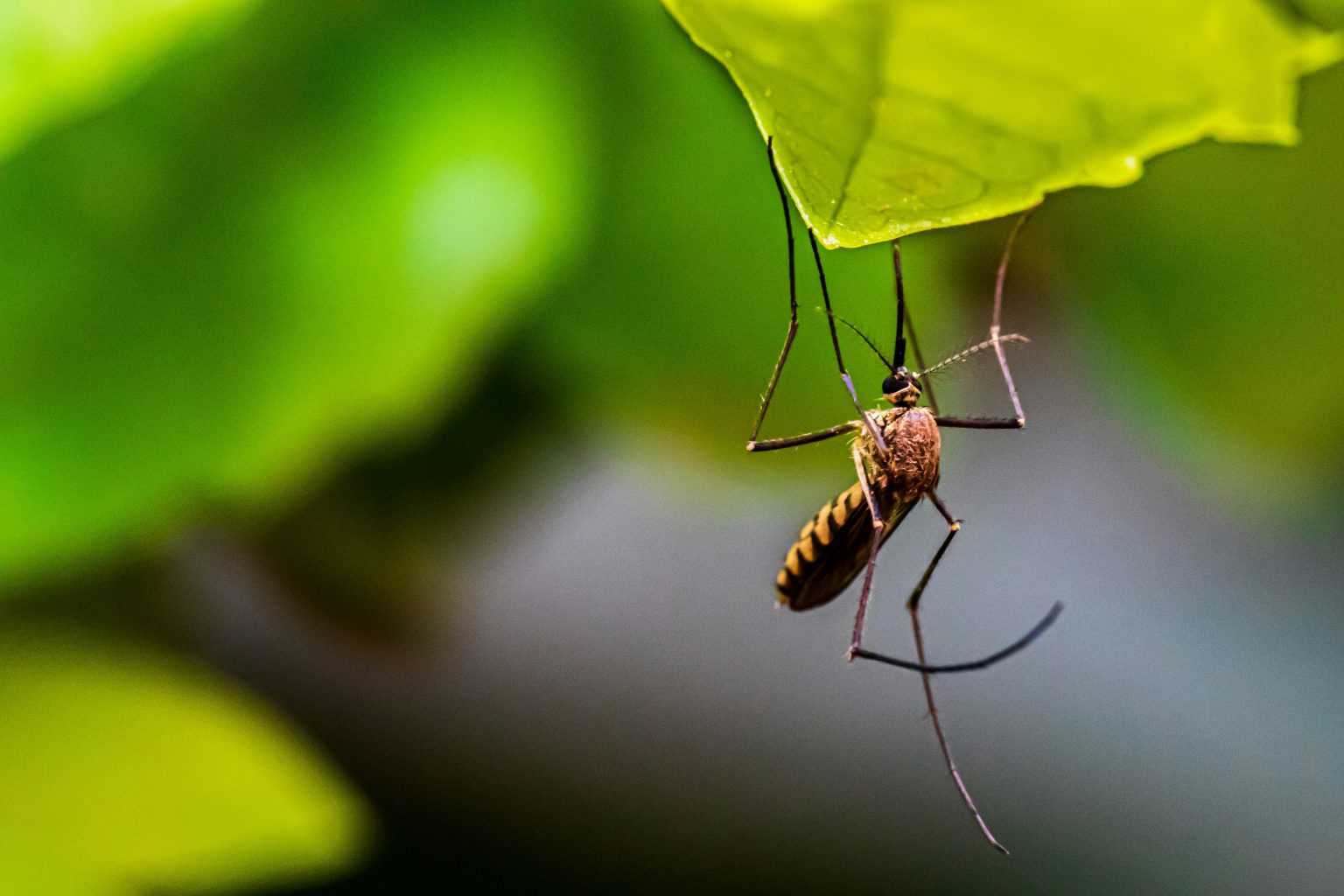

Mosquitoes infected with the West Nile virus have been detected in popular expat areas of Almeria.
The Junta de Andalucia has confirmed the presence of the virus in Culex pipiens mosquitoes captured in traps in Mojacar and Nijar.
They are just two of the latest municipalities in Almeria, along with Zurgena, where the virus has been detected this summer.
On Monday, Health and Consumer Affairs Delegate Juan de la Cruz Belmonte visited both town halls to coordinate a response.
He said pest control treatments have been intensified and assured that the Junta is available to assist councils and pest-control companies with any public health concerns.
‘The key point,’ Belmonte stressed, ‘is that we have detected the presence of these mosquitos before any transmission to humans.’
This early detection, he said, allows preventive measures to be put in place both at municipal and individual levels.
While calling for vigilance, Belmonte urged calm, noting that 80% of bites from mosquitoes carrying WNV cause no symptoms.
Around 19% of cases result in mild, flu-like symptoms lasting two to five days, and fewer than 1% develop serious complications.
How to avoid mosquito bites, according to the Junta
- Use repellents containing DEET or picaridin.
- Wear long sleeves and light-coloured trousers, especially in the evening and at dusk.
- Install mosquito nets on windows, doors, and beds – preferably treated with insecticides.
- Eliminate stagnant water from pots, buckets, pet bowls, tires, unused pools and other breeding sites.
- Keep pools and ornamental fountains clean and chlorinated.
- Repair or install screens on windows and doors.
- Reduce outdoor exposure for immunocompromised, elderly, or pregnant people during peak mosquito activity (dawn and dusk).
- Protect horses during periods of high mosquito activity.
- Participate in municipal fumigation and larval control campaigns.
West Nile virus is transmitted to humans primarily through mosquito bites, and while severe illness is rare, public health officials stress that prevention remains the most effective protection.
Read more Andalucia news at the Spanish Eye.