
Just north of Cadiz city lies one of Andalucia’s most overlooked coastal towns.
It’s a sun-soaked destination with golden beaches, deep history and a story that stretches back more than 3,000 years.
El Puerto de Santa Maria is today a laid-back seaside hotspot. But according to legend, its origins are anything but ordinary.
A king, a war and a lost throne
The story begins with Menesteo, a king of ancient Athens who fought in the Trojan War and was said to have been among the warriors hidden inside the famous wooden horse.
After the fall of Troy, legend says Menesteo returned home, only to find his throne had been taken.
Forced back to sea, he eventually landed at the mouth of the Guadalete river, where he founded a new settlement: Puerto de Menesteo.
Thousands of years later, that settlement is now El Puerto de Santa María.
16km of beaches and Atlantic views
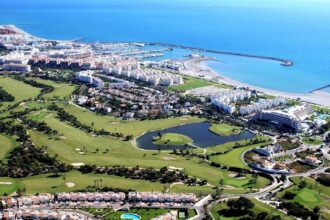
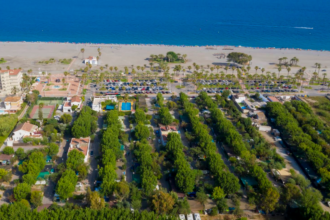
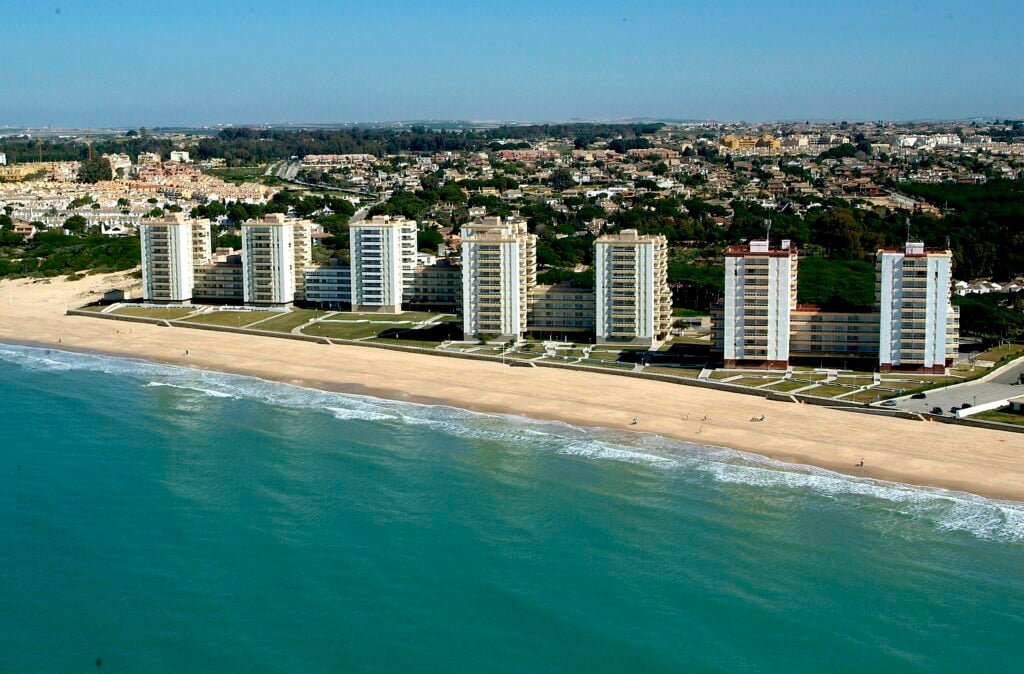
Today, the town is best known for its coastline.
With more than 16 kilometres of beaches, it offers everything from dramatic cliff-backed coves to wide, family-friendly stretches of sand.
Playa de la Muralla stands out for its historic backdrop, while Valdelagrana is a hotspot for water sports and beach bars.
Nearby, the Parque Natural Bahía de Cadiz adds another layer, with protected landscapes and calm waters.
Nature beyond the beach
Just outside the town, the Parque Metropolitano de Los Toruños offers cycling routes, walking trails and even a small tourist train through marshland and pine forests.
Further afield, wetlands such as the Salina de la Tapa – first developed by the Phoenicians – are now rich ecosystems where flamingos and ospreys are regularly spotted.
The ‘city of 100 palaces’
Back in the historic centre, El Puerto reveals another side.
Known as the ‘city of 100 palaces’, it is dotted with grand merchant houses built between the 16th and 18th centuries by traders who made their fortunes in the Americas.
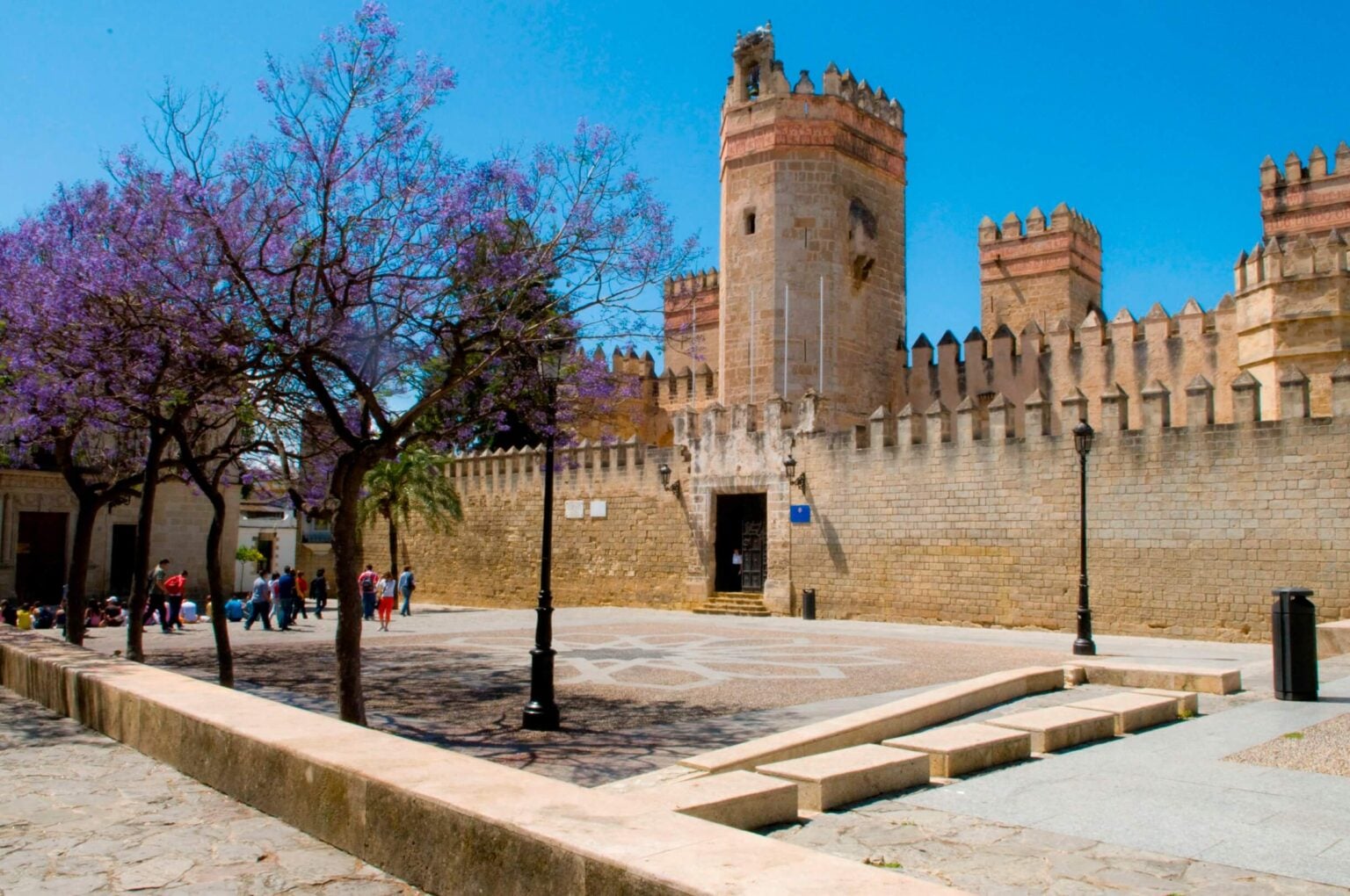
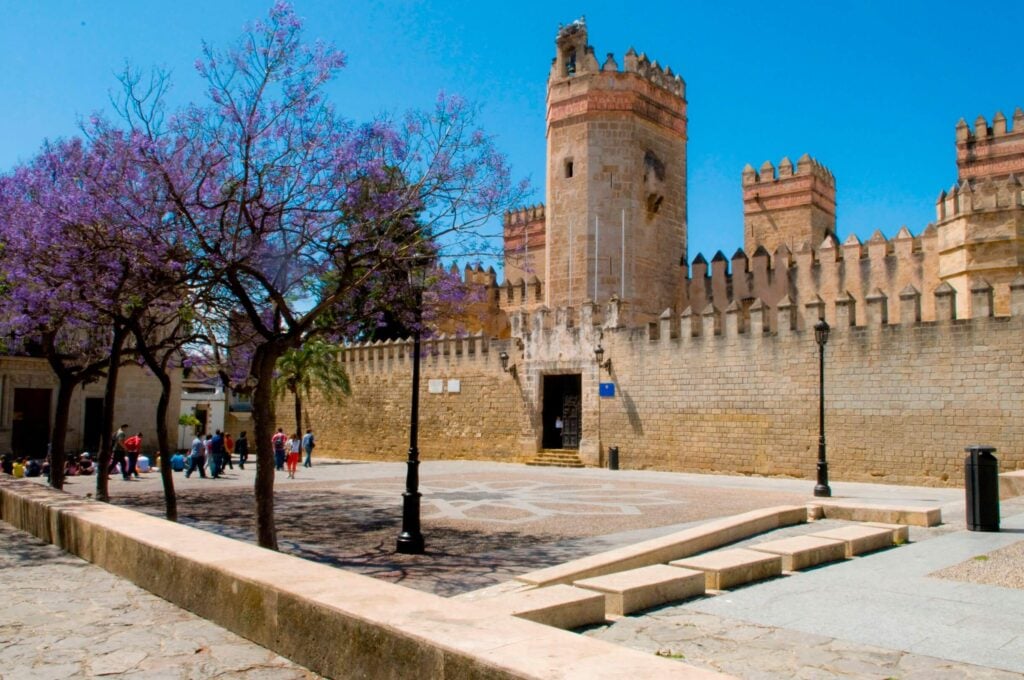
These buildings, alongside landmarks like the Castillo de San Marcos, give the town a distinctive character that is part Andalucian, part colonial, and deeply rooted in Spain’s maritime past.
Layers of history
From Phoenician remains at Doña Blanca to medieval fortresses and Baroque churches, the town offers a timeline of Andalucia in miniature.
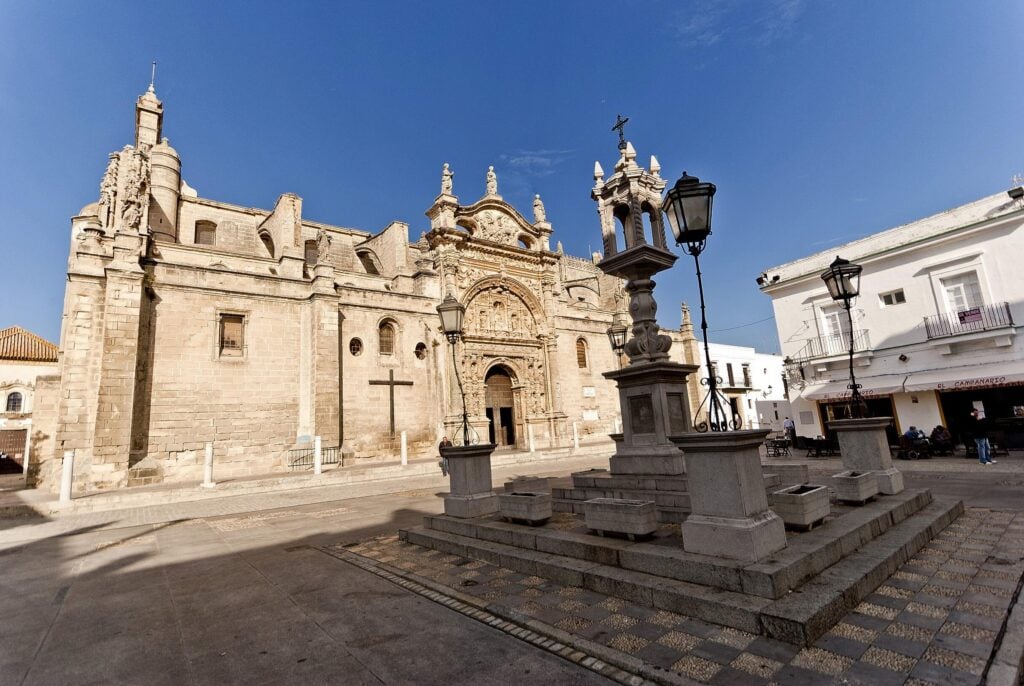
One of its most important religious sites is the Basílica de Nuestra Señora de los Milagros, a striking late Gothic church that dominates the skyline.
Why go now?
Despite its history, beaches and location, El Puerto de Santa María often flies under the radar compared to nearby Cadiz or Jerez.
It’s a place where you can spend the morning exploring centuries of history, the afternoon on a quiet Atlantic beach – and the evening in a buzzing tapas bar, surrounded mostly by locals.
For those looking to escape the crowds without missing out, this might just be one of Andalucía’s best-kept secrets.
Read more Andalucia news at the Spanish Eye.