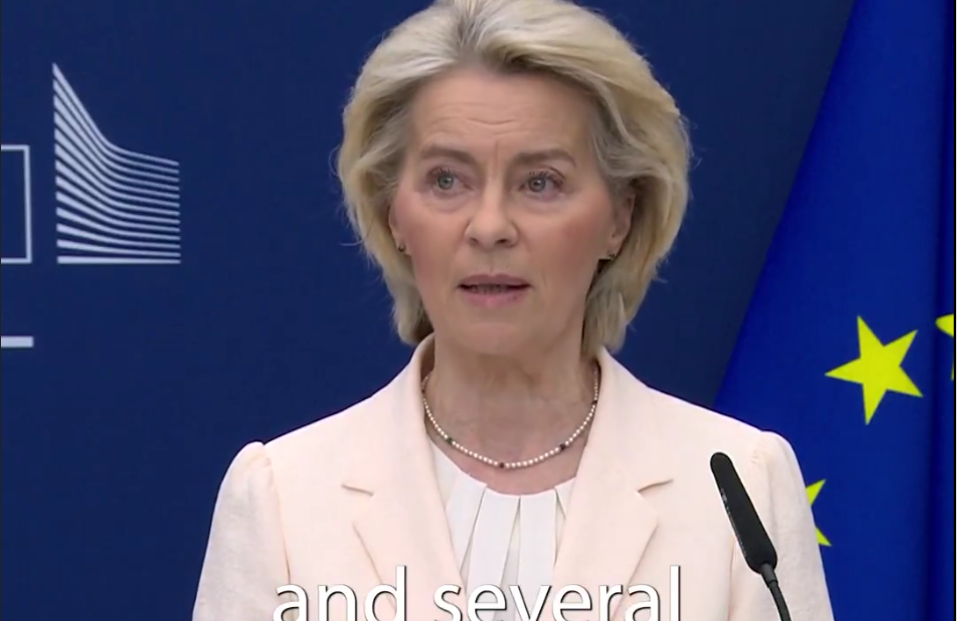

Brussels has warned all member states to prepare for a prolonged disruption to energy supplies as tensions in the Middle East continue to shake global markets.
The European Commission has urged all 27 members, including Spain, to act together to guarantee the supply of oil and refined fuels, amid growing instability following the conflict involving Iran.
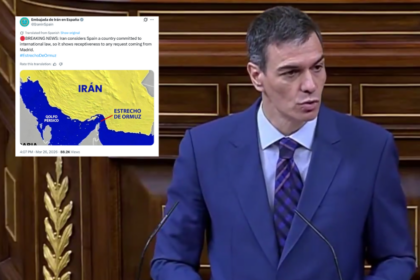
At the heart of the concern is the closure of the Strait of Hormuz, the crucial maritime route through which around 20% of the world’s oil supply passes.
EU Energy Commissioner Dan Jørgensen warned the situation is placing ‘significant pressure’ on global oil and gas markets.
While he stressed that Europe’s supply remains ‘contained for now’ thanks to diversified imports, he cautioned that rising global competition for fuel could trigger further price volatility and instability.
Spain is safer but not immune
The EU insists it is in a ‘relatively strong position’, with strategic reserves and contingency plans already in place.
However, Brussels highlighted Europe’s reliance on the Gulf region for refined fuels like diesel and aviation fuel, warning that alternative supply and refining capacity remain limited.
That could have knock-on effects in countries like Spain, especially during the high-demand summer months.
Could daily life be affected?
While there is no immediate suggestion of shortages, Brussels is already quietly preparing for scenarios that could impact everyday life.
Among the measures being discussed are:
– Encouraging remote working
– Promoting public transport over private cars
– Reducing speed limits to cut fuel use
– Limiting unnecessary flights
– Encouraging car sharing in cities
These recommendations, aligned with guidance from the International Energy Agency, are designed to reduce demand before shortages emerge.
Fuel, flights and summer pressure
Particular concern centres on diesel supply (critical for transport and logistics), jet fuel (key during peak tourist season) and refinery capacity across Europe.
Brussels has even suggested delaying non-essential refinery maintenance to keep fuel production stable.
A delicate balancing act
EU officials are also wary of triggering panic. Countries have been warned not to take unilateral measures that could worsen the situation, such as restricting fuel exports or distorting the internal market.
Instead, the focus is on coordination, shared reserves, and calming markets before volatility spirals.
For now, there is no sign of fuel rationing or supply cuts in Spain.
However, Europe is entering a period of energy uncertainty, and governments are being warned that they must be ready if the situation escalates.
Read more Andalucia news at the Spanish Eye.