
The war sparked by the US and Israel’s strike on Iran is already hitting Andalucía’s economy, business leaders have warned.
The conflict has crippled the Strait of Hormuz, through which around 20% of the world’s oil flows, triggering a surge in energy prices, fertilisers and transport costs.
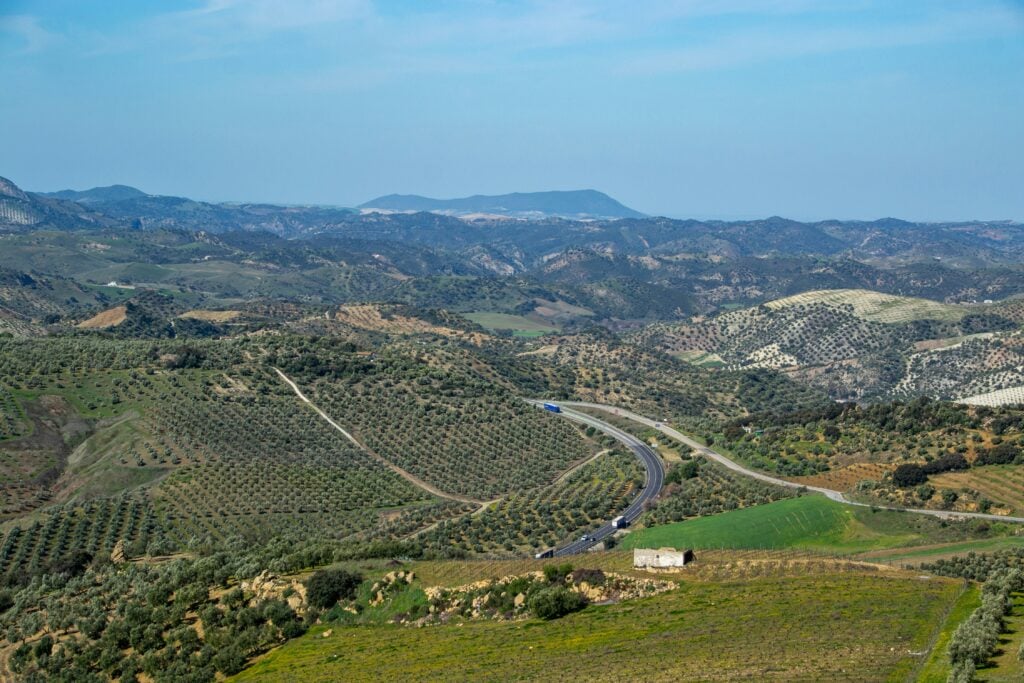
These are now beginning to filter through every layer of the economy in Andalucia, famed for its agricultural industry that has made it one of the main greenhouses of Europe.
‘There is growing concern over the impact this escalation is having on the competitiveness of Andalucía’s business fabric,’ said Luis Fernandez-Palacios of the Confederacion de Empresarios de Andalucia, speaking to El Conciso.
Higher energy costs are driving up production and logistics expenses, while geopolitical instability is tightening access to financing – hitting SMEs particularly hard.
Inflation, now sitting at 3.3%, is also eating into household spending power, weakening demand in key sectors like hospitality, food and services.
But the one vital sector that stands out as especially vulnerable is agriculture, where farmers are facing a perfect storm.
Fuel and fertilisers – both heavily reliant on global supply chains tied to the Middle East – have surged in price just as the sector was already reeling from months of extreme weather.
According to farming group COAG, the increase in these costs has already added at least €36 million to the burden on Andalucia’s agricultural sector.
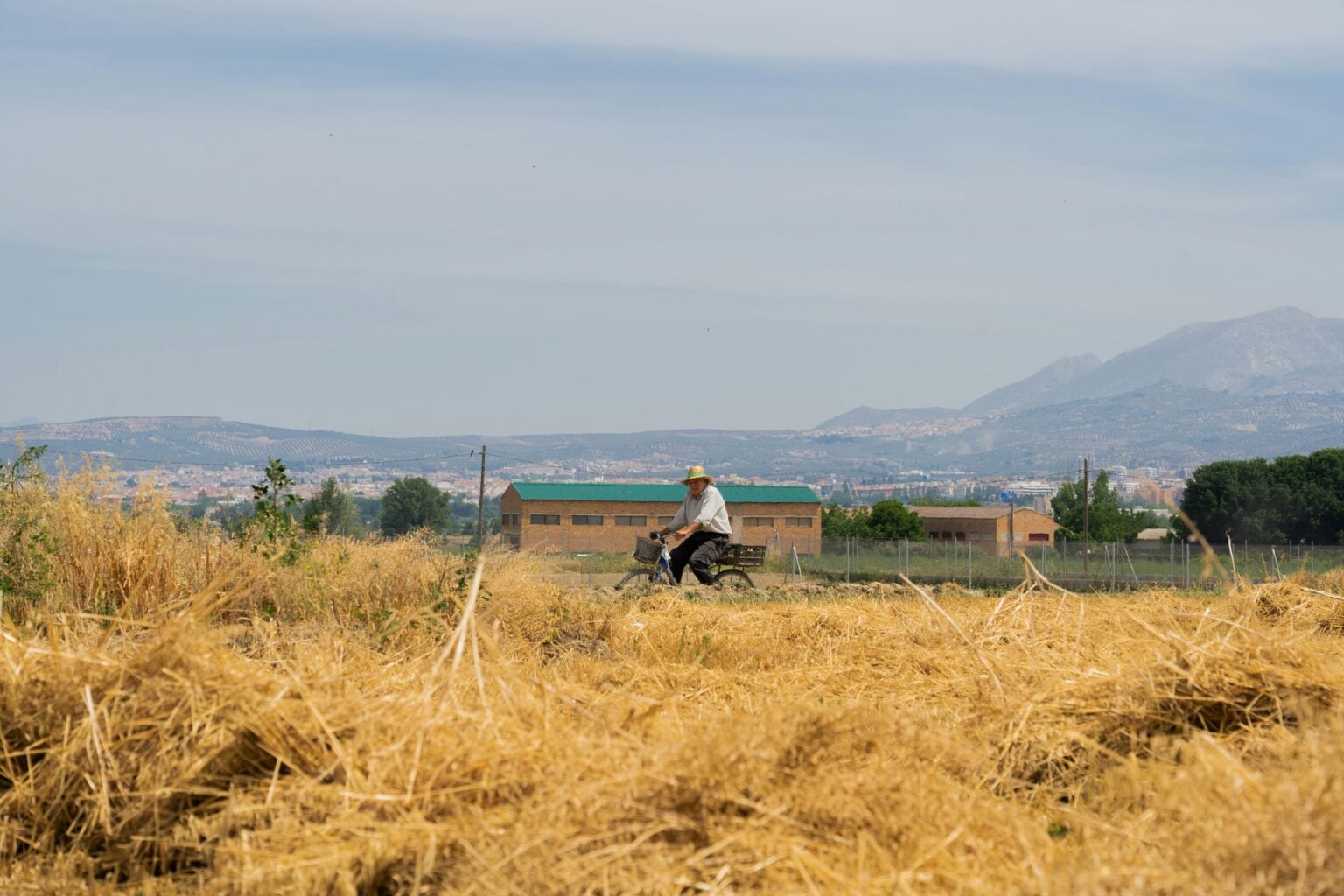
‘This is not a normal year,’ warned COAG’s regional leader Juan Luis Avila, describing what many farmers are now calling a ’24-month year’ – with some expected to go up to 18 months without income after losing entire crops to storms and flooding.
The pressure is coming from the fact that costs are rising across every stage of production.
From irrigation and electricity to transport, storage and packaging, the entire agri-food chain is being squeezed, while farmers are also having to repair storm damage to infrastructure such as greenhouses and irrigation systems.
Meanwhile, global trade disruptions are adding further pressure.
Shipping costs have jumped sharply, with freight prices between Asia and Europe rising by more than 20% in the first month of the conflict.
Routes remain uncertain, and exporters are bracing for further disruption.
The Port of Algeciras – a key gateway for trade with the Middle East – is already preparing for potential shifts in global shipping routes, having previously adapted during the Red Sea crisis.
More than 400 companies regularly trade with Andalucia, exporting goods worth nearly €1 billion annually- including olive oil, copper and processed foods. Any prolonged disruption could hit those flows hard.
Elswhere, the construction sector is also raising the alarm.
Rising material costs – particularly for fuel-based products like bitumen – are pushing projects towards unviability, with companies warning they may be forced to abandon contracts or operate at a loss unless prices are revised.
Economic forecasts are already being revised, but business leaders warn they could quickly become outdated if the conflict drags on.
For now, there have been no supply interruptions, but that offers little comfort due to the ongoing uncertainty.
Read more Andalucia news at the Spanish Eye.