
In the end, Noelia Castillo got the death she had fought for, but perhaps not quite the one she had imagined.
The 25-year-old paraplegic died on Thursday evening at a hospital near Barcelona after a legal battle that stretched nearly two years and climbed all the way to Europe’s highest human rights court.
Her request had been clear throughout: she wanted a calm, dignified goodbye.
Instead, her final hours unfolded against a backdrop of noise, protest and intense media scrutiny.
Inside her room at Hospital Residencia Sant Camil, the atmosphere was controlled and deeply personal.
The euthanasia procedure began at around 6pm, with doctors administering sedation followed by medication to stop her breathing, which is standard protocol designed to ensure a painless death while asleep.
Beforehand, she spent time with her mother, Yolanda Ramos. When the moment came, she chose to be alone.
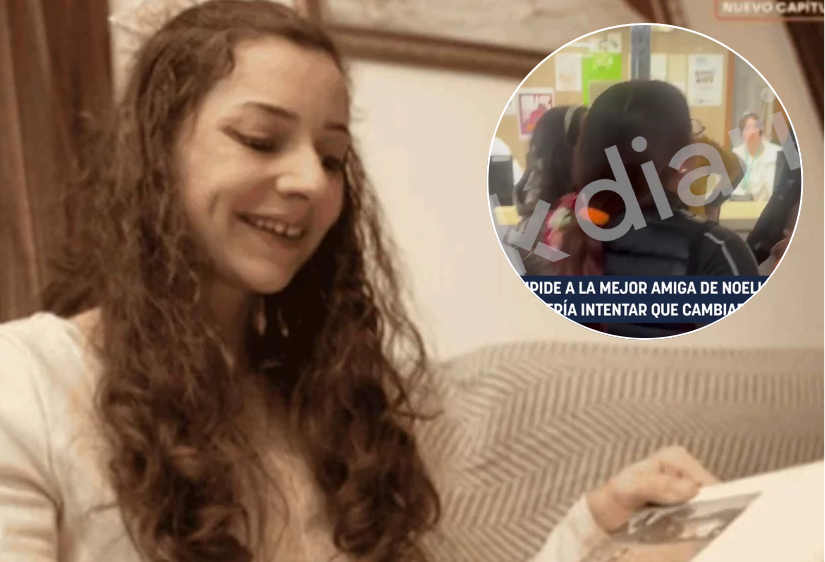
The only things she kept with her were four childhood photographs, carefully selected reminders of happier moments.
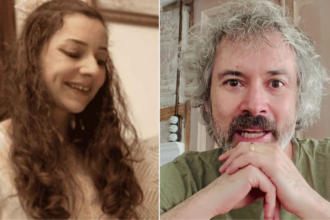
Her father, Geronimo Castillo, was not among those present.
He had spent months trying to block the euthanasia through legal appeals, supported by the Catholic legal group Abogados Cristianos. Even on the day itself, that opposition had not disappeared.
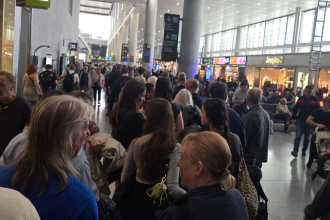
Outside the hospital, members of the organisation gathered alongside anti-euthanasia activists, journalists and onlookers. Some were still hoping, even at the last moment, that she might change her mind.
The result was a charged and, at times, chaotic scene just metres from where Noelia was preparing to die.
One friend, who had not seen her in some time, broke down in tears and shouted after being prevented from saying goodbye.
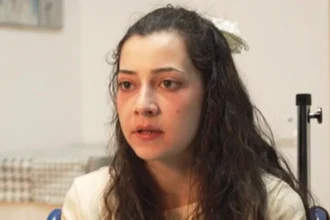
In her final interview, Noelia had spoken with disarming honesty about how she wanted to face death – dressed up, composed and on her own terms.
After years of legal wrangling across Spain’s courts – and a final failed attempt to stop the process at the European Court of Human Rights – she was ultimately granted that right.