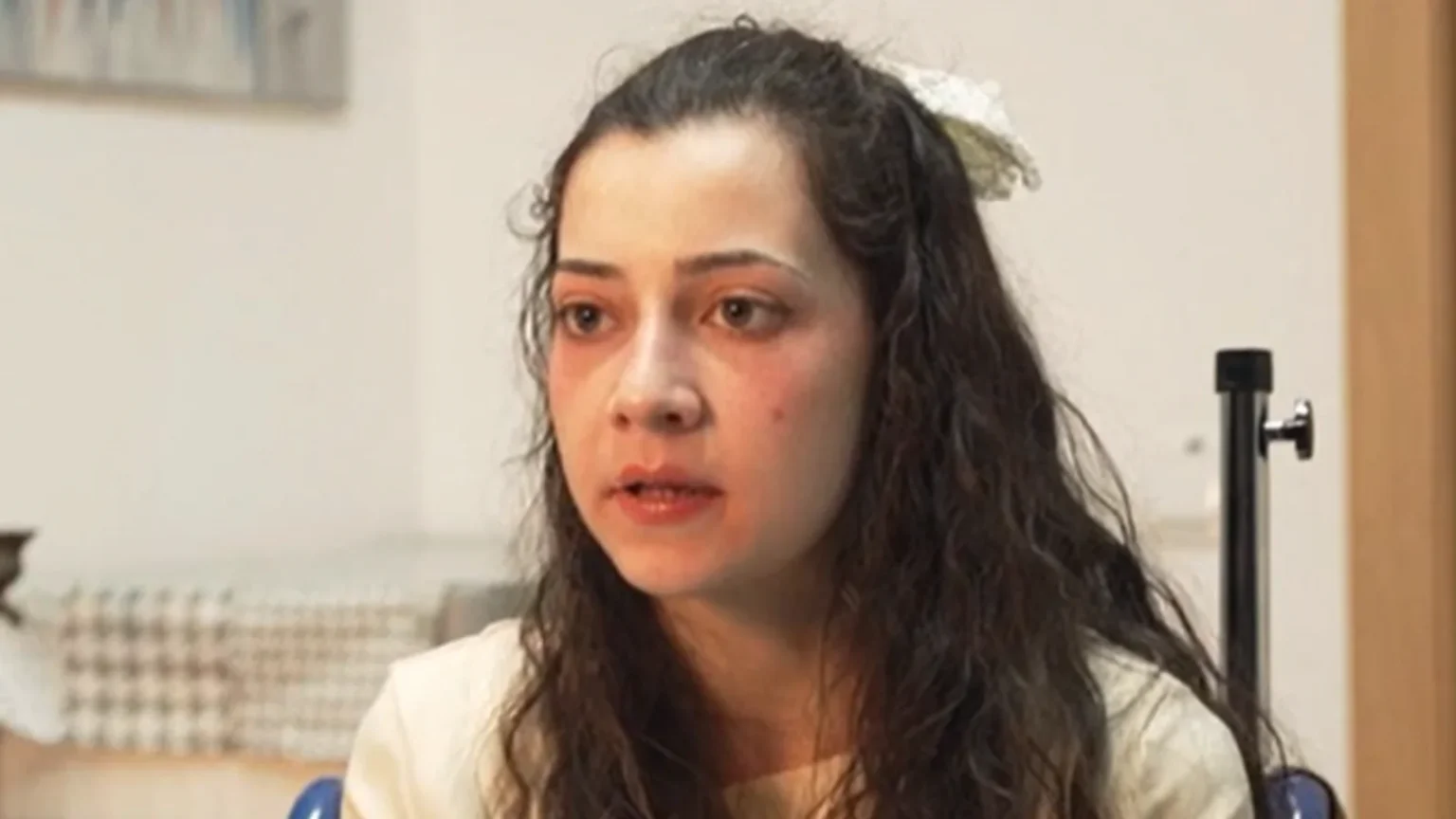
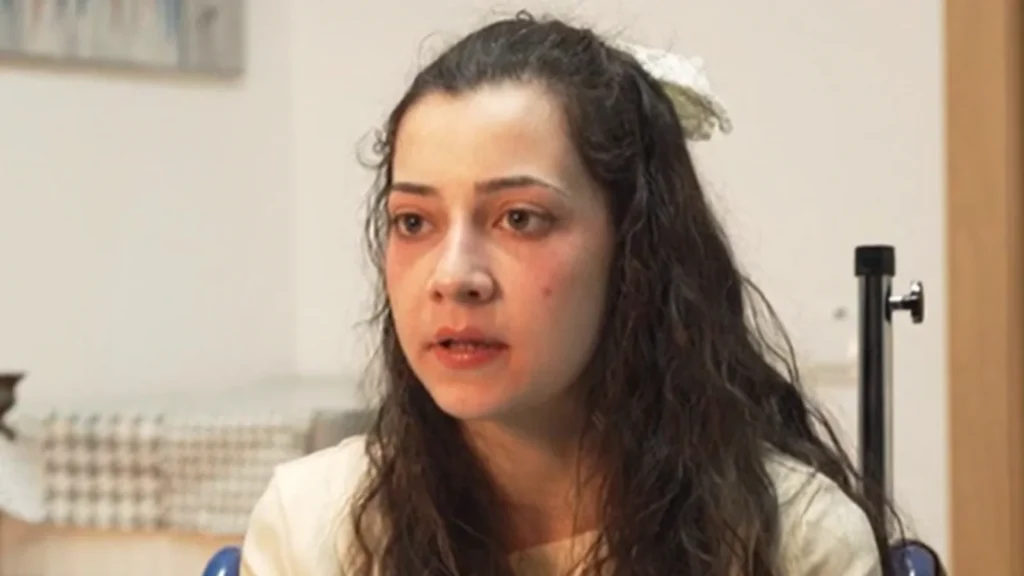
Noelia Castillo has died by euthanasia in Spain after a prolonged legal battle.
The 25-year-old from Barcelona was left paraplegic after jumping from the fifth floor of a balcony in 2022 in a suicide attempt.
It followed a series of sexual assaults, including a gang rape by three men in a nightclub.
Her death, carried out on March 26 at 6pm with full legal backing, has reignited debate in Spain – not only over assisted dying, but also over misinformation that spread rapidly in the final hours of her life.
Final hours marked by online backlash
In the hours before the procedure, Castillo appeared in a televised interview on Y ahora Sonsoles, prompting a wave of reaction across social media.
Many messages urged her to reconsider, including a public appeal by famed British pianist James Rhodes, who offered to pay her medical bills going forward.
But alongside those appeals, false claims also spread – particularly from far-right accounts – misrepresenting both her story and the circumstances that led to her condition.
False claims about ‘migrant gang’ debunked
One of the most widely circulated claims alleged that Castillo had been raped by a group of undocumented migrant minors while in state care, and that this assault triggered her suicide attempt and eventual euthanasia request.
There is no evidence this ever happened.
According to her own account, Castillo described three separate incidents of sexual violence. One involved abuse by a former partner.
Another occurred in a nightclub, where two men attempted to assault her. The third – and most serious -also took place in a nightclub, where she said she was attacked by three men just days before she jumped from a fifth-floor balcony on October 4, 2022.
Authorities in Catalonia have confirmed that no sexual assault was recorded during the years she spent in residential care as a minor.
Despite this, the false narrative gained traction online and was amplified by political figures, including the leader of hard right party Vox (Santiago Abascal), fuelling a misleading version of events.
Not euthanasia ‘for depression’
Another widely shared claim suggested Castillo would become the first person in Spain to receive euthanasia solely for depression.
That is also incorrect. Medical reports confirm she had long-standing mental health conditions, including symptoms of depression, anxiety, obsessive-compulsive disorder and borderline personality disorder.
However, specialists consistently concluded that she retained full decision-making capacity.
Her euthanasia request was granted on physical grounds.
After her fall, Castillo was left with a complete spinal cord injury at the L3 level, causing permanent paraplegia, chronic neuropathic pain, incontinence, and severe loss of autonomy. She required a wheelchair for mobility and ongoing medical interventions.
Doctors described her condition as irreversible, with constant physical and psychological suffering.
Spain’s euthanasia oversight body approved her request in July 2024, concluding that she met the legal criteria of ‘serious, chronic suffering’ with no prospect of recovery.
That decision was upheld repeatedly in court, including by the Constitutional Court and, ultimately, the European Court of Human Rights.
A contested decision
Castillo’s father fought the decision for nearly two years, arguing that his daughter was not in a condition to choose death. Courts rejected those claims, ruling that, as an adult with confirmed mental capacity, the decision was hers alone.
In her final public statements, Castillo insisted she did not want her case to be seen as a model for others.
‘I don’t want to be an example for anyone,’ she said. ‘This is my life, nothing more.’
She also spoke openly about the pain she had endured since her injury.
‘Every day is horrible and painful,’ she said during court proceedings. ‘I just want to go in peace and stop suffering.’.